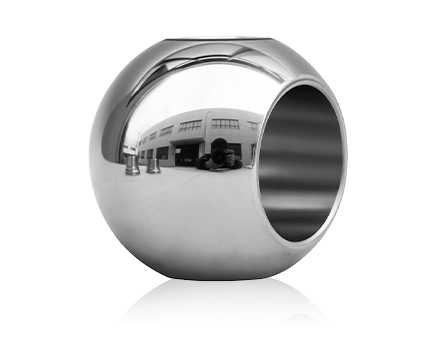
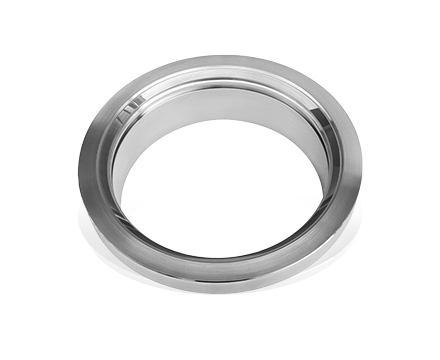
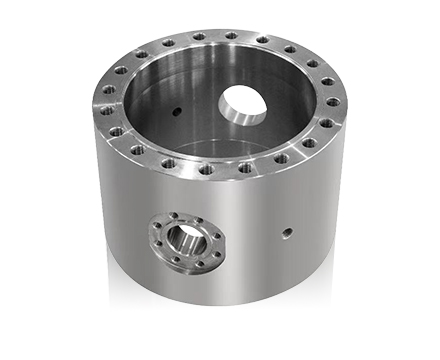
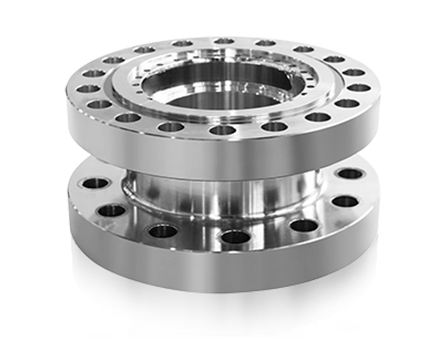
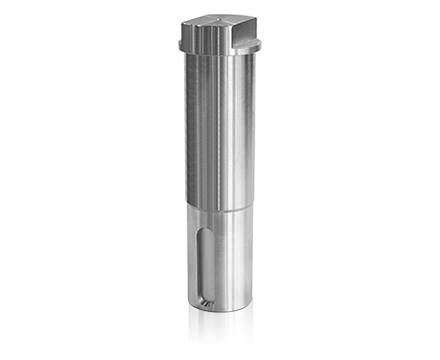
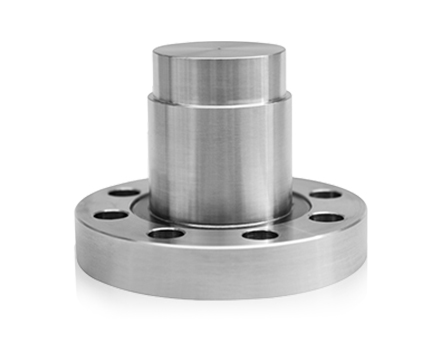
In today’s industrial valve market, buyers are no longer satisfied with complete valves alone—they are paying closer attention to every internal component that determines long-term performance. As a professional manufacturer, we see growing global interest in the role of Ball Valve Bonnet design and material selection during early-stage valve procurement, especially for projects that prioritize operational stability, safety, and lifecycle efficiency.
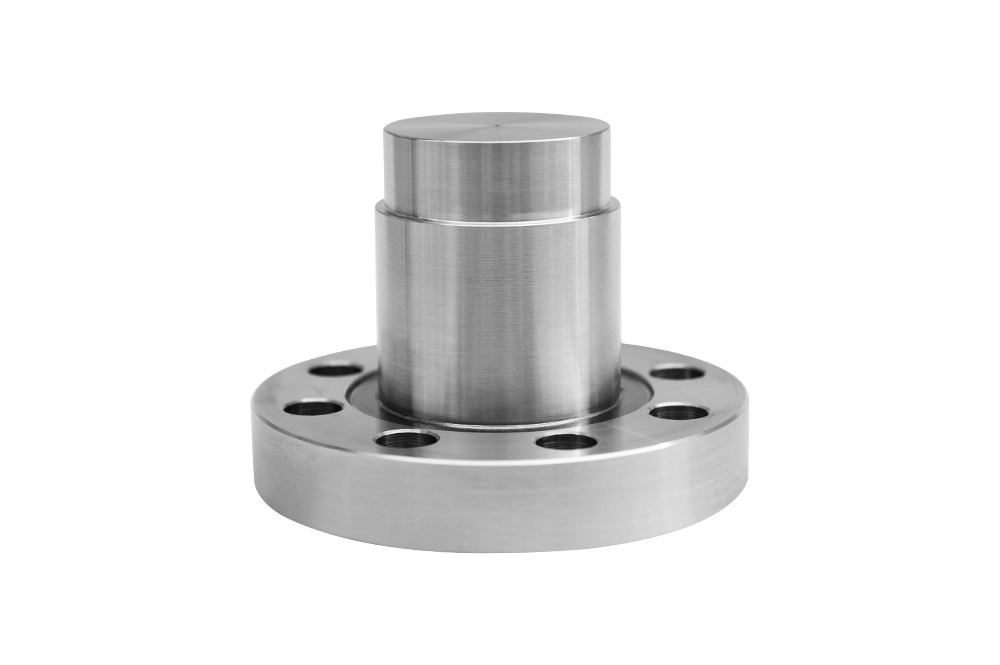
The Ball Valve Bonnet as a Structural and Functional Core
The bonnet is far more than a simple cover. In real-world applications, it serves as a pressure-bearing component, a sealing interface, and a critical connector between the valve body and internal moving parts. Poor bonnet performance can directly affect leakage risk, maintenance frequency, and system downtime.
From a manufacturing standpoint, modern ball valve bonnets are increasingly engineered to balance strength, adaptability, and ease of assembly. Customers are paying closer attention to how bonnet structures handle thermal expansion, vibration, and repeated operation—factors that are frequently discussed across engineering forums and professional social platforms.
How End Users Are Rethinking Ball Valve Accessories
Beyond the bonnet itself, demand for well-matched accessories has grown steadily. Engineers and procurement teams are discussing how compatible accessories can simplify installation and extend service life across various industries, including oil & gas, chemical processing, and general industrial pipelines.
Rather than sourcing accessories separately, buyers now prefer integrated solutions that reduce mismatches and uncertainty. This shift reflects a broader trend toward system-level thinking rather than isolated component selection.
Practical Scenarios Where Accessories Add Real Value
From our manufacturing experience, accessories are no longer optional add-ons; they directly influence usability and reliability. Common application-driven considerations include:
- Ensuring smoother operation under frequent open–close cycles
- Supporting stable sealing performance in fluctuating temperatures
- Allowing easier maintenance without full valve replacement
- Improving compatibility with automation and actuation systems
These concerns frequently appear in online technical discussions, where professionals share real installation and operation feedback rather than focusing solely on catalog specifications.
Manufacturing Precision Behind Reliable Valve Components
As a dedicated manufacturer, we emphasize process consistency from raw material selection to final inspection. Precision machining, controlled tolerances, and surface treatment all play a role in how a bonnet interacts with seals, stems, and accessories.
Unlike trading-based supply chains, in-house manufacturing allows us to adapt designs according to application needs, regional standards, and long-term operational feedback. This flexibility is becoming a key decision factor for overseas buyers seeking dependable supply partners instead of short-term sourcing options.
Customization Is Becoming a Global Expectation
Customization discussions are increasingly visible across global B2B platforms. Buyers are not just asking “Do you have this part?” but “Can this component be adjusted to fit our working conditions?” Bonnet thickness, connection style, and accessory compatibility are now part of early communication rather than late-stage revisions.
This trend reinforces the importance of working directly with manufacturers who understand both design intent and application realities.
Long-Term Value Over Short-Term Cost
Another topic frequently shared on social channels is total cost of ownership. Users are more aware that a well-designed bonnet and properly matched accessories can reduce unexpected shutdowns, simplify servicing, and improve overall system confidence.
By focusing on component-level quality, end users gain more predictable performance without needing frequent system overhauls.
A Manufacturer’s Perspective on Integrated Valve Solutions
From our position in the production chain, we believe the future of valve sourcing lies in collaboration—where manufacturers support customers not just with products, but with technical understanding and adaptable solutions. This approach helps buyers navigate complex operating environments while maintaining consistency across projects.
As a factory specializing in precision valve components, we continue to refine both Ball Valve Accessories compatibility and structural optimization, ensuring that every Ball Valve Bonnet we produce contributes to safer, more reliable valve systems worldwide.

 English
 中文简体
中文简体
 русский
 Español
 عربى
عربى
 italiano