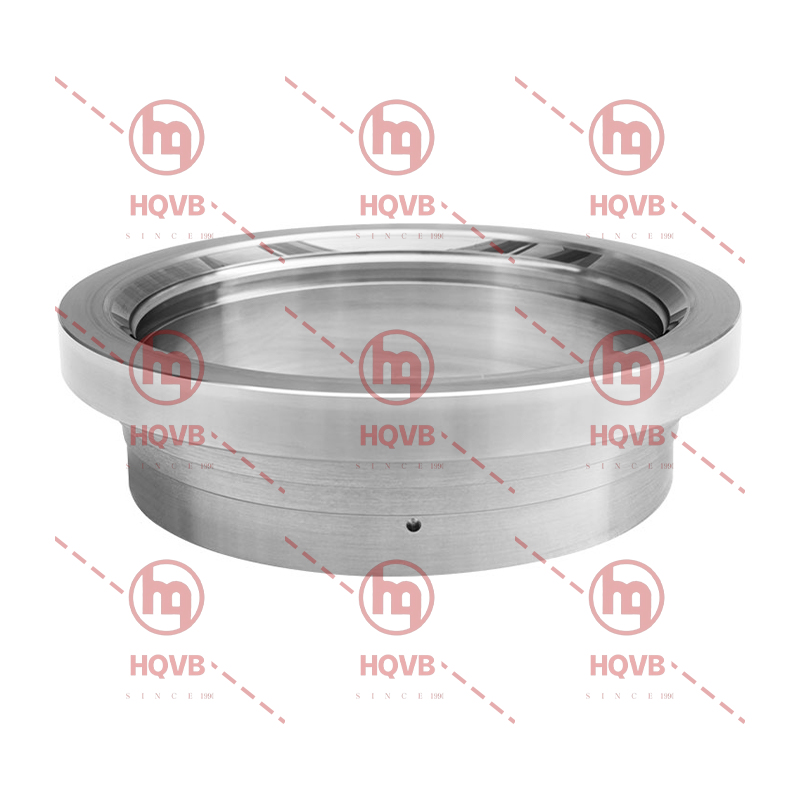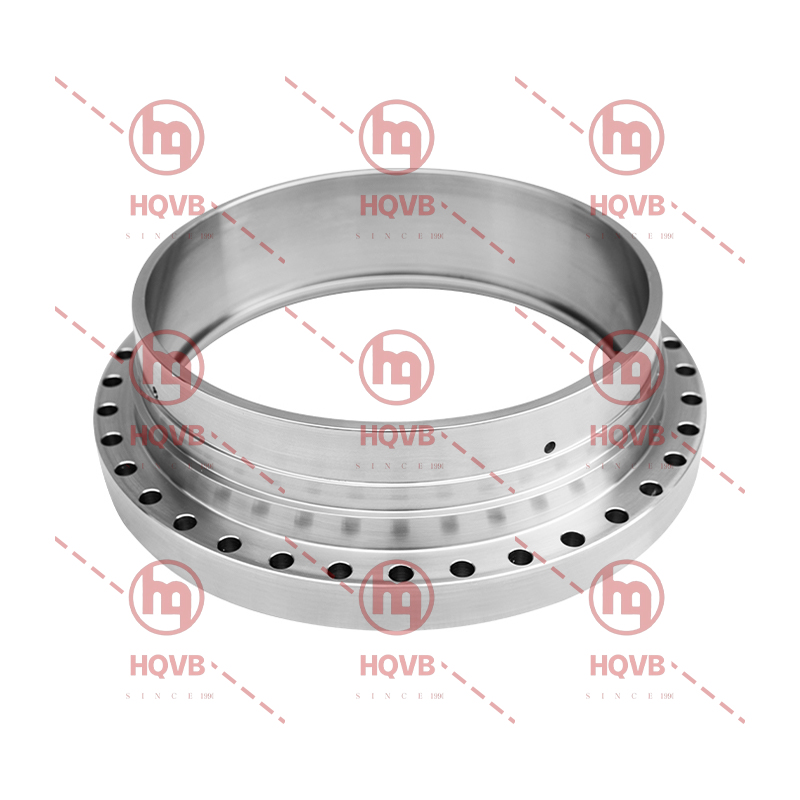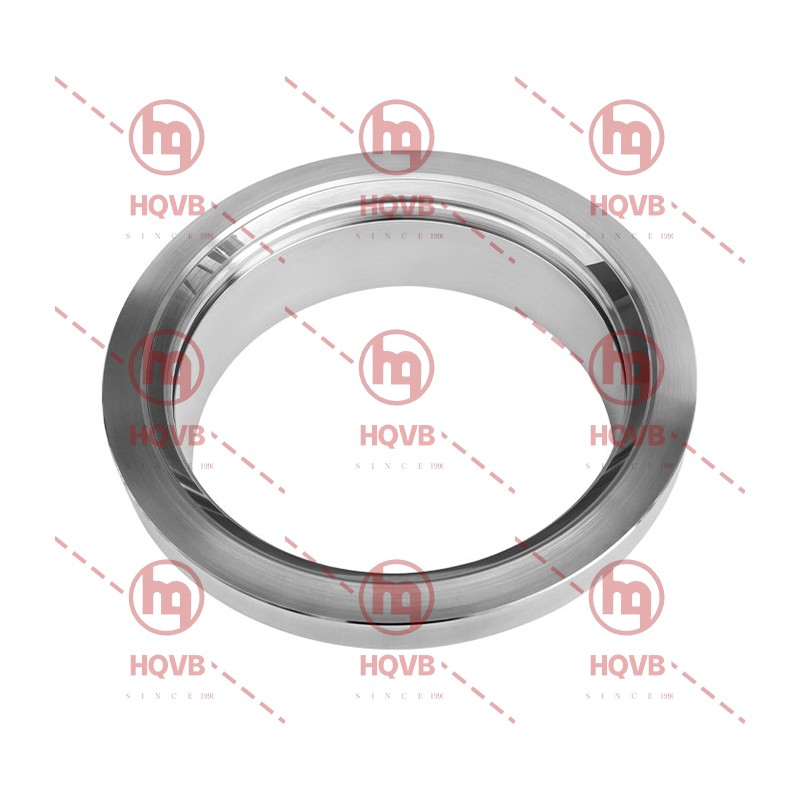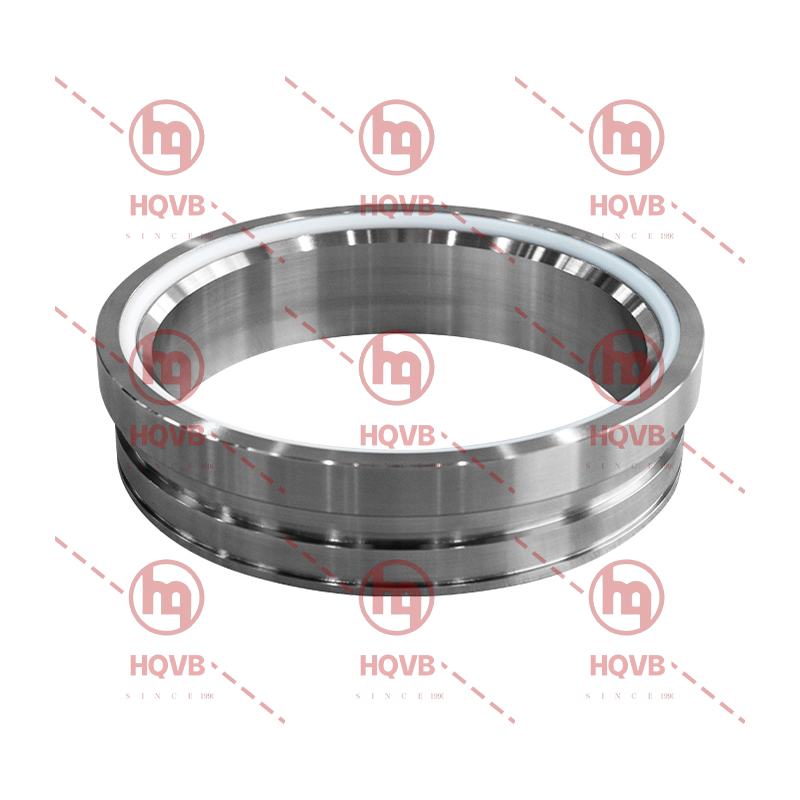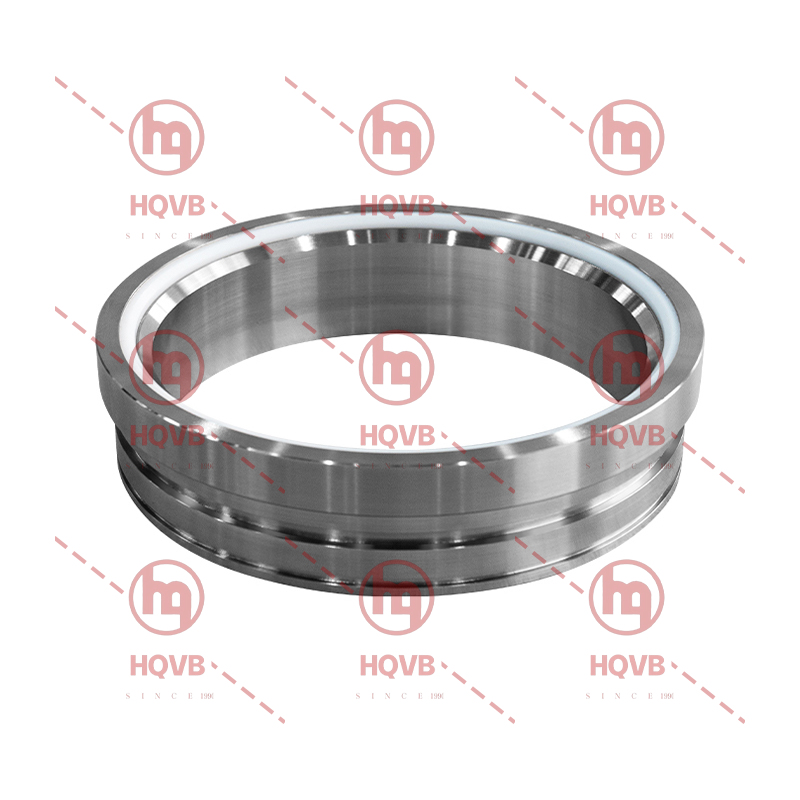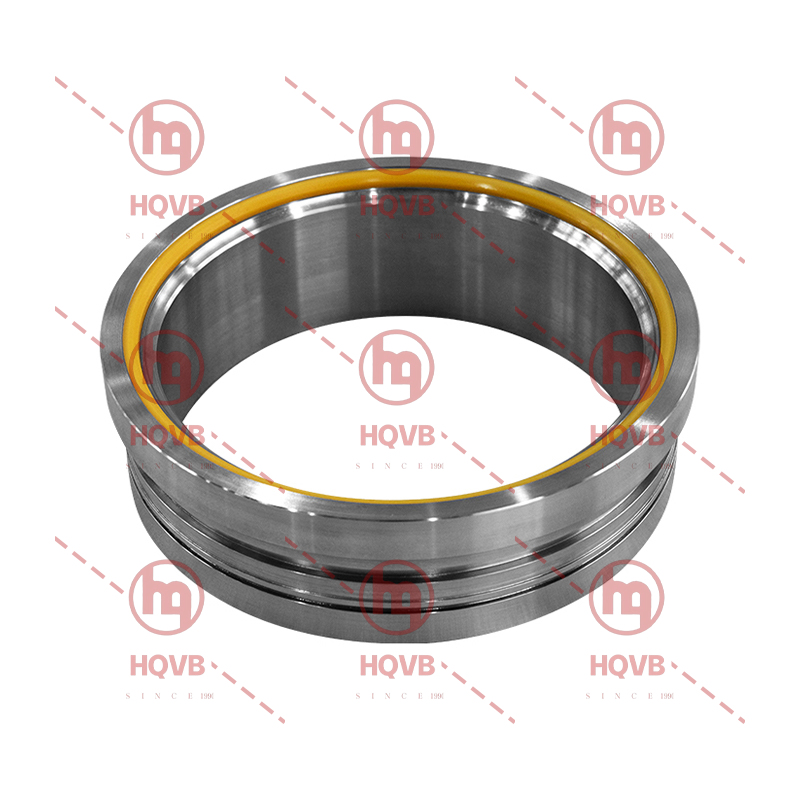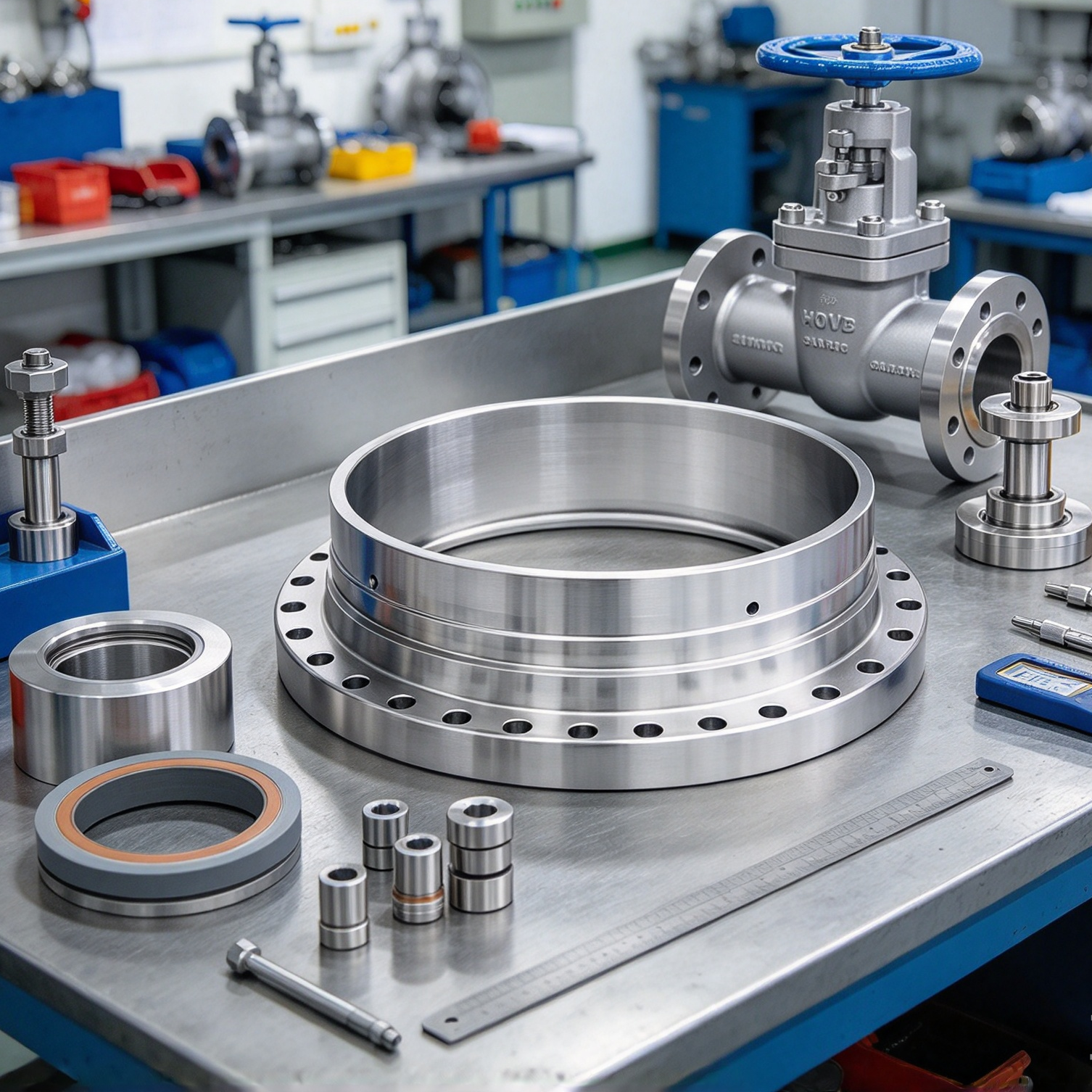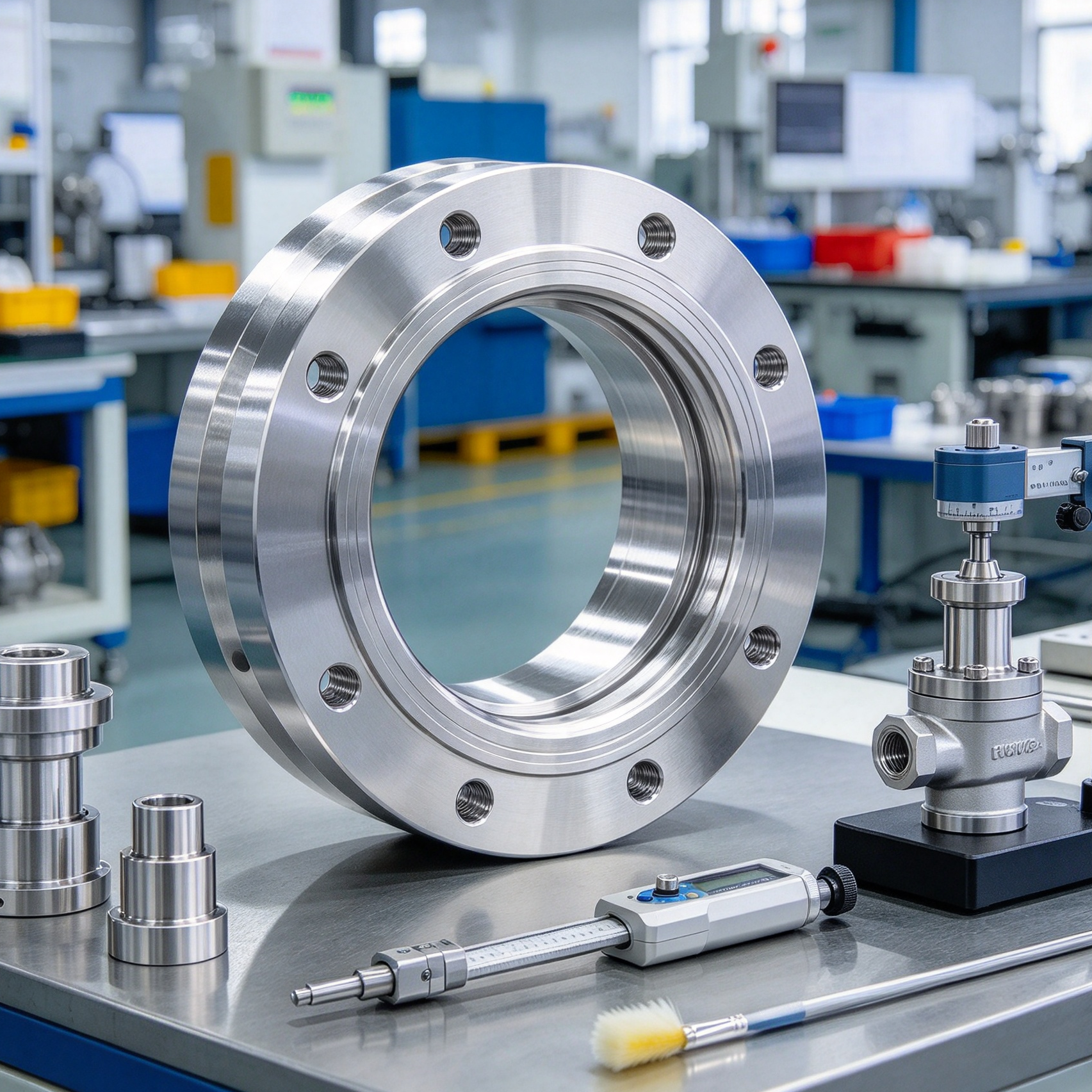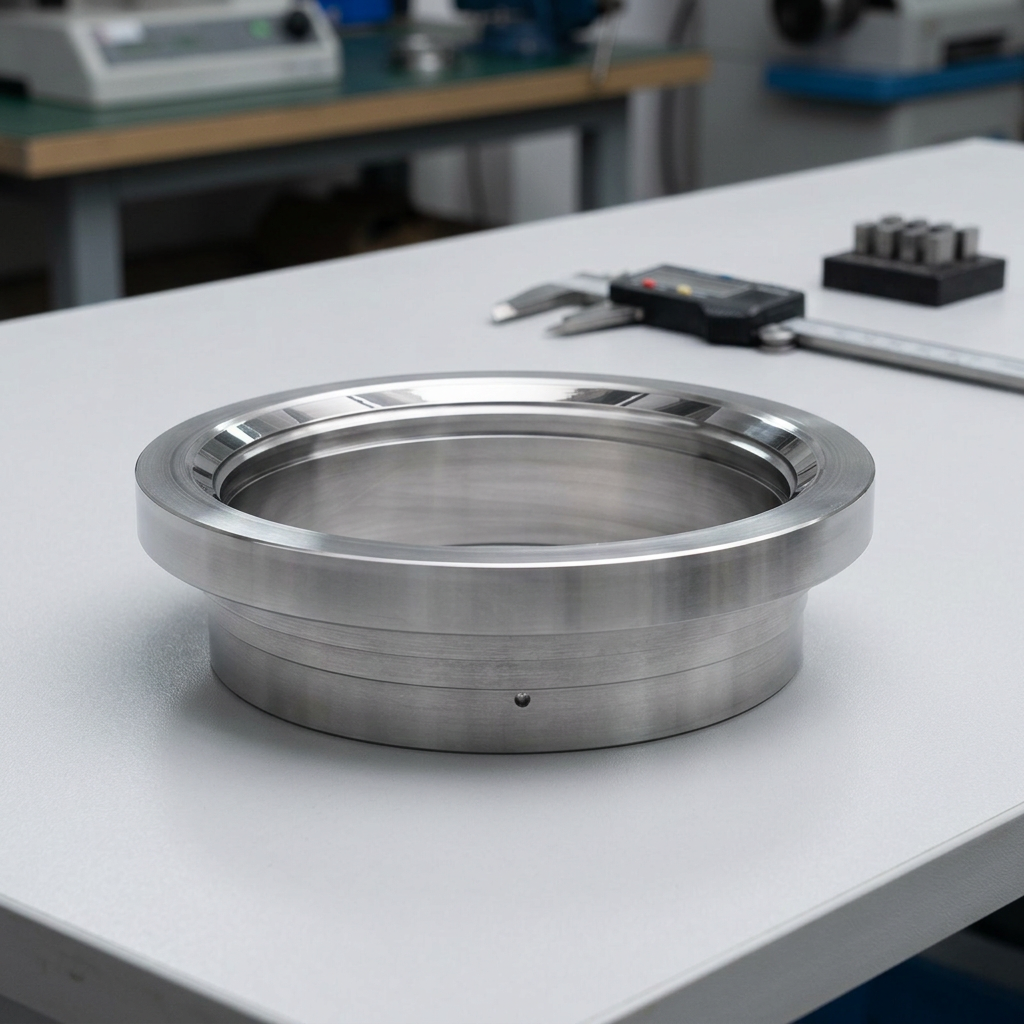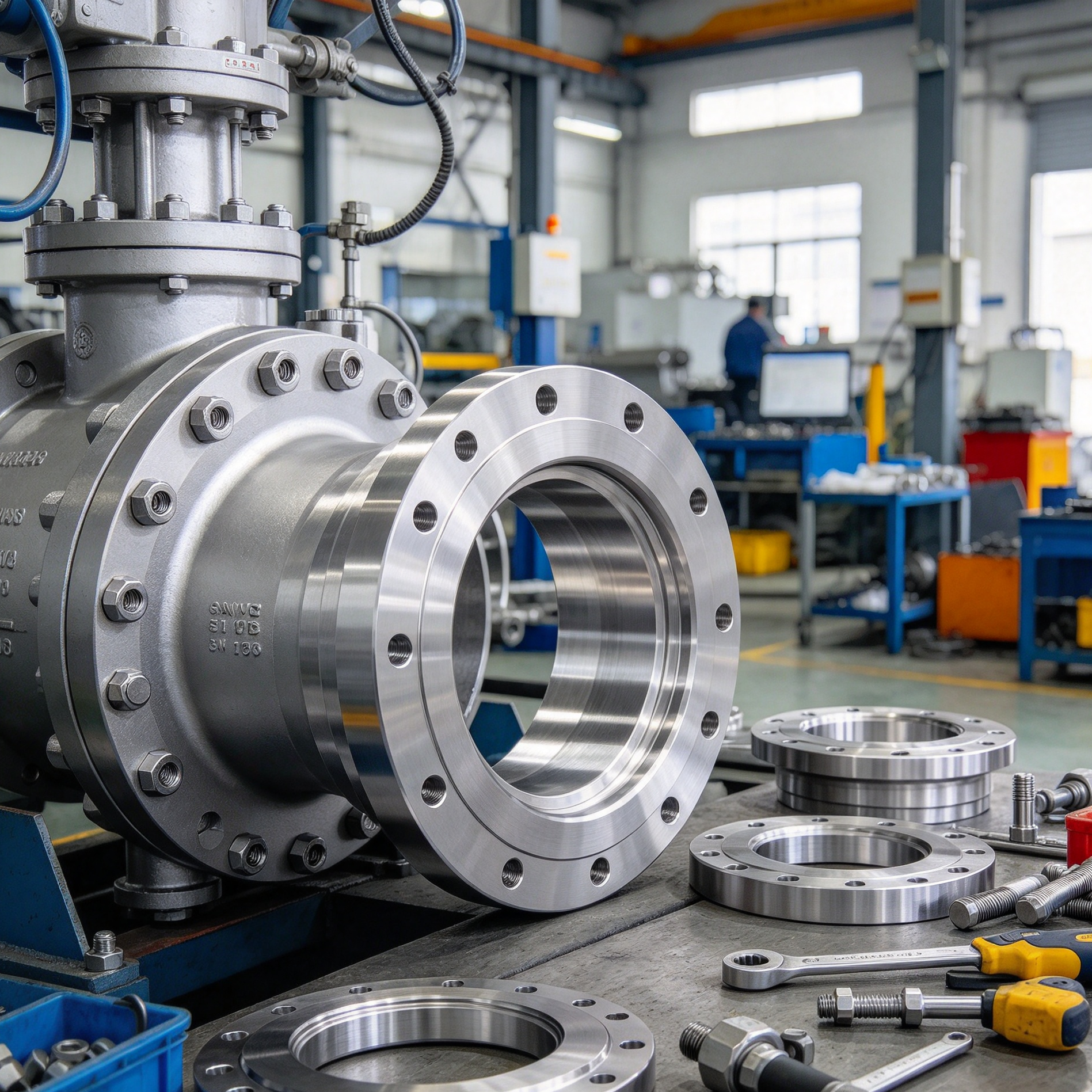
The ball valve seat is a crucial component in the structure of ball valves. It plays a vital role in ensuring the proper sealing and operation of the valve. This article provides detailed information about the ball valve seat, including its features, materials, applications, and maintenance.
Features
The ball valve seat is designed to provide a tight seal when the valve is in the closed position. It is precision-machined to fit completely against the ball, creating a leak-free environment. Seats are available in a wide range of sizes, from NPS 1 to NPS 40 (DN25 - 1600), making them suitable for various industrial applications.
In terms of pressure ratings, the ball valve seat can handle pressures from Class 150 to Class 2500 (PN16 - 420), allowing use in both low-pressure and high-pressure systems. The seats are also designed to withstand high-temperature conditions, making them ideal for industries such as oil and gas, chemical, and power generation.
Materials
Ball valve seats are typically made from high-quality materials offering corrosion resistance and durability. Common materials include:
- Stainless Steel: Ideal for applications where corrosion resistance is essential, such as the food and beverage industry.
- Carbon Steel: Cost-effective and suitable for general-purpose applications.
- Alloy Steel: Provides a balance of strength and corrosion resistance, suitable for harsh environments.
Applications
The ball valve seat is used in a wide variety of industries:
- Oil and Gas: Controls the flow of crude oil and natural gas in pipelines.
- Chemical Industry: Manages the flow of corrosive chemicals.
- Power Generation: Used in steam and water systems.
- Other Industrial Processes: Includes water treatment plants, HVAC systems, and more.
Maintenance
Proper maintenance ensures the long-term performance of the ball valve seat:
- Regular inspection and cleaning to remove debris or contaminants.
- Lubrication of the seat and ball to reduce friction and wear.
- Immediate replacement if the seat is damaged or worn to prevent leaks and maintain safe operation.
The ball valve seat is an important component whose quality and performance directly affect the operation of the valve. With a wide range of sizes, pressure ratings, and materials, it meets the needs of diverse industrial applications. Proper selection, installation, and maintenance of the ball valve seat ensure long-term reliable valve operation and efficient industrial processes. Consider factors such as fluid medium, pressure, and temperature when choosing the most suitable seat for your application.