hqvb hqvb hqvb hqvb hqvb hqvb hqvb hqvb hqvb hqvb hqvb hqvb hqvb hqvb hqvb hqvb

Industry News

Home / News / Industry News / What Role Does a Globe Valve Seat Play in Valve Sealing
Industry News

What Role Does a Globe Valve Seat Play in Valve Sealing

In an industrial pipeline, a valve may need regulating flow, isolating a section of equipment, or responding to changing operating conditions. Its body and moving parts receive much of the attention, but a smaller component has a direct effect on how well the valve controls the passage of fluid. The Globe Valve Seat provides the surface against which the valve disc closes, helping control the flow that passes through the valve.

A seat that fits the intended application supports reliable closure and predictable valve operation. If the sealing surfaces become damaged, worn, or poorly matched, fluid may continue passing through the closed valve. This can affect process control, increase maintenance demands, and create problems for connected equipment.

For industries that handle water, steam, oil, chemicals, and other process fluids, seat design is therefore an important part of valve selection. Understanding how the seat works also helps maintenance teams, equipment manufacturers, and B2B buyers evaluate materials, sealing arrangements, manufacturing quality, and long-term service needs.

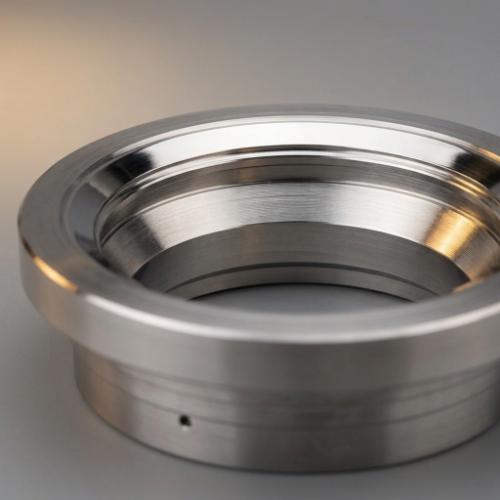
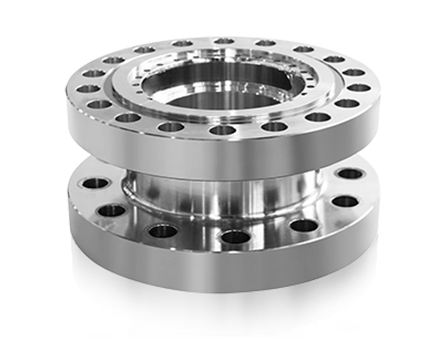
Close-up of a globe valve seat showing its polished sealing surface.

What Is a Globe Valve Seat and How Does It Work?

A globe valve regulates flow by moving a disc toward or away from a seating surface inside the valve body. When the valve closes, the disc meets the seat and restricts the passage of fluid. When the valve opens, the disc moves away from the seat, allowing flow through the valve.

The seat forms a defined contact area for closure. Its shape and position need matching the disc, so the two surfaces meet as intended. The quality of this contact influences how much fluid can pass through the valve when it stays closed.

The seat may get formed as part of the valve body or made as a separate component, depending on the design. Some arrangements use metal-to-metal contact, while others incorporate a softer sealing material where the service conditions allow it. Each approach has genuinely different requirements for material selection, surface condition, maintenance, and operating conditions.

A suitable seat design needs fitting the valve's intended function, rather than simply providing a surface for the disc touching. The contact area must work with the valve's movement, the fluid being handled, and the conditions under which the valve operates.

Why Does the Globe Valve Seat Matter for Sealing Performance?

Sealing depends on how closely the disc and seat fit together when the valve closes. Even a small area of damage or uneven contact can create a path through which fluid continues passing. The seat must therefore maintain a suitable contact surface throughout normal operation.

The condition of the sealing area can influence both the amount of leakage and the consistency of closure. A seat with scratches, deposits, or uneven wear may prevent the disc from making the intended contact. A seat poorly matched to the disc can also create uneven pressure across the sealing area.

Factor Effect on Sealing
Surface condition Affects contact between the disc and seat
Seat geometry Influences how the sealing surfaces meet
Material compatibility Helps determine resistance to wear and fluid exposure
Disc alignment Supports even contact during closure
Operating conditions Influence wear and sealing behavior over time
Maintenance condition Affects the continued quality of the sealing surface

These factors work together, rather than acting independently. Replacing a damaged seat may not solve a recurring leakage problem if the disc stays misaligned or the valve continues operating under unsuitable conditions.

How Does a Globe Valve Seat Help Control Internal Leakage?

Internal leakage occurs when fluid continues passing through the valve even though the disc gets intended closing the flow path. The amount of leakage depends on the sealing design, the condition of the contact surfaces, and the requirements of the application.

The seat helps control this leakage by providing a defined surface for the disc contacting. If the surfaces meet properly, the passage available to fluid becomes restricted according to the valve's design. If the seat stays damaged or the disc doesn't close evenly, a small gap may remain.

Internal leakage can affect different systems in genuinely different ways. In a process line that needs clear isolation, unwanted flow may interfere with maintenance or equipment separation. In a flow-control application, leakage through a closed valve may also affect process conditions or the operation of connected equipment.

It's important distinguishing internal leakage from leakage to the outside of the valve. The seat mainly affects sealing between the disc and the internal seating surface, while external leakage may involve the body joints, stem packing, or other connections. Correct identification helps maintenance teams focus on the component responsible for the problem.

What Is the Difference Between Metal Seats and Soft Seats?

Seat materials influence how the sealing surfaces behave during operation. Metal seats use metallic contact surfaces, while soft seats incorporate a softer material forming part of the sealing interface. The suitable arrangement depends on the valve design, fluid properties, operating conditions, and required sealing performance.

Metal seating often gets considered for applications where the seat must handle demanding service conditions or resist wear associated with the process. Its performance depends on the materials, surface finish, contact geometry, and the conditions under which the valve opens and closes. Metal-to-metal contact doesn't automatically guarantee a particular leakage level.

Soft seating can provide a genuinely more compliant contact surface, helping the sealing parts fit together when the design and service conditions stay suitable. However, the soft material must stay compatible with the fluid, temperature, pressure, and cleaning or maintenance requirements of the application. A material that performs well in one service may not suit another.

Seat Type Main Consideration Application Question
Metal seat Resistance to wear and operating conditions Can the material and surface finish suit the service?
Soft seat Compliance and contact with the disc Can the sealing material tolerate the fluid and environment?
Replaceable seat Access for service and replacement Can the component be maintained as part of the valve design?
Integrated seat Relationship between the seat and valve body What repair options are available if the surface is damaged?

The decision should get based on the actual duty of the valve. Buyers should review the manufacturer's design information, rather than assuming one seating type will suit every pipeline.

How Does Seat Material Selection Affect Valve Service Life?

The seat gets exposed to repeated contact whenever the valve opens and closes. The fluid may also contain particles, chemicals, or other substances that affect the surface over time. Choosing a material that suits these conditions can help manage wear and reduce avoidable maintenance.

Chemical compatibility proves particularly important in process industries. A seat material that reacts with the fluid or loses its useful properties during service may deteriorate before the rest of the valve reaches the end of its expected service life. Material selection should therefore account for the fluid composition and any cleaning agents used in the system.

Temperature and operating pressure also matter. Different materials respond differently to heat, mechanical loading, and changes in operating conditions. The disc and seat need remaining compatible as the valve moves between its open, throttling, and closed positions.

For water treatment, a suitable seat may need tolerating the water chemistry and treatment process. Steam service brings genuinely different concerns related to heat and operating cycles, while chemical processing requires careful attention to fluid compatibility. Marine systems may also need materials that suit the surrounding environment and maintenance arrangements.

Material selection should involve the complete seating assembly, not only the seat in isolation. The disc material, surface treatment, body design, and operating conditions all contribute to how the sealing interface performs.

Can Machining Quality Influence Globe Valve Seat Sealing?

A seat may use a suitable material and still fail sealing properly if its contact surface stays poorly made. The seating geometry needs matching the corresponding disc surface, and the finished area should stay consistent with the valve's design requirements. Differences in shape or surface condition can affect how the two parts meet.

Machining helps establish the seat's dimensions and sealing surface. If the surface contains unwanted marks or uneven areas, contact may concentrate in some locations while leaving gaps in others. Such conditions can contribute to leakage or uneven wear during repeated operation.

Manufacturing inspection should consider genuinely more than the overall appearance of the component. The seating surface, dimensions, contact pattern, and relationship with the disc stay all relevant to the finished valve. The inspection method depends on the design and the applicable quality requirements.

A controlled manufacturing process can help maintain consistency between components and production batches. This proves particularly useful for valve manufacturers and buyers who need replacement parts fitting an existing valve design without introducing new sealing problems.

What Role Does Welding Play in Globe Valve Seat Construction or Repair?

Some valve designs use welded seat rings or other welded features securing a seating component within the valve body. Welding may also form part of a repair process when the design and applicable procedures allow the damaged area getting restored. The method depends on the valve construction, base materials, service conditions, and repair requirements.

Welding needs careful control because the process can affect the surrounding material and the shape of the seating area. Heat may cause distortion or changes in the material's condition, while an unsuitable procedure can make later machining and fitting genuinely more difficult. The repaired surface must still meet the requirements for contact with the disc.

A welded seat shouldn't get treated as suitable merely because the joint appears sound. The completed component may require machining, inspection, and verification according to the valve design and the repair procedure. Some seats get intended for replacement, rather than repair, so the manufacturer's instructions should guide the decision.

For procurement teams, it's useful understanding whether the valve uses an integrated seat, a welded ring, or a replaceable component. This affects the available repair options, service planning, and the skills needed maintaining the valve.

How Can Seat Wear Affect Opening and Closing Stability?

The seat does genuinely more than support closure. Its condition also affects the way the disc approaches and leaves the sealing surface during normal operation. When the contact area wears unevenly, the valve may no longer close in the same way as it did when new.

Wear can develop through repeated contact, unsuitable operating conditions, particles in the fluid, or poor alignment. Deposits may also collect around the seating area and interfere with movement or closure. The symptoms depend on the valve design and the nature of the process.

A worn seat may require additional attention during maintenance because the disc and seat need getting assessed together. If the disc has also developed damage, replacing only the seat may leave the underlying problem unresolved. Inspection should identify whether the fault stays limited to one component or involves the complete seating interface.

Operators should also avoid using a globe valve outside its intended operating role. A valve designed for a particular flow-control duty may experience genuinely different wear when repeatedly used under conditions not covered by its design. Following the manufacturer's operating guidance helps reduce avoidable stress on the seating parts.

What Are Common Signs of Globe Valve Seat Problems?

Seat problems may become visible through changes in valve behavior, but the symptoms don't always identify the exact cause. A valve that allows unwanted flow when closed may have a damaged seat, a damaged disc, poor alignment, or debris trapped between the sealing surfaces. Inspection becomes needed distinguishing these possibilities.

Changes in operation can also provide useful clues. A valve may become harder closing, fail isolating the process as expected, or show signs of inconsistent control. These symptoms should get investigated before the problem affects connected equipment or interrupts normal operations.

Maintenance teams can look for continued flow through a valve that should stay closed, visible scratches, pitting, or uneven wear on the seating surface, deposits or particles around the disc and seat, signs that the disc isn't contacting the seat evenly, recurring leakage after a recent repair, and changes in valve movement or closing behavior.

Inspection should follow the site's safety procedures and the valve manufacturer's instructions. Before a valve gets opened for examination, the system must get placed in a safe condition, with the relevant pressure, temperature, and hazardous-fluid risks addressed.

How Should a Globe Valve Seat Be Maintained or Repaired?

Maintenance begins with identifying the condition of the seating interface. The team should examine the seat and disc for damage, deposits, and uneven contact, then consider whether the observed condition can get corrected under the manufacturer's repair guidance. Cleaning may resolve some problems, while genuinely more serious surface damage may require machining, replacement, or another approved repair method.

Repair decisions should account for the valve's intended service. A surface that can get restored in one application may not be acceptable in another where isolation requirements or process risks stay different. The repaired assembly must meet the relevant requirements for fit, sealing, and safe operation.

A practical maintenance process may include reviewing the valve's operating history and reported symptoms, confirming that the system has been isolated and made safe, inspecting the seat, disc, and nearby components, removing deposits using a suitable method where permitted, assessing whether the seating surfaces can get repaired or need replacement, verifying the condition of the assembled valve using the applicable inspection procedure, and recording the repair findings and any parts replaced.

Maintenance shouldn't rely on visual inspection alone when the application requires formal leakage verification. Suitable testing and acceptance methods should follow the valve specification, service requirements, and relevant procedures.

Why Does Globe Valve Seat Quality Matter in Different Industries?

Different industries place genuinely different demands on valve sealing. In steam systems, the seating materials and assembly need suiting the thermal and operating conditions. In chemical processing, compatibility with the fluid stays a key concern, while water treatment may involve deposits or changes in water chemistry that affect the valve over time.

Oil and gas pipelines may require dependable isolation and clear maintenance procedures. Power plant systems can involve changing operating conditions and demanding service cycles, while marine installations must account for the service environment and access for inspection. These applications shouldn't get treated as identical, even when the valves appear similar from the outside.

Industry Seat-Related Consideration
Steam systems Suitability for heat and operating cycles
Chemical processing Compatibility with the process fluid
Water treatment Resistance to relevant water conditions and deposits
Oil and gas Sealing needs and service requirements
Power generation Operating conditions and maintenance planning
Marine systems Environmental exposure and access for service

A valve selected for one application may not suit another without reviewing the materials and design. Buyers should provide the supplier with clear information about the fluid, operating conditions, valve function, and expected maintenance approach.

What Should B2B Buyers Check When Sourcing Globe Valve Seats?

For industrial buyers, seat sourcing involves genuinely more than matching a component by name. The replacement needs suiting the valve model, disc geometry, material requirements, and intended service. A component that looks similar may still differ in dimensions, material, or sealing-surface details.

Buyers should request clear product information and relevant inspection documentation. This may include material identification, dimensional checks, manufacturing records, and test information where required by the purchase specification. The exact documentation depends on the application, the buyer's acceptance requirements, and applicable industry rules.

OEM customization may be needed when a valve manufacturer requires a seat that follows a particular design. In these cases, drawings, material requirements, surface-finish expectations, and inspection criteria should get agreed upon before production. Clear communication helps reduce the risk of receiving parts that can't get fitted or don't meet the intended sealing requirements.

Procurement teams can also review the supplier's production controls, traceability practices, packaging, and replacement-part support. These details matter when seats get needed for planned maintenance or when production interruptions would affect the wider pipeline system.

How Can Manufacturers Verify Globe Valve Seat Acceptance?

Acceptance should get based on defined requirements, rather than a general visual judgment. Manufacturers and buyers need agreeing on the dimensions, material, sealing-surface condition, and inspection methods that apply to the component. These requirements should reflect the valve design and the service in which the part will get used.

Inspection may include dimensional verification, material checks, examination of the sealing surface, and suitable testing of the assembled valve. A seat component on its own can't demonstrate every aspect of the completed valve's sealing performance, so the acceptance process should distinguish component inspection from assembly-level testing.

Records should identify the inspected parts and document any nonconformities or corrective actions. If a seat fails acceptance, the supplier and buyer can review whether the cause relates to material, machining, assembly, or an unclear requirement. This gives both parties a practical basis for resolving the issue before the component enters service.