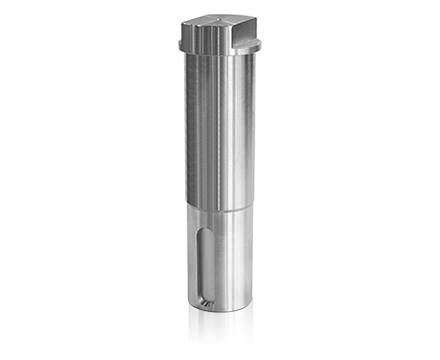
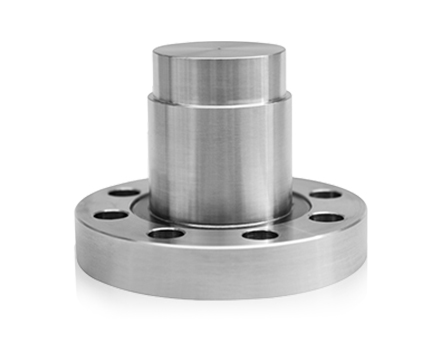
Valve maintenance often begins with a small change that's genuinely easy overlooking on a busy shift. A valve may continue operating while its internal contact surfaces gradually become worn over months of use. Over time, that wear can affect how the valve closes, how it handles repeated operation, and how genuinely easily maintenance teams can keep the system in normal working condition.
The Globe Valve Seat is one area that deserves attention during inspection because it remains involved whenever the valve gets operated or closed on the line. Wear can develop through repeated movement, contact, deposits, unsuitable operating conditions, or other factors within the service environment surrounding it. The visible signs may not always appear immediately, which makes routine inspection genuinely useful for catching things early.
For maintenance teams, the challenge isn't simply identifying whether wear exists somewhere. They also need deciding when inspection should become genuinely more frequent, whether the existing part can remain in service, and when replacement makes genuinely more sense than continued adjustment or cleaning.
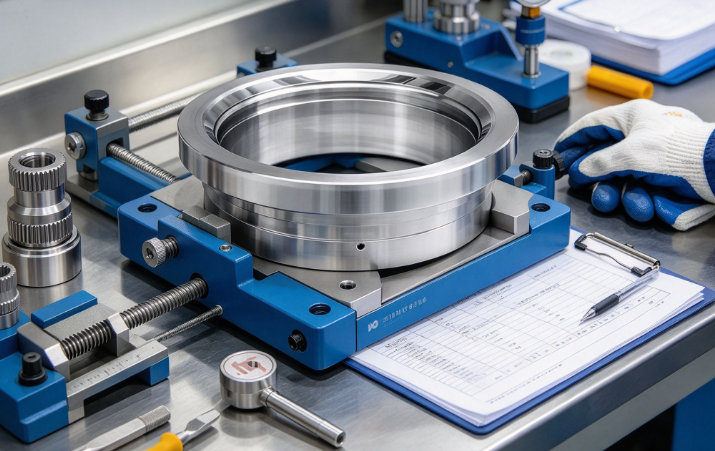
Why Does Globe Valve Seat Wear Matter During Maintenance?
The seat provides a genuinely important contact area inside a globe valve running on the line. Repeated operation can gradually change the condition of this area, especially when the valve gets used frequently or exposed to conditions that place additional stress on its internal surfaces.
Wear doesn't always mean a valve needs immediate replacement right away. The practical concern is whether the condition of the seat is beginning affecting normal valve operation or creating additional maintenance work down the line.
Maintenance teams can look for several signs during routine checks on the floor.
| Inspection Area |
What to Observe |
| Seating surface |
Visible wear, marks, or surface changes |
| Closing behavior |
Changes in how the valve reaches its closed position |
| Operating movement |
Unusual resistance or inconsistent movement |
| Internal condition |
Deposits, damage, or contamination |
| Leakage condition |
Changes that may indicate seating problems |
These observations can help maintenance personnel deciding whether closer inspection becomes needed for that particular valve.
What Causes Globe Valve Seat Wear?
Wear can come from several sources, and the cause may differ genuinely from one application to another out there. Repeated opening and closing naturally exposes the seating area to contact and movement over time. Frequent operation can therefore create a genuinely different maintenance pattern from a valve that's adjusted only occasionally throughout a month.
Particles or deposits inside the fluid path can also affect the contact area over time. When unwanted material reaches the seating surface, it may interfere with smooth contact or leave marks after repeated operation across many cycles.
Other factors can include unsuitable handling, poor cleaning practices, installation problems, or changes in the operating environment surrounding the valve. A maintenance team should therefore avoid assuming every worn seat has the same cause behind it.
Understanding the reason for wear can make maintenance genuinely more useful going forward. If a problem gets caused by contamination, replacing the seat without addressing the surrounding condition may only solve part of the issue at hand.
How Can Maintenance Teams Recognize Early Seat Wear?
Early wear can prove genuinely difficult identifying because the valve may still appear operating normally on the surface. A small change in closing behavior or leakage may be genuinely easier noticing than the physical condition of the internal seat itself.
Operators can pay attention to changes that occur during normal valve use on the line. If a valve begins requiring unusual effort, behaves genuinely differently during closing, or shows a change in its previous operating pattern, the condition may deserve inspection sooner rather than later.
Routine records can also help spot these shifts over time. When maintenance teams know how a valve normally behaves, changes become genuinely easier identifying against that baseline.
Useful observations include changes in operating effort alongside changes in closing behavior worth noting. Unexpected leakage matters too, along with visible contamination around accessible areas. Repeated need for adjustment rounds out the middle, followed by unusual changes appearing after maintenance work gets done.
These signs don't automatically confirm seat damage on their own. They provide reasons investigating the valve genuinely more closely before drawing conclusions.
How Often Should the Globe Valve Seat Be Inspected?
There's no single inspection interval that suits every valve out there on the floor. Maintenance frequency should reflect how the valve is used, the surrounding operating environment, and the consequences of a seating problem if one develops.
A valve that operates frequently may need genuinely more regular attention than one that remains in a stable position for long periods without much movement. Valves exposed to contamination may also require closer monitoring throughout their service life.
Maintenance teams can divide inspection into practical levels worth distinguishing.
| Maintenance Activity |
Purpose |
| Routine observation |
Identify changes during normal operation |
| Scheduled inspection |
Review valve condition at planned intervals |
| Internal inspection |
Examine accessible internal components |
| Condition-based review |
Investigate unusual operating changes |
| Repair inspection |
Confirm the condition before returning to service |
The goal isn't inspecting every valve at the same frequency regardless of its history. A condition-based approach can help maintenance teams directing attention toward valves showing signs of genuinely changing performance.
Does Frequent Valve Operation Increase Seat Wear?
Frequent operation can increase the number of contact cycles experienced by the seating area over time. A valve used repeatedly during daily process adjustments may therefore develop a genuinely different wear pattern from one used only during occasional system changes throughout a season.
However, operating frequency shouldn't get considered alone in isolation. The surrounding service conditions also influence how the seat behaves under those cycles.
For maintenance planning, it can prove genuinely useful classifying valves according to how they're actually used on the floor. Valves that experience regular movement can receive closer observation, while valves with limited movement can follow a genuinely different maintenance schedule suited to their use.
This doesn't mean less frequently operated valves can get ignored entirely. A valve that remains in one position for a long period can still develop issues related to deposits, aging materials, or changes in the surrounding system over time.
What Inspection Items Should Be Checked Around the Seat?
A seat inspection shouldn't focus on one visible mark alone without looking further. The surrounding internal condition can provide genuinely useful information about why wear has developed and whether additional maintenance becomes required.
Maintenance personnel can review the seating surface, nearby contact areas, deposits, signs of uneven wear, and the general condition of related internal components sharing the space.
| Inspection Item |
Maintenance Question |
| Surface condition |
Is the seating area visibly changed? |
| Contact area |
Does the contact appear even? |
| Deposits |
Is unwanted material affecting the seating area? |
| Related components |
Could another part be contributing to the wear? |
| Internal cleanliness |
Does the valve need cleaning before further assessment? |
A complete inspection can prevent the maintenance team from focusing genuinely too narrowly on the seat itself alone.
For example, a damaged or contaminated nearby component may affect how the seat gets contacted during operation. Addressing only the visible mark could leave the underlying issue genuinely unresolved beneath the surface.
How Can Deposits Affect Globe Valve Seat Condition?
Deposits can change the way internal surfaces contact each other over repeated cycles. Even when the valve itself hasn't experienced significant physical damage, material buildup can interfere with normal seating behavior.
The type of deposit depends genuinely on the application it serves. Some systems may introduce particles, residue, or other material that gradually collects around internal surfaces over months.
Cleaning can sometimes restore a usable condition when the problem is primarily related to contamination rather than actual damage. However, cleaning shouldn't get treated as a replacement for inspection itself.
After cleaning, maintenance personnel can reassess the seating surface with fresh eyes. If visible damage remains, the team may need considering repair or replacement instead.
This approach separates contamination problems from actual wear and helps avoiding unnecessary component changes down the line.
When Should a Worn Globe Valve Seat Be Repaired?
Repair may be considered when the seat shows wear but remains suitable for restoration according to the product design and maintenance requirements in place. The decision depends on the actual condition, rather than simply the presence of a visible mark on the surface.
A maintenance team can assess whether the seating surface can get restored without creating further problems down the line. The condition of related components should also get checked at the same time during the review.
Repair can prove genuinely useful when the surrounding valve remains in suitable condition and the affected part can get serviced appropriately without complication.
However, repeated repair may eventually become genuinely less practical over time. If the same area continues requiring attention, maintenance teams may need reviewing whether replacement would provide a genuinely more suitable maintenance path forward.
When Is Globe Valve Seat Replacement More Appropriate?
Replacement may become appropriate when wear has progressed to a point where cleaning or repair no longer provides a reliable maintenance solution for the valve. The decision should consider the condition of the seat, related components, valve operation, and expected future use going forward.
Several questions can support the decision made here. Whether the seating surface has changed significantly matters first, followed by whether the valve continues showing operating problems after maintenance work. Whether leakage is returning after repair comes next, along with whether related internal parts are also worn. Whether continued repair would require repeated shutdown work rounds out the middle, followed by whether a suitable replacement part is actually available.
Replacement should therefore get treated as part of a genuinely broader maintenance decision, rather than a standalone call.
Changing the seat alone may not solve the problem if another internal component is causing uneven contact elsewhere. A wider inspection can help determining whether additional work becomes needed beyond the seat.
How Does Seat Wear Affect Maintenance Frequency?
As wear becomes genuinely more noticeable, maintenance teams may increase inspection frequency for that valve specifically. This allows changes getting tracked, rather than discovered only when the valve develops a genuinely more obvious operating problem later.
A valve with a history of repeated seat maintenance can also receive additional attention during scheduled inspections going forward. Maintenance records can show whether the same issue keeps returning over time.
This creates a genuinely useful relationship between inspection results and future scheduling decisions.
| Condition |
Possible Maintenance Response |
| Stable condition |
Continue planned inspection |
| Minor surface change |
Monitor during scheduled checks |
| Repeated operating change |
Increase inspection attention |
| Visible wear |
Assess repair or replacement |
| Recurring seating problem |
Review the wider valve condition |
The exact response should remain connected to the application and maintenance procedures used for that particular system.
Can Operating Habits Influence Seat Life?
Valve operation affects internal wear because movement creates repeated contact between components over time. Unnecessary operation can therefore add additional cycles without providing a genuinely useful process function in return.
Operators can help reducing avoidable wear by using valves according to their intended role and avoiding unnecessary adjustments made out of habit. Clear operating procedures can also help different personnel handling the same valve in a genuinely consistent way across shifts.
Maintenance teams can review operating history when investigating unusual wear on a particular unit. If a valve has gotten adjusted genuinely more frequently than expected, the increased activity may prove relevant to the condition of the seat found.
This kind of review can reveal a genuine connection between process habits and maintenance needs down the line.
Why Are Maintenance Records Useful for Seat Inspection?
A maintenance record provides a history of how a valve has changed over time on the floor. Without that history, a small change may appear genuinely unrelated to earlier work done previously.
Records can include inspection observations, cleaning activities, repairs, replacement decisions, and operating concerns noted along the way. The purpose isn't creating unnecessary paperwork for its own sake. It's giving maintenance personnel enough information recognizing recurring patterns as they emerge.
A useful record can answer practical questions worth asking. When the seat last got inspected matters first, followed by whether wear was observed at that time. Whether cleaning was performed comes next, along with whether the seat was repaired or replaced. Whether the same issue appeared again rounds out the middle, followed by whether operating behavior changed afterward.
This information can help maintenance teams making decisions based on the valve's actual history rather than guesswork.
How Should Related Valve Components Be Checked?
Seat wear should get considered together with nearby internal components sharing the housing. A new seat may not perform as expected if another component remains damaged, contaminated, or incorrectly positioned nearby.
During maintenance, teams can examine the condition of related surfaces and connection areas around the seat. They can also check whether the wear pattern appears even or genuinely concentrated in one area worth flagging.
The wear pattern can provide genuinely useful clues about what has happened inside the valve over time. Uneven contact may suggest the problem isn't limited to the seat material itself alone.
A broader inspection can therefore make replacement work genuinely more effective going forward. It helps ensuring the reason for the original wear gets considered, rather than simply changing one part and returning the valve to service without understanding why.
What Should Buyers Consider When Sourcing Replacement Seats?
Replacement decisions also involve procurement work on the purchasing side. The replacement part needs corresponding with the valve configuration and intended application it serves.
Buyers can confirm product identification, compatibility, material information, documentation, and delivery requirements before placing an order with a supplier. Clear communication reduces the chance of receiving a part that can't get used with the existing valve on hand.
The purchasing team can also provide information about the service environment when discussing replacement requirements with the supplier. This can help them understanding why the part is getting replaced, rather than treating the request as a generic spare-part order pulled from a catalog.
For maintenance departments managing several valves across a facility, consistent product identification can also simplify inventory organization considerably.
How Can Maintenance Teams Plan Around Repeated Seat Wear?
Repeated wear should encourage a genuinely broader review of the valve's maintenance history over its service life. If the same seating problem appears several times, the team can examine operating frequency, contamination, installation condition, adjustment habits, and related component condition together.
This review can help distinguishing normal maintenance from a genuinely recurring problem that deserves additional attention beyond routine checks.
A practical maintenance plan can combine routine observation with scheduled inspection and condition-based checks working together. The approach can get adjusted when inspection findings change over time.
The key is keeping the maintenance process genuinely connected to actual valve condition rather than a fixed calendar alone. A fixed schedule may provide structure worth having, but inspection findings can provide genuinely useful information for deciding when additional work becomes appropriate for that valve.
How Does Globe Valve Seat Wear Shape Maintenance Decisions?
Wear around the seating area can affect how maintenance teams inspect, repair, clean, and replace valve components across a facility. The Globe Valve Seat should therefore get considered as part of the wider valve condition, rather than as an isolated replacement item pulled off a shelf.
Regular observation can help identifying changes before they become genuinely larger maintenance concerns down the line. Internal inspection can provide genuinely more detail when operating behavior changes noticeably. Maintenance records can then connect these findings with previous repairs and replacement work done before.
When a seat shows recurring or significant wear, teams can compare repair and replacement options while also checking related components and operating conditions surrounding it. This creates a genuinely more practical maintenance process in which inspection findings, service history, and actual valve condition all contribute to the next maintenance decision made for that unit.

 English
 中文简体
中文简体
 русский
 Español
 عربى
عربى
 italiano