Flow isolation is a routine requirement in many piping arrangements. A valve used for this purpose needs to create a clear separation between connected sections while remaining practical to operate during normal system activities. The way the closing element moves, how the flow passage is arranged, and where the valve is positioned can all affect how isolation works in practice.
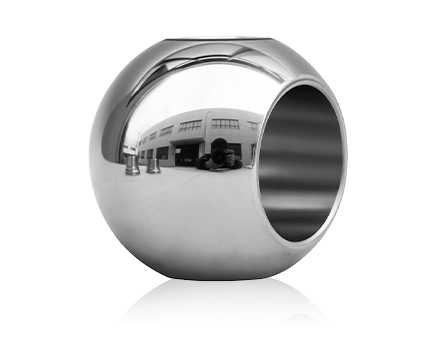
A Soft Seated Ball Valve uses a rotating ball to change the connection between the inlet and outlet passages. When the ball is turned to the open position, the passage allows fluid to move through the line. When it is turned away from the flow path, the valve separates the two sides. This simple movement makes the valve relevant to applications where opening and closing are recurring parts of pipeline operation.
Reliable isolation, however, is not determined by the valve alone. The surrounding pipe arrangement, operating method, installation position, and control requirements also influence how the isolation point functions. Looking at these factors together provides a clearer way to consider ball valve use in a working pipeline.
What Makes Ball Valves Suitable for Flow Isolation
Flow isolation generally requires a valve to create a distinct open or closed condition without introducing unnecessary operating steps. Ball valves fit this role through their quarter-turn movement. Instead of requiring a long sequence of turns, the internal ball changes position through a relatively direct rotational action.
The relationship between the ball and the flow passage is central to this arrangement. With the passage aligned with the pipeline, fluid can travel through the valve. As the ball rotates, that connection changes until the passage no longer provides a continuous route between the two sides.
This operating principle can be useful where valves are placed at specific points to separate sections of a pipeline. For example, an isolation point may be located around equipment, between connected process sections, or along a branch that needs to be shut off during routine work.
The role of the valve is therefore closely connected with system organization. Rather than treating the valve as an independent component, it can be viewed as a controllable boundary within the piping arrangement.
A few characteristics support this role:
- A rotating movement provides a direct change between open and closed positions.
- The ball creates a defined flow path when aligned with the pipe.
- The closed position separates the connected sides of the valve.
- The operating position can be coordinated with manual or automated controls.
These characteristics explain why ball valves are frequently considered when a piping system requires clear isolation points rather than continuous adjustment of flow.
How Does the Ball Movement Support a Clear Open or Closed State
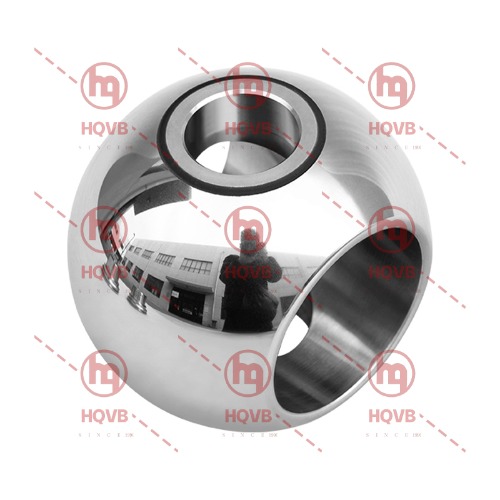
The movement of the ball is closely tied to the operating state of the valve. Inside the body, the ball contains a passage that changes orientation as the valve is turned. This means the position of the ball determines whether the pipeline remains connected through the valve or becomes separated at that point.
For routine operation, this relationship is useful because the valve does not rely on a gradual movement to establish its basic open or closed condition. The operator turns the valve toward the required position, and the internal passage changes accordingly.
The distinction between movement and position is important. A valve handle may move smoothly, but the actual isolation function depends on where the internal ball ends its rotation. Correct positioning therefore remains part of normal operation.
In a manually operated arrangement, the handle provides a visible indication of the valve position. In an automated arrangement, the same basic movement can be produced by an actuator, while a control system can manage when the valve changes state.
The ball's movement also has a relationship with the sealing surfaces. As the valve reaches the closed position, the ball and seat come into the required contact condition. This allows the valve to perform its isolation role without relying on complex linear movement inside the pipeline.
For this reason, the operating sequence is relatively easy to relate to the physical position of the valve. The open condition corresponds with a continuous passage, while the closed condition corresponds with separation between the two sides.
How Does Full Bore Design Influence Flow Passage
Flow passage is another consideration when a ball valve is incorporated into a pipeline. In a full bore arrangement, the internal passage through the valve is designed to remain closely aligned with the connected pipe when the valve is open.
This arrangement can make the transition between the pipeline and the valve relatively direct. Fluid entering the valve encounters a passage that follows the general direction of the surrounding pipe rather than moving through a narrow opening created by a partially obstructed element.
The distinction becomes relevant when planning how equipment fits into an existing line. The internal passage can influence how the valve interacts with the rest of the piping arrangement, particularly when the valve is expected to remain open during normal flow.
| Flow passage consideration |
Practical relevance |
| Passage alignment |
Helps maintain a continuous route through the valve when open |
| Internal opening |
Influences how fluid moves through the valve |
| Connection with pipe |
Affects how the valve fits into the surrounding line |
| Open position |
Establishes the available flow route |
Flow passage should not be considered separately from the isolation function. During normal operation, the valve may need to remain open to maintain flow. During isolation, the same internal passage changes position to separate the two sides.
This dual role is one reason the relationship between the ball position and the pipeline direction matters during system planning. The valve needs to accommodate both states without requiring a different physical arrangement each time it is operated.
How Does Valve Position Affect Routine Pipeline Operation
A valve position can have a direct effect on how operators manage a pipeline. An open valve allows the connected sections to communicate, while a closed valve creates an isolation point. When several valves are installed across a system, their positions can therefore form part of the operating sequence.
Consider a pipeline containing several connected sections. Closing one valve can separate a particular section while other sections continue to operate. The usefulness of the isolation point depends partly on whether the valve is located where the desired separation can actually be achieved.
Clear position awareness also matters during routine work. Operators may need to identify whether a section is connected or isolated before changing another part of the system. A handle position, actuator indication, or control signal can provide information about the intended operating state.
The practical relationship can be viewed as follows:
Open position → continuous flow path → connected pipeline sections
Closed position → interrupted flow path → separated pipeline sections
This simple relationship becomes more significant when valves are used across branches, equipment connections, or multiple sections of the same line. A Soft Seated Ball Valve can therefore form part of a broader operating arrangement rather than functioning only as an individual shutoff component.
Valve position should also remain consistent with the operating procedure used for the pipeline. A clear procedure reduces uncertainty when several isolation points are involved and helps operators associate each valve with the section it controls.
What Should Be Considered When Placing Ball Valves in a Pipeline
The physical location of a valve can influence how easily it can be operated and inspected. Even when the valve itself is appropriately selected, an inconvenient position may make routine operation less practical.
Space around the valve is one consideration. Manual handles need enough room for movement, while automated arrangements require suitable space around the actuator and related components. Access should also remain available for inspection and future service activities.
The relationship with nearby piping matters as well. A valve installed between closely positioned components may be difficult to reach. A valve located near a bend, branch, or equipment connection may require more attention to the available operating space.
Installation planning can therefore consider several questions:
- Can the operating mechanism be reached without obstruction?
- Is the valve position easy to identify?
- Can nearby pipework be inspected without removing unrelated components?
- Does the location correspond with the section that needs to be isolated?
- Is there sufficient room for the selected operating arrangement?
These points are particularly relevant when isolation points are distributed throughout a larger system. Each valve should have a clear functional relationship with the section of pipe or equipment it is intended to separate.
The installation position also affects how easily operators can understand the system. Logical placement can make it easier to associate a valve with a particular branch or pipeline section, especially where several valves are installed close together.
How Can Manual Operation Fit Different Flow Isolation Tasks
Manual operation remains relevant in systems where isolation is performed directly at the valve. The quarter-turn action of a ball valve allows the operator to change the valve state without a lengthy operating sequence.
Different isolation tasks can involve different operating patterns. A valve may normally remain open and be closed only when a particular pipeline section needs to be separated. Another valve may be operated more frequently as part of routine line switching.
The operating method should therefore reflect the role of the isolation point. A valve that controls access to a rarely used section may have a different operating routine from one involved in regular pipeline changes.
Position indication is useful in both cases. A clearly identifiable handle position allows the operator to associate the physical position with the intended state. Where the system contains several valves, consistent operating practices can make this relationship easier to follow.
Manual operation can also provide a direct connection between the person carrying out the task and the valve's physical state. The operator can observe the movement, reach the required position, and confirm that the valve has completed its intended travel.
The choice of manual operation is consequently related not only to valve size or location, but also to how the isolation task is performed within the broader piping arrangement.
How Can Soft Seated Ball Valves Fit Automated Isolation Systems
Automation changes how an isolation valve receives and carries out operating instructions. Instead of relying on a person to turn the handle directly, an actuator can rotate the ball in response to a control signal.
This arrangement can be useful when isolation points need to be operated from a central location or coordinated with other equipment. The underlying valve movement remains similar, but the method of initiating that movement changes.
An automated isolation arrangement may involve several connected elements:
Control instruction → actuator movement → ball rotation → valve position
The relationship between these elements needs to remain clear. The control system should correspond with the physical valve state so that an open command does not become disconnected from the actual position of the valve.
Position feedback can also form part of an automated arrangement. It allows the control system to receive information about whether the valve has reached the intended position. This can be particularly useful when valves are installed away from the operator's normal location.
A Soft Seated Ball Valve can therefore be incorporated into automated isolation where the valve configuration, actuator arrangement, and control requirements are compatible with the piping system.
The important consideration is coordination. Automation is not simply the addition of an actuator. The valve, actuator, control signal, position indication, and installation arrangement need to operate as parts of the same isolation function.
How Should Flow Isolation Requirements Guide Valve Selection
Valve selection begins with understanding what the isolation point needs to accomplish. The relevant questions concern the location of the valve, how it will be operated, how the pipeline is arranged, and how often the valve will change between open and closed positions.
The required flow passage is another consideration. Where the valve remains open during normal operation, the relationship between the valve passage and the connected pipe can influence the overall arrangement.
The operating method also needs to be established. Manual operation may suit an accessible isolation point, while an automated arrangement may be considered when the valve needs to respond to remote instructions or coordinated system control.
Installation conditions should be considered alongside these functional requirements. The available space, orientation of the operating mechanism, accessibility, and connection arrangement all affect how the selected valve can be incorporated into the pipeline.
| Selection consideration |
Question to address |
| Isolation location |
Which pipeline section needs to be separated |
| Flow passage |
How should the valve connect with the open flow path |
| Operating method |
Will the valve be operated manually or through an actuator |
| Valve position |
How will the open or closed state be identified |
| Installation space |
Can the valve and operating mechanism be accessed |
| System coordination |
Does the valve need to work with other isolation points |
A Soft Seated Ball Valve is therefore considered within the context of the complete piping arrangement. Its role is not limited to stopping flow. The valve position, operating method, passage arrangement, installation location, and control approach all contribute to how the isolation point functions during routine pipeline operation.

 English
 中文简体
中文简体
 русский
 Español
 عربى
عربى
 italiano