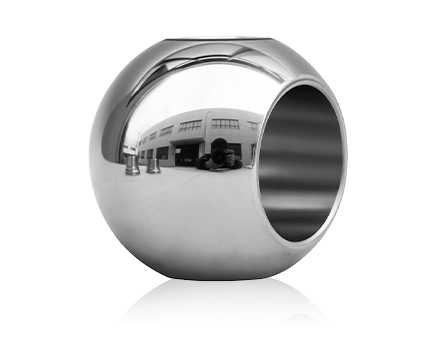
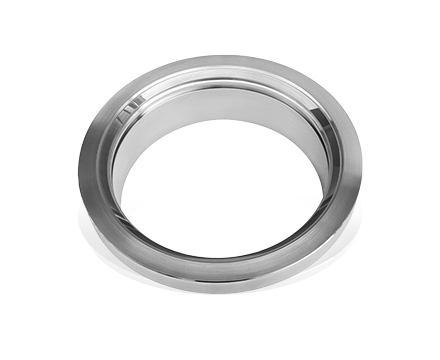
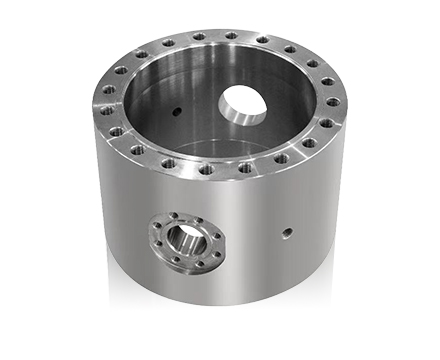
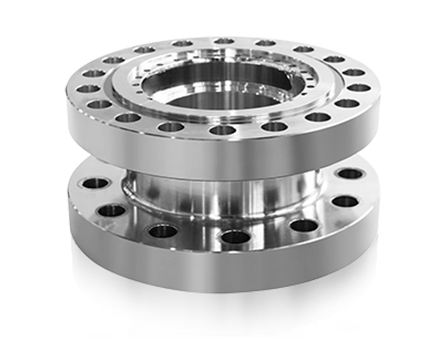
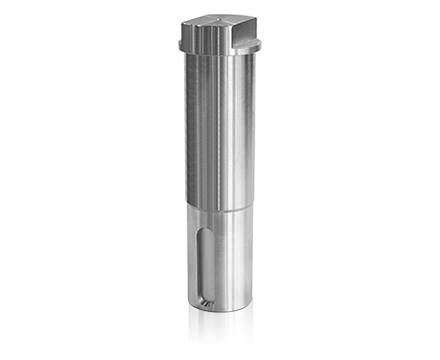
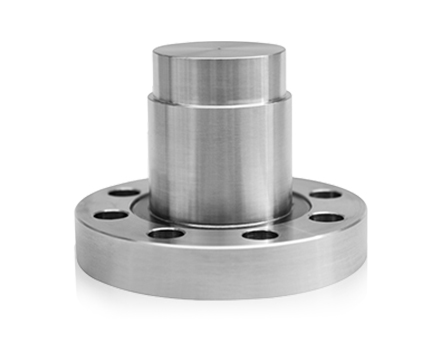
In today’s industrial supply chains, global buyers are no longer judging valves only by brand name or final appearance. Instead, more attention is being placed on critical supporting components that determine long-term reliability. Across overseas social platforms and professional engineering communities, Ball Valve Bonnet and Ball Valve Accessories are increasingly discussed as key factors influencing safety, maintenance efficiency, and overall system stability. This shift reflects a more mature and practical purchasing mindset.
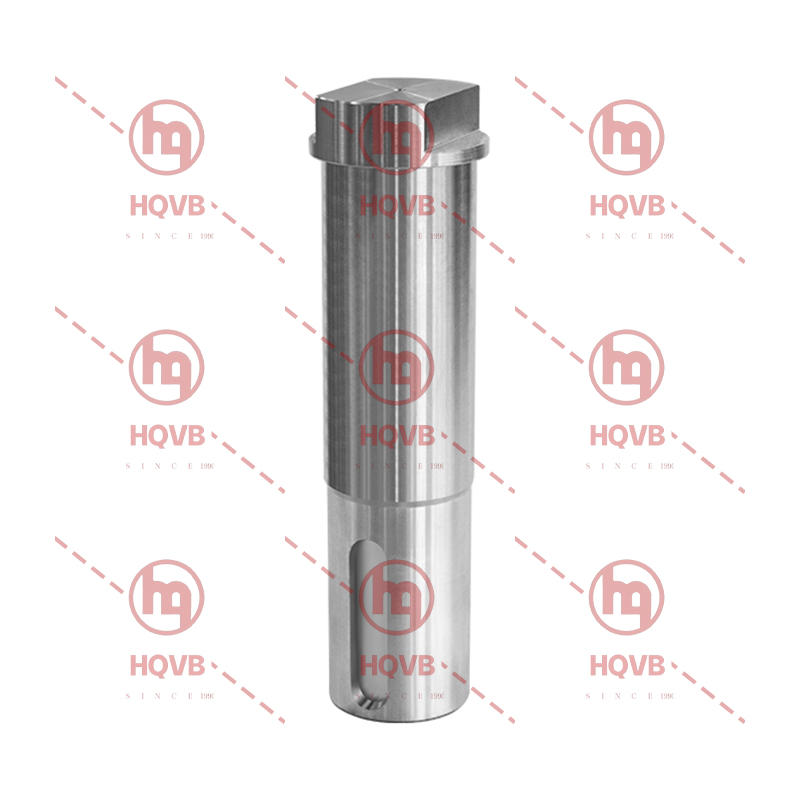
Why the Ball Valve Bonnet Is Gaining Attention
The Ball Valve Bonnet was once viewed as a purely structural part, designed mainly to contain pressure. Today, engineers and maintenance teams recognize that its design directly affects sealing integrity and service convenience.
From overseas user feedback, several bonnet-related concerns appear frequently:
- Whether the bonnet structure supports stable stem alignment
- How well it maintains sealing performance under pressure changes
- Ease of access during inspection or repair
- Compatibility with different valve configurations
As a manufacturer, we see growing demand for bonnet designs that balance strength, precision, and maintainability, rather than focusing on structure alone.
Ball Valve Accessories and Their Role in Daily Operations
In parallel, Ball Valve Accessories have moved from the background to the center of procurement discussions. Components such as stems, seals, fasteners, and seat-related parts directly affect how smoothly a valve operates over time.
Overseas buyers often emphasize:
- The availability of replacement accessories
- Consistency between original and spare parts
- Ease of installation without modifying existing systems
- Long-term reliability under repeated operation
These factors make accessories an essential part of overall valve value, rather than optional extras.
Maintenance Efficiency Is Driving Component-Level Decisions
One recurring theme in global engineering discussions is maintenance efficiency. Downtime is costly, and complex servicing procedures are increasingly seen as a disadvantage.
A well-designed Ball Valve Bonnet can reduce maintenance complexity by allowing quicker access to internal components. When paired with standardized Ball Valve Accessories, routine servicing becomes more predictable and less disruptive.
Key maintenance-related advantages valued by users include:
- Faster disassembly and reassembly
- Reduced need for specialized tools
- Lower risk of component mismatch
- Shorter inspection cycles
These practical benefits often influence repeat purchasing decisions.
Application-Driven Expectations Are Shaping Design Choices
Different industries apply very different stress profiles to valve components. Overseas buyers now actively match Hard Seal Ball designs to application realities rather than generic specifications.
| Industry Application |
Primary Stress Factors |
Hard Seal Ball Focus |
| Energy & Power |
Thermal cycling |
Structural stability |
| Mining & Slurry |
Abrasive flow |
Surface durability |
| Chemical Processing |
Corrosive media |
Material compatibility |
Modern valve systems rely on coordinated performance between multiple components. A Ball Valve Bonnet must work seamlessly with stems, seals, and other Ball Valve Accessories to ensure stable operation.
- Buyers frequently value:
- Smooth torque transmission
- Consistent sealing pressure
- Reduced internal wear
- Predictable performance over time
This system-level approach is becoming the standard expectation in overseas markets.
Cost Awareness Is Shifting Toward Lifecycle Value
While price remains a factor, global buyers increasingly focus on total lifecycle value rather than initial cost. Discussions on professional platforms highlight the importance of components that reduce maintenance frequency and extend service life.
Reliable bonnets and well-matched accessories help support:
- Lower long-term maintenance effort
- More predictable operating schedules
- Reduced unplanned downtime
This perspective aligns closely with manufacturers who prioritize stable quality and compatibility.
Details Define Competitiveness
As industrial standards evolve, attention to component detail will continue to grow. The rising focus on Ball Valve Bonnet design and dependable Ball Valve Accessories reflects a broader trend toward reliability, maintainability, and transparency.
For manufacturers serving overseas markets, investing in component precision, standardized accessories, and clear technical communication is essential to building sustainable global partnerships and long-term competitiveness.

 English
 中文简体
中文简体
 русский
 Español
 عربى
عربى
 italiano