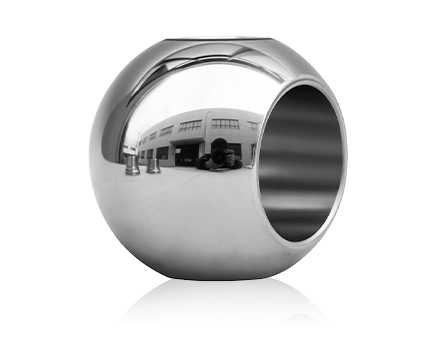
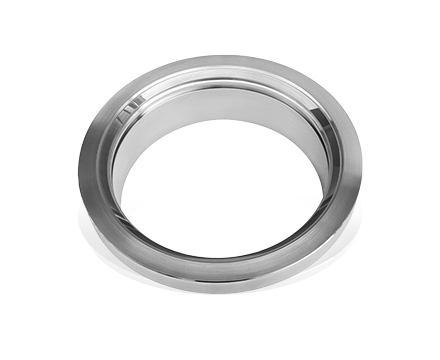
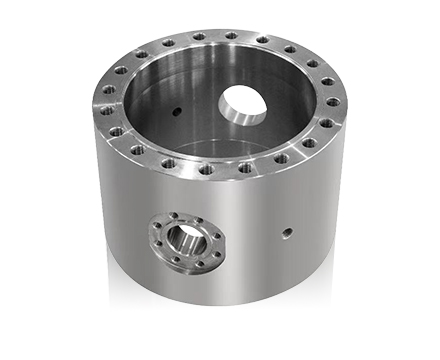
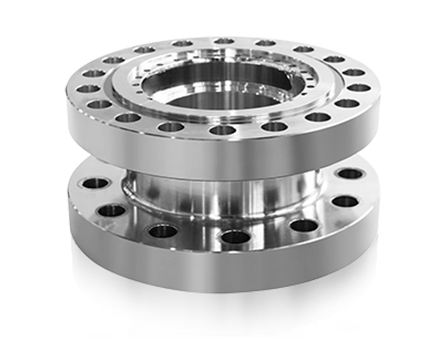
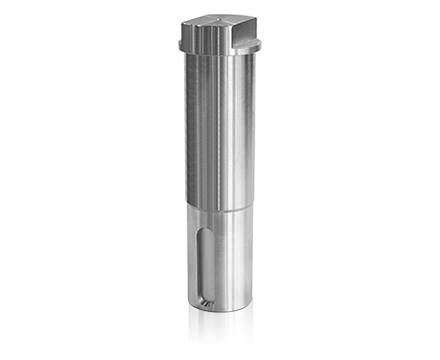
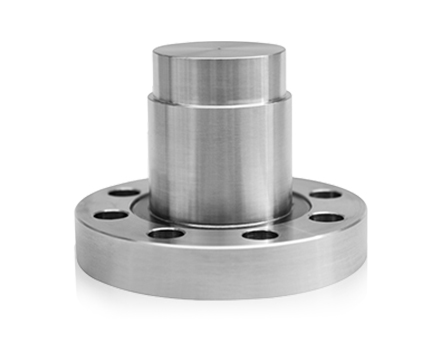
In global industrial markets, buyers are no longer evaluating valves as isolated components. Instead, attention is shifting toward the reliability of every supporting part that determines long-term performance. In this context, Valve ball factory capabilities and the performance of Hard Seal Ball components are becoming frequent discussion topics across overseas engineering forums, LinkedIn groups, and procurement-focused social platforms. Engineers, maintenance teams, and buyers increasingly agree that long-term system reliability begins with component-level precision.
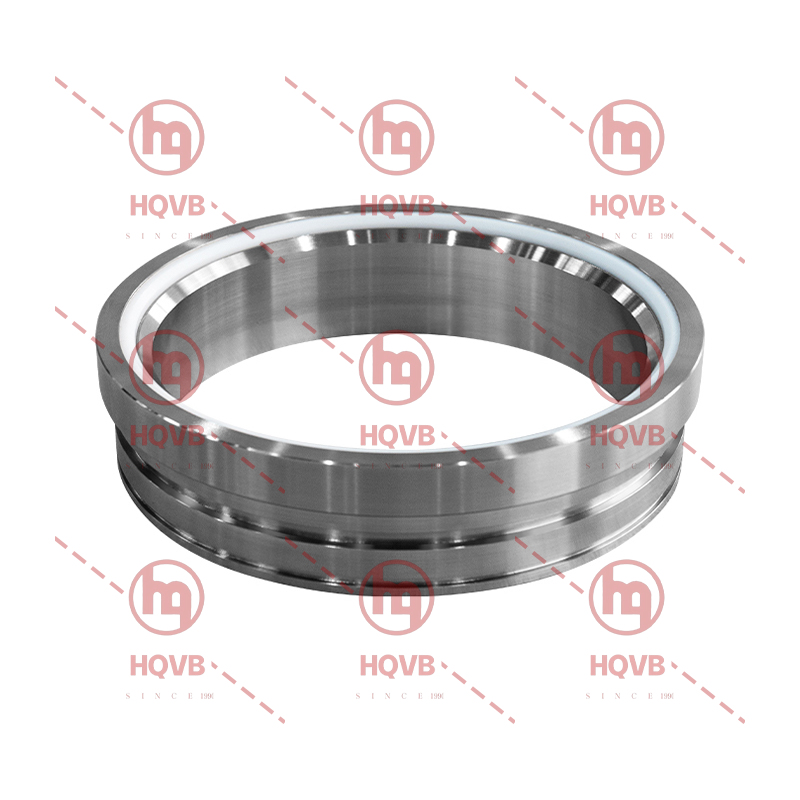
Ball Valve Bonnet: A Structural Detail with System-Level Impact
Traditionally, valve bonnets were seen as simple pressure-containing parts. Today, overseas users recognize that bonnet design directly affects valve stability, sealing consistency, and maintenance efficiency.
From discussions among field engineers, several expectations are repeatedly highlighted:
- Stable structural support to maintain stem alignment
- Reliable sealing performance under fluctuating pressure
- Smooth disassembly during routine inspection
- Compatibility with standardized internal components
For a manufacturer, these requirements reinforce the importance of machining accuracy and consistent material selection at the component level.
Why Ball Valve Accessories Influence Purchasing Decisions
Alongside core valve components, Ball Valve Accessories are increasingly influencing final purchasing choices. Buyers now understand that accessories are not optional add-ons, but essential contributors to overall valve performance.
Common concerns raised by overseas buyers include:
- Whether accessories can be replaced independently
- If spare parts are easy to source globally
- How well accessories fit existing valve systems
- Whether long-term maintenance costs can be controlled
As a result, valves designed with compatible and standardized accessories are more likely to gain long-term acceptance in international markets.
Maintenance Efficiency Is Driving Global Demand
Maintenance efficiency has become a shared priority across oil & gas, chemical processing, power generation, and water treatment industries. Online discussions frequently focus on how quickly a valve can be serviced without disrupting operations.
Key advantages valued by users include:
- Bonnet designs that allow easier internal access
- Accessories that do not require special tools
- Reduced need for complete valve replacement
- Lower operational downtime during maintenance
When these needs are met, buyers tend to prioritize long-term partnerships with manufacturers rather than switching suppliers frequently.
Application Scenarios Shape Component Expectations
Different industries apply different stress factors to valve systems, and buyers expect manufacturers to reflect this reality in their designs.
| Application Area |
Key Bonnet Expectations |
Accessory Priorities |
| Chemical Industry |
Material compatibility |
Corrosion-resistant parts |
| Water Treatment |
Easy maintenance |
Standardized fasteners |
| Industrial Utilities |
Long service life |
Interchangeable components |
This application-driven mindset is now widely discussed across overseas technical communities.
Transparency and Manufacturing Capability Matter More Than Claims
Global buyers increasingly look beyond marketing language. Instead of focusing solely on certifications, they want insight into how products are made.
From a Valve ball factory perspective, credibility is strengthened by clearly communicating:
- Manufacturing processes and machining standards
- Material sourcing and traceability practices
- Internal inspection and quality verification steps
- Compatibility testing between valve components
This transparency helps overseas customers evaluate suppliers more confidently.
System Compatibility Over Individual Components
Modern valve systems operate as integrated units. Buyers increasingly emphasize compatibility rather than isolated performance metrics.
Well-matched Ball Valve Accessories help ensure:
- Consistent torque transmission
- Stable sealing pressure over time
- Smooth operation across repeated cycles
- Reduced wear on internal components
This system-level thinking is now common in global procurement discussions.
Component Precision Will Define Competitiveness
As industrial standards continue to evolve, the value of detailed component engineering will only increase. The rising attention to Hard Seal Ball performance and factory-level manufacturing consistency highlights a broader shift toward durability, safety, and maintainability.
For manufacturers serving international markets, investing in component optimization, standardized accessories, and transparent production processes is no longer optional—it is a strategic foundation for sustainable global growth.

 English
 中文简体
中文简体
 русский
 Español
 عربى
عربى
 italiano