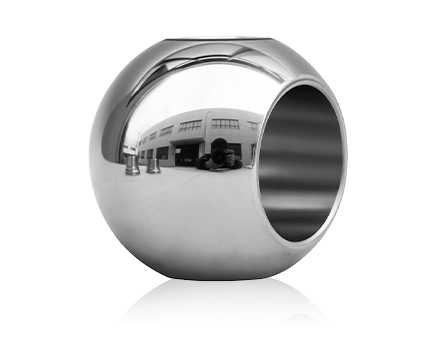
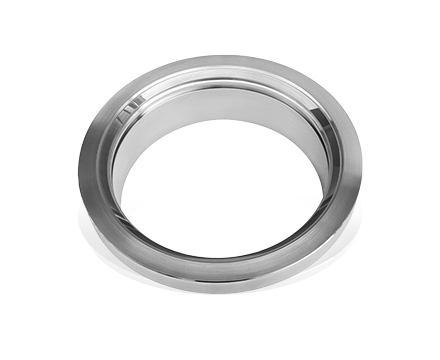
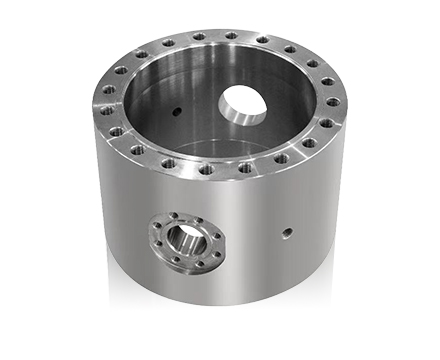
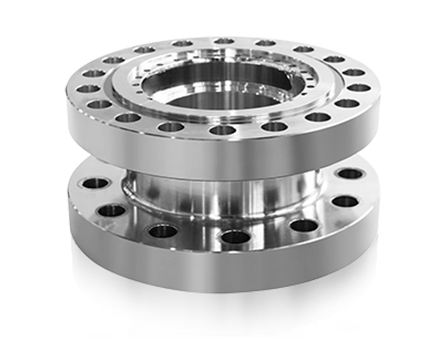
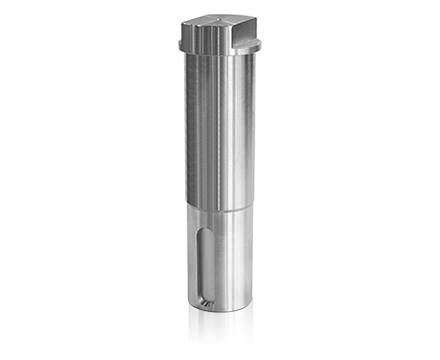
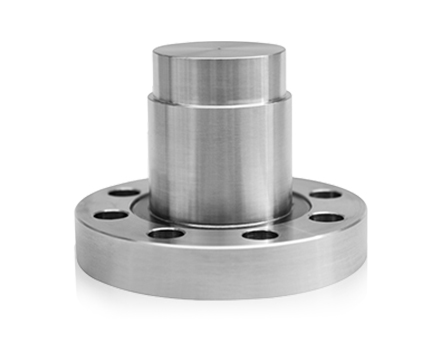
In the rapidly evolving industrial valve market, buyers are paying increasing attention to the quality and performance of internal components. The Hard Seal Ball plays a crucial role in maintaining sealing integrity under demanding conditions, while the Ball Valve Stem ensures precise movement and operational control. Together, these components define the reliability, efficiency, and durability of modern valve systems, capturing the interest of engineers and procurement professionals across global markets.
Sealing Reliability: The Core of Performance
The effectiveness of a valve depends significantly on the sealing capabilities of the internal ball. Hard seal balls are designed to maintain tight sealing over long operational cycles, which helps prevent leaks, maintain system pressure, and improve safety. Buyers from water treatment, petrochemical, and HVAC industries often emphasize this aspect when evaluating suppliers, recognizing that consistent sealing contributes directly to system stability and operational efficiency.
Precision Control Through Quality Valve Stems
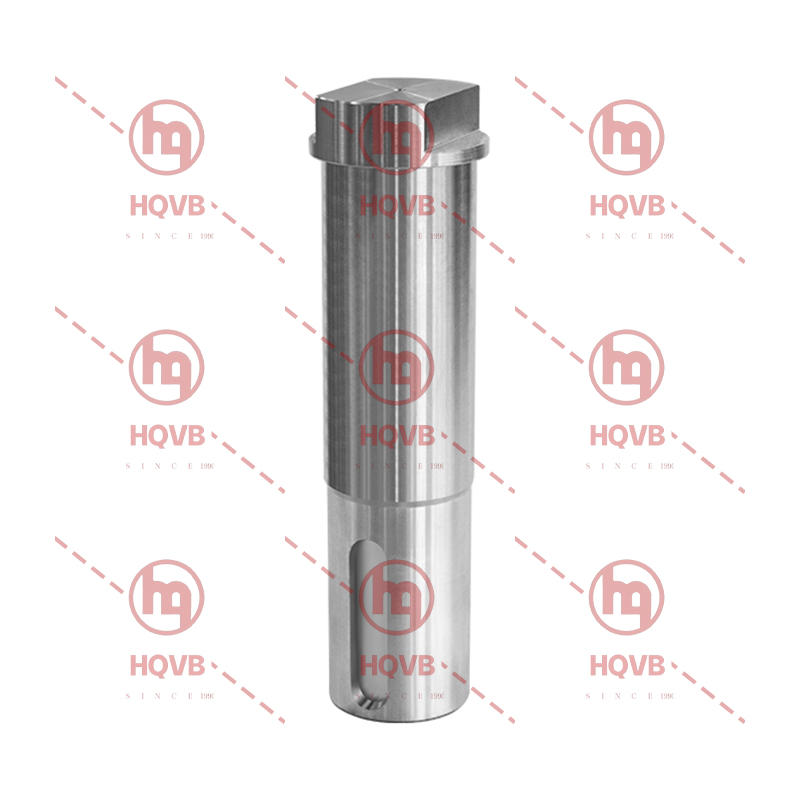
While sealing ensures integrity, operational control is enabled by the ball valve stem. Accurate stems allow smooth rotation, reduce wear on moving parts, and minimize the risk of malfunctions. Engineers globally are prioritizing stems that offer consistent torque and alignment, which translates to easier handling, safer operations, and prolonged component life. This has increased demand for stems manufactured with advanced machining techniques and precise material standards.
Material Selection and Durability Considerations
Material choice plays a pivotal role in the longevity of both hard seal balls and valve stems. Stainless steel, carbon steel, and specialized alloys are commonly preferred for their resistance to corrosion, pressure, and thermal stress. Overseas buyers are showing growing interest in suppliers who provide guidance on selecting materials tailored to specific applications, as this reduces maintenance needs and supports long-term reliability in challenging environments.
Manufacturing Excellence and Quality Assurance
Production consistency and quality assurance have become decisive factors for international procurement. Factories implementing stringent inspection standards, CNC machining, and advanced finishing processes are preferred. Buyers often rely on certifications, transparent quality processes, and the ability to replicate performance across batches. Suppliers showcasing these capabilities are more likely to secure long-term relationships with global clients.
Customization and Application Flexibility
Modern industrial projects often require components that can adapt to unique system requirements. Hard seal balls and valve stems that support custom dimensions, coatings, or surface treatments offer significant advantages. Overseas buyers increasingly value manufacturers who can tailor products to fit specific pressure ratings, flow parameters, or media types without compromising performance or lead time.
Maintenance Efficiency and Cost Effectiveness
Components designed with maintenance in mind reduce downtime and operational costs. Smooth-surfaced hard seal balls minimize friction, while robust valve stems facilitate easier disassembly and replacement. This focus on serviceability has made maintenance-friendly designs a key factor in global procurement decisions, enhancing the perceived value of high-quality internal valve components.
Emerging Trends in Global Valve Sourcing
International discussions highlight trends such as sustainability, lifecycle cost evaluation, and performance monitoring. Buyers are not only seeking durable components but also suppliers who provide reliable technical support and transparent product information. Understanding these market expectations helps manufacturers align their production, marketing, and customer service strategies with the evolving needs of global clients.
Prioritizing Hard Seal Balls and Ball Valve Stems
The emphasis on internal components demonstrates a clear shift in global valve procurement. A well-engineered Hard Seal Ball combined with a precisely manufactured Ball Valve Stem ensures superior sealing, reliable control, and long-term operational stability. Suppliers who invest in quality, customization, and transparent processes are positioned to meet the expectations of overseas markets and secure a competitive advantage in today’s industrial valve sector.

 English
 中文简体
中文简体
 русский
 Español
 عربى
عربى
 italiano