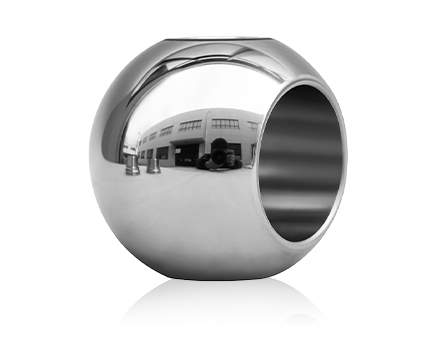
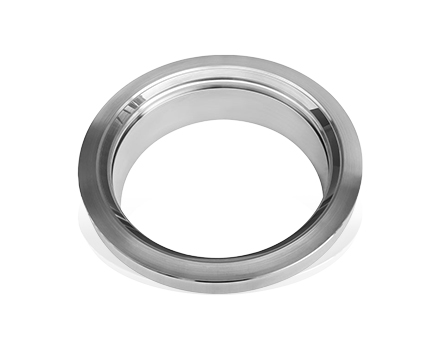
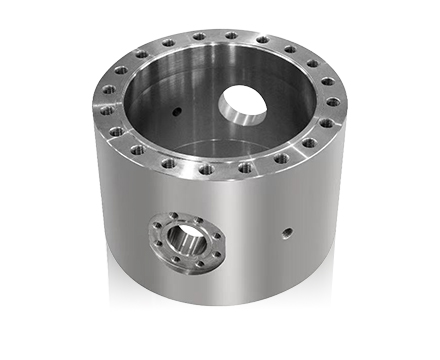
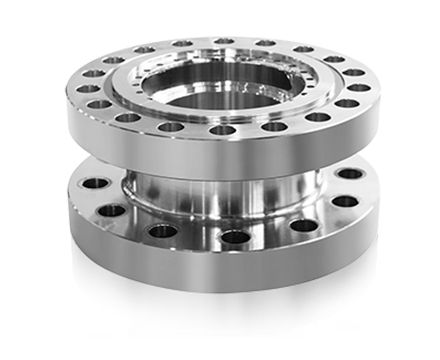
A valve on a pipeline can look identical to its neighbor and still behave very differently after a few years in service. One keeps sealing through pressure swings and temperature changes. The other weeps at a joint or binds when the actuator calls for movement. The difference often starts with the Body of Valve. It is the pressure-containing structure, the support for the ball and seats, and the passage the medium travels through. Pressure resistance, leakage control, corrosion protection, and service life all depend on how well it is designed, made, and inspected.
What the Body of Valve Actually Does
The body is the main structural enclosure of a ball valve. It holds the ball, provides pockets for the seats, connects with the stem assembly, and forms the internal route for the medium. It is an active part of the pressure system, not a cover.
The body supports several functional parts:
- Ball: rotates to open or close the flow passage.
- Seats: provide the contact surfaces for shutoff around the ball.
- Stem assembly: transfers operating force to the ball.
- Body cavity: gives space for installation and movement of internal parts.
- End connections: join the valve to the pipeline.
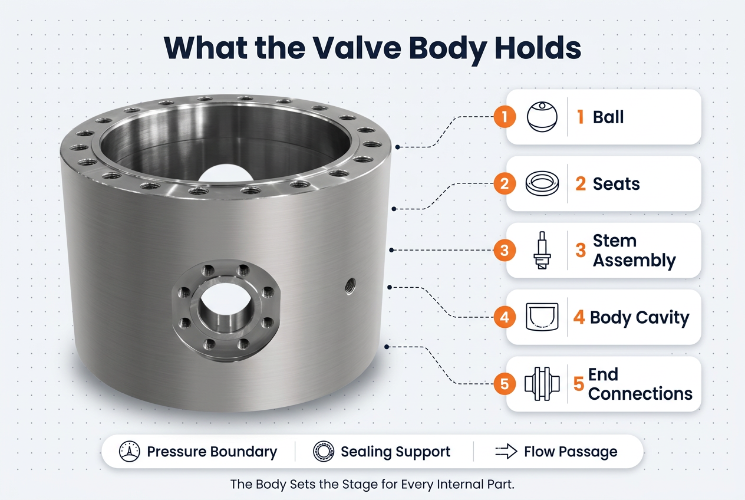
Each part depends on the body for position and support. Inconsistent body dimensions disturb internal alignment, which causes trouble during assembly and later in operation.
As the main pressure boundary, the body must contain the process medium without losing structural integrity. That calls for suitable wall thickness, material strength, connection geometry, and manufacturing quality. Material choice alone does not settle the question, because the design must reflect the specified pressure and temperature.
How the Body Shapes Reliability
Reliability does not come from the ball or seat alone. The body sets the conditions in which they work.
Pressure Resistance
Internal pressure loads the housing continuously, and the body must hold its geometry within design limits. Material grade, wall thickness, geometry around the ball cavity, connection and bolting design, and manufacturing defects all matter. A mismatch between specification and actual service can cause deformation, leakage, or failure.
For purchasing, evaluate the pressure class together with the material, temperature range, design standard, and end connection.
Sealing Support
Sealing depends on the relationship among ball, seats, and body cavity. Seat pocket dimensions must match the approved design, internal surfaces must meet machining requirements, and contact areas must keep suitable geometry. Joints and external connections need appropriate sealing arrangements too.
If the body deforms under pressure or temperature change, the ball-to-seat relationship shifts. Body accuracy and sealing component quality therefore belong to one engineering system.
Flow Passage
Passage geometry decides how the medium moves when the valve is open. A poorly matched passage adds flow resistance, turbulence, or pressure loss. Bore diameter, alignment, surface condition, and the transition to the pipeline all play a part. A full-port design follows the pipeline diameter closely, while reduced-port designs suit installations with different flow needs.
Corrosion Resistance
The medium acts on the internal surfaces constantly, through chemical attack, localized corrosion, erosion, or material degradation. Consider medium composition, moisture and contaminants, temperature, pressure, suspended particles, and maintenance conditions. Corrosion in pressure-containing sections can compromise the whole assembly, so a compatible material and suitable surface protection reduce risk.
Choosing the Body Material
Material affects strength, corrosion resistance, temperature suitability, manufacturing needs, and purchase cost. No single material suits every process.
| Material |
Characteristics |
Typical Use |
| Stainless steel |
Corrosion resistance, durability |
Chemical processing, water treatment, industrial fluids |
| Carbon steel |
Mechanical strength, broad applicability |
Oil pipelines, gas systems, general industry |
| Alloy steel |
Properties tailored to temperature and load |
Specialized process and energy systems |
Stainless steel bodies suit corrosion-sensitive service, though performance depends on the grade and the medium. Chloride content, acidity, and temperature all change the picture. Verify the actual grade, because stainless bodies are not interchangeable.
Carbon steel appears in many pipeline systems for its strength and manufacturing flexibility. It needs careful review when the medium is corrosive or outdoor exposure creates a risk. Coatings, compatible specifications, and maintenance routines form part of the protection plan.
Compare more than price. Review pressure-temperature rating, material suitability at working temperature, compatibility with the medium, mechanical load, inspection and replacement needs, and conformity with project standards. A body that works in a water line may not suit a chemical process or a cryogenic installation.
Cast or Forged Body
Casting and forging influence internal material structure, available geometry, and inspection routines.
A cast body is made by pouring molten metal into a mould. This supports complex cavities and shapes. Control mould design, melting conditions, and cooling, then inspect for porosity, shrinkage, and inclusions. Undetected internal defects can weaken the pressure boundary, so verification matters.
A forged body is shaped by controlled compressive force, which can give a dense structure suited to certain mechanical demands. Raw material quality, forging temperature, deformation control, heat treatment, and machining accuracy all count. Forging does not guarantee reliability by itself, since final quality still depends on material, process, design, and inspection.
| Comparison |
Cast Body |
Forged Body |
| Method |
Mould-based forming |
Controlled plastic deformation |
| Geometry |
Suits complex shapes |
Depends on forging design |
| Control focus |
Casting defects |
Forging process |
| Inspection |
Porosity, shrinkage, inclusions |
Material integrity, forging flaws |
Decide from the approved design, pressure rating, material specification, production capability, and inspection plan, not from an assumption about price or properties.
Machining and Inspection
Machining turns a raw casting or forging into a working body. Cavity dimensions, connection surfaces, and sealing areas all take shape here.
The ball cavity needs clearance for the internal assembly and the geometry of the approved design. Seat pockets deserve particular care, since inconsistency affects seat installation, positioning, and sealing. Sealing surfaces need controlled geometry and finish. Check finish, flatness and tolerances where specified, concentricity, contact surface condition, and compatibility with mating parts. Machining errors can undermine assembly even when raw material meets specification.
A traceable process links material verification, machining records, inspection results, and final acceptance.
| Stage |
Control Focus |
| Material receiving |
Grade verification, traceability |
| Casting or forging |
Process control, defect inspection |
| Heat treatment |
Compliance with requirements |
| CNC machining |
Dimensional accuracy, finish |
| Component inspection |
Critical dimensions, visual condition |
| Final testing |
Applicable pressure and function tests |
Follow the governing standard, approved drawings, and purchase specification. For critical service, request inspection records, material certificates, and non-destructive testing documents.
Selecting a Reliable Body
Nominal size and price alone hide differences in material compatibility, pressure containment, and manufacturing quality.
| Industry |
Main Considerations |
Selection Focus |
| Oil and gas |
Pressure, fluid composition |
Structural integrity, material compatibility |
| Petrochemical |
Chemical exposure, temperature swings |
Corrosion resistance, sealing support |
| Water treatment |
Water chemistry, outdoor exposure |
Material choice, protective coatings |
| Steam |
Temperature and pressure |
Temperature-rated materials |
| LNG |
Cryogenic conditions |
Low-temperature suitability, dimensional stability |
| Industrial pipelines |
Continuous duty, maintenance access |
Rating, connection design, durability |
Thermal contraction in LNG service changes component dimensions and sealing relationships, so a body made for ordinary service should not be assumed suitable without engineering verification.
When sourcing OEM components or complete valves, look at the manufacturing process, not only the product description. Ask about material sourcing and traceability, casting and forging control, CNC machining, sealing surface capability, dimensional inspection, pressure testing, and support for custom drawings. A supplier should be able to explain how a body is produced and how its critical features are checked.
Initial price is only part of the cost. Leakage, material degradation, and unplanned maintenance add expense later. Weigh compatibility with the medium, pressure and temperature compliance, documentation, expected maintenance, replacement part availability, and technical support.
Discuss Your Requirements
Choosing a suitable Body of Valve starts with clear knowledge of operating conditions, materials, structure, and manufacturing expectations. Engineering contractors, valve distributors, and industrial buyers should settle these points before production begins.
When sending an inquiry, include:
- Material and grade
- Nominal size and pressure class
- Operating medium and temperature
- Connection type and structural requirements
- Drawings or technical specifications
- Inspection and documentation requirements
Contact our team to discuss ball valve body specifications, cast and forged components, precision machining, and OEM requirements for your project.

 English
 中文简体
 русский
 Español
 عربى
 italiano