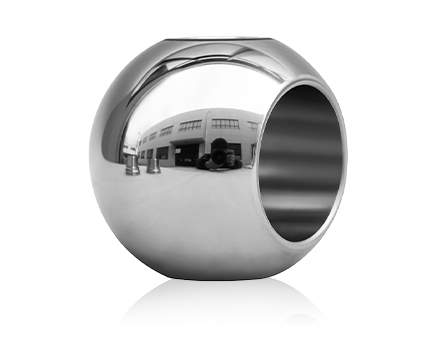
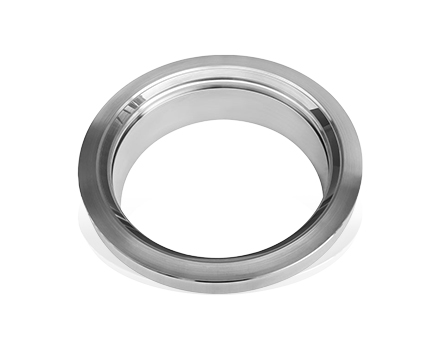
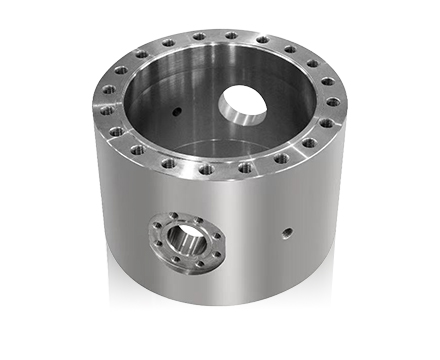
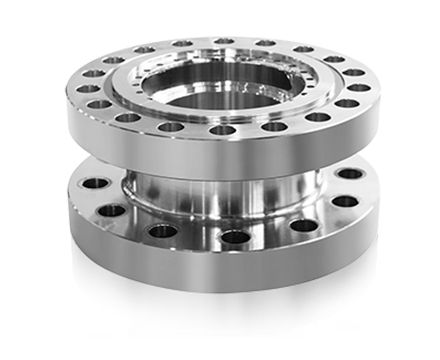
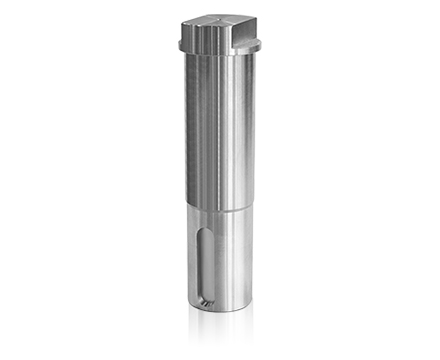
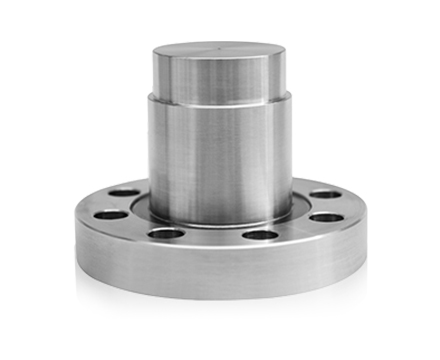
A damaged valve doesn't always mean the whole unit has to go. But finding a spare that fits takes more than matching the nominal pipe size. When a maintenance team looks at a Body of Valve for an existing ball valve, they have to check dimensions, material, pressure rating, connection style and the internal assembly. A replacement can look almost identical to the original and still differ in ways that matter for installation, sealing and service conditions. For maintenance engineers and buyers, knowing these compatibility points helps avoid wrong purchases, field modifications and downtime that could have been prevented.
What Does Ball Valve Body Interchangeability Mean?
Interchangeability means one valve body can take the place of another. The piping, the internal parts and the operating requirements must all still work with it.
The body is the main pressure-containing part of a ball valve. It holds the ball, the seats, the stem connection and the other internals. Its design decides how those parts fit together and how the finished valve behaves in service.
Fitting into the line is only half the story. The new body also has to meet the mechanical and operating demands of the existing equipment.
Physical Compatibility and Functional Compatibility Are Different
Physical compatibility asks whether the replacement fits the installation. It covers:
- Overall body dimensions and mounting clearances
- Face-to-face length and connection positions
- Flanged, threaded or welded end configurations
- Internal cavity dimensions and component interfaces
Functional compatibility asks whether the replacement can handle the same service. It covers:
- Pressure and temperature requirements
- Material resistance to the process medium
- Seat and sealing arrangements
- Fit with the ball, stem and actuator assembly
A body can drop into the pipeline and still be wrong for the job. Check both kinds of compatibility before approving anything.
Why Does Interchangeability Matter During Maintenance?
Maintenance crews often have to get equipment running again without swapping out a full valve assembly.
If corrosion, erosion, impact or years of service have damaged the original body, a compatible replacement can be a real alternative to buying a complete valve. It can help in several ways:
- Fewer serviceable parts get thrown away
- Existing piping stays as it is
- Spare parts spending stays under control
- Less installation work is needed
- Older equipment is easier to plan for
There is a condition, though. Replacing only the body makes sense when the other components are in good shape and the replacement design has been checked.
What Factors Affect Ball Valve Body Interchangeability?
Several engineering points decide whether one body can stand in for another. Look at them together. Treating each as a separate line on a purchase order invites mistakes.
Body Dimensions Must Match the Existing Installation
Dimensions come first when choosing a replacement Body of Valve.
Two ball valves of the same nominal size can still differ physically, especially across manufacturers or product series. Key dimensions include:
- Nominal pipe size and actual bore diameter
- Face-to-face or end-to-end length
- Body width and external profile
- Flange dimensions and bolt-hole pattern
- Internal cavity dimensions
- Stem position and mounting clearance
Take a body with matching flanges but a different face-to-face length. It may force piping changes or extra alignment work on site.
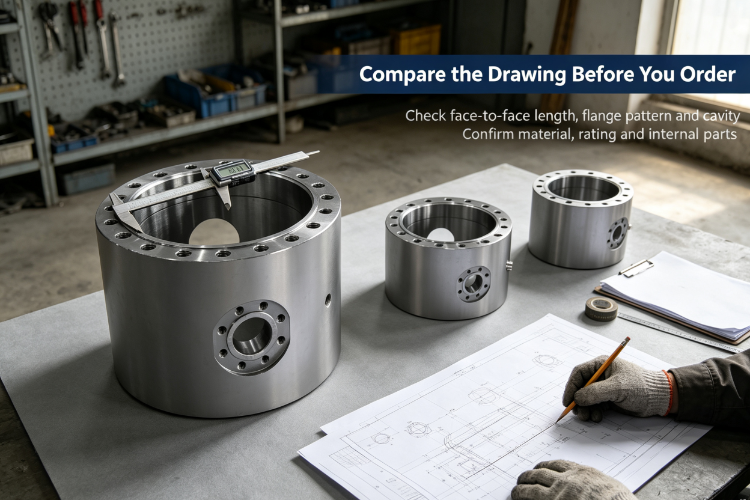
Compare the original engineering drawing with the drawing of the proposed replacement. If the original paperwork is gone, measurements taken from the installed valve can fill the gap.
Body Material Determines Service Compatibility
Body material affects corrosion resistance, pressure capacity, temperature limits and mechanical strength.
Different services call for different materials. Picking a replacement by looks, or by a loose material description, can cause trouble later.
| Body Material |
Typical Application Considerations |
| Carbon steel |
General industrial services where mechanical strength matters |
| Stainless steel |
Applications that need corrosion resistance |
| Cast iron |
Selected water and utility systems |
| Forged steel |
Valve designs with specific strength and manufacturing needs |
| Alloy steel |
Services with particular temperature and mechanical demands |
Base the choice on the process medium, operating temperature, pressure and the applicable engineering specifications. The new material must also work with the rest of the original assembly, since differences in properties can affect how parts interface and how the valve performs.
Pressure Rating and Temperature Requirements Must Be Verified
The body has to withstand the pressure and temperature of the system it sits in. Similar dimensions or the same connection type don't make two ratings equal.
When reviewing a replacement, buyers should check:
- Nominal pressure class
- Applicable pressure-temperature rating
- Body material specifications
- Design and testing requirements
- Intended operating conditions
Material and pressure rating are tied together. The same material allows different pressures at different temperatures. A pressure class checked without the operating temperature is only a partial assessment.
The replacement should meet the original equipment requirements and the relevant engineering specifications.
End Connections and Port Configurations Affect Installation
End connections decide how the body joins the pipeline. Don't assume different types will fit, even at the same valve size. Common designs are:
- Flanged ends
- Threaded ends
- Socket weld ends
- Butt weld ends
On flanged connections, verify the flange standard, facing, dimensions and bolt pattern. On threaded ones, thread type, size and engagement must match. On welded ones, consider end preparation and whether it suits the existing pipe material.
Port configuration counts too. A full-port ball valve and a reduced-port one have different internal flow passages. Swapping one for the other changes the flow area and can upset the intended process arrangement.
Body Construction Influences Component Replacement
Ball valves come in several body constructions, and each has its own assembly layout and service needs.
| Body Construction |
Design Characteristics |
Replacement Considerations |
| One-piece body |
Integrated body construction |
Internal access and assembly compatibility |
| Two-piece body |
Body built from separate sections |
Joint dimensions and sealing interfaces |
| Three-piece body |
Central body section with separate end connections |
Body length, tie-bolt arrangement and seat compatibility |
| Split-body design |
Body divided into sections |
Joint structure, bolting and gasket arrangement |
The replacement should follow a compatible assembly design. A three-piece body can't automatically replace a two-piece one. Their connection layouts, internal dimensions and assembly needs may be quite different.
Also ask whether the installation leaves enough room for disassembly and servicing.
Internal Components and Sealing Arrangements Must Be Compatible
The body works with several internal parts, and their dimensions and interfaces decide whether a new body can be used with the existing assembly.
- Ball: Its dimensions and surface arrangement must fit the body cavity and seat assembly.
- Valve seats: Seat geometry and material must match the intended sealing arrangement.
- Stem: The stem interface must fit the body and connect properly to the operating mechanism.
- Gaskets: Sealing dimensions and material must suit the body joints.
- Packing and seals: These must fit the relevant sealing areas.
A body can match on the outside and still have a different internal cavity. That may stop the original ball or seat assembly from seating correctly. Before buying a body-only replacement, confirm the whole internal configuration.
How Do Different Ball Valve Configurations Affect Interchangeability?
Some compatibility requirements can't be seen from outside measurements. Knowing the differences helps maintenance staff avoid buying from an incomplete product description.
Different Manufacturers May Use Different Body Designs
Two makers can offer valves with the same nominal size, pressure class and connection type. Their bodies and internals can still differ.
| Comparison Item |
Possible Design Differences |
| External dimensions |
Body length, width and profile |
| Internal cavity |
Ball clearance and seat positioning |
| Stem connection |
Stem dimensions and mounting arrangement |
| Sealing system |
Seat and gasket geometry |
| Body joints |
Bolting and connection arrangements |
This matters most when replacing discontinued models or sourcing alternative spares. A cross-reference built only on nominal size won't do. Ask for dimensional drawings and written technical confirmation.
Manual and Actuated Ball Valves Have Different Interface Requirements
Manual ball valves usually run by lever or gearbox. Actuated ones may add a pneumatic or electric actuator, mounting brackets, couplings and other accessories.
When replacing the body, check:
- Stem dimensions and connection geometry
- Actuator mounting compatibility
- Bracket and coupling arrangements
- Operating torque requirements
- Available installation clearance
If the new body changes the stem interface, you may need extra parts or a different actuator setup. Settle this before you order, not after the box arrives.
Existing Equipment May Require More Than a Standard Replacement
Older plants bring their own sourcing problems. Original drawings may be lost, product lines may have changed, and the valve may be a custom build.
In those cases, gather as much physical and technical information as you can. Photos, nameplate details, measurements and maintenance records all help a supplier pin down a suitable configuration.
How Can You Verify Body of Valve Compatibility Before Purchasing?
A structured check keeps the wrong spare out of the maintenance workflow.
Identify the Existing Valve and Its Original Configuration
Start with the installed valve. Collect:
- Manufacturer and product model
- Valve size and pressure class
- Body material
- End connection type
- Body construction
- Original equipment documentation
If the nameplate is damaged or missing, use equipment records and a physical inspection to work out the configuration.
Compare Drawings and Critical Dimensions
Ask for a technical drawing of the proposed replacement body, then compare it with the original documentation. Pay close attention to:
- Face-to-face dimensions
- Flange or threaded connections
- Body cavity dimensions
- Stem mounting position
- Internal component interfaces
Where the drawings differ, ask the supplier whether the difference affects installation or assembly.
Confirm Material and Operating Requirements
Check that the replacement suits the real application. Review the process medium, pressure, temperature and material requirements, and confirm the proposed material is backed by the right technical documents.
A similar material description is not proof of equal service suitability.
Check Compatibility With Existing Valve Components
Before settling on a body-only replacement, inspect the existing internal parts and compare their specifications with the new body design. That means the ball, seats, stem and seals.
If the original components can't be matched, consider whether a compatible internal repair kit or a complete valve is the better choice.
Request Technical Documentation From the Supplier
A supplier should be able to supply documents that support your assessment.
| Document |
Purpose |
| Technical data sheet |
Confirms product specifications |
| General arrangement drawing |
Shows external dimensions and configuration |
| Sectional drawing |
Illustrates the internal assembly |
| Material certificate |
Supports material identification |
| Pressure testing records |
Gives evidence of specified testing |
| Bill of materials |
Identifies component materials and construction |
Agree on which documents are needed, and how they will be verified, before the purchase order is final.
What Should Buyers Consider When Sourcing Replacement Valve Bodies?
Technical fit is one part of procurement. Buyers also weigh supplier capability, documentation, spare parts availability and long-term maintenance needs.
Plants now rely more on equipment records and condition-based inspection, so accurate component identification has become a core part of spare parts management. A valve due for replacement may be flagged by an inspection, a maintenance log or monitoring data. The purchase still depends on confirming the actual mechanical configuration.
Prepare Complete Specifications Before Sending an Inquiry
Detailed information lets a supplier assess the need without guessing. A useful inquiry package includes:
- Existing valve model and manufacturer
- Nominal size and pressure rating
- Body material and construction type
- End connection specifications
- Operating pressure and temperature
- Process medium
- Available photographs and drawings
- Required internal components
If some specifications are unknown, say so plainly. Don't estimate them.
Supplier Technical Support Matters During Replacement
When a customer needs a replacement Body of Valve, the supplier should offer more than a catalog description. Useful support includes:
- Reviewing existing valve specifications
- Comparing replacement dimensions
- Pointing out differences between valve configurations
- Confirming material and pressure requirements
- Providing drawings and product documentation
- Discussing body-only and complete valve options
For non-standard or discontinued equipment, good communication among the buyer, the maintenance team and the supplier is essential. A clear technical review can catch compatibility problems before manufacturing or shipment.
Should You Replace the Valve Body or the Complete Valve?
The answer depends on the condition of the current assembly and whether compatible parts are available.
| Replacement Option |
Suitable Considerations |
| Body-only replacement |
Internal components are still serviceable and compatibility is confirmed |
| Body and internal component replacement |
Existing seats, ball, stem or seals also need replacing |
| Complete valve replacement |
The original configuration can't be verified, or the assembly is badly damaged |
Body-only replacement is worth considering when the original valve design is documented and the replacement interfaces have been checked. If the valve has extensive internal damage, or its configuration can't be established, replacing the whole assembly is often easier to manage.
Find a Replacement Body of Valve That Fits Your Equipment
Choosing a replacement valve body means paying attention to dimensions, materials, connections, pressure requirements and internal assembly details. A component that looks the same won't necessarily fit an existing installation.
We know industrial buyers need parts that match actual equipment requirements, not generic product descriptions. Our team can review your existing valve configuration, check technical specifications and discuss suitable Body of Valve options for maintenance and spare parts procurement.
Looking for a replacement ball valve body? Send us your existing valve model, product photos, technical drawings or whatever specifications you have. Contact our team to discuss your replacement requirements and identify a configuration that suits your equipment.

 English
 中文简体
 русский
 Español
 عربى
 italiano