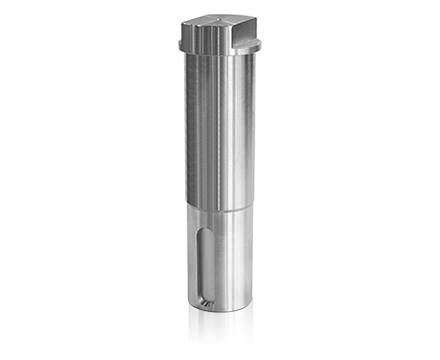
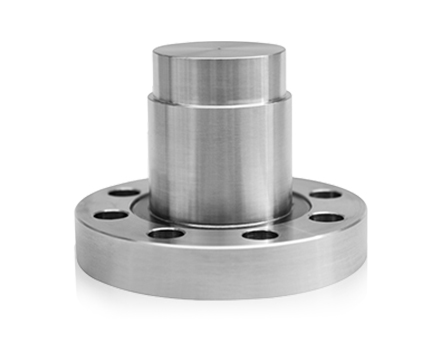
In pipeline systems, a valve is usually expected to work quietly for a long time without drawing attention. It opens when needed, closes when required, and stays stable under changing working conditions. Among the internal parts of a ball valve, the bonnet is one of those components that does not directly control flow, but still plays a steady role in keeping the structure together.
When everything is running normally, it is easy to overlook this part. But when systems are designed, repaired, or replaced, the bonnet becomes a detail that cannot be ignored. Choosing the right type is not just about fitting a part into place. It is about matching the valve structure with real working conditions.
Understanding the Role Before Selection
Before choosing a bonnet type, it helps to understand what it actually does in a ball valve.
Inside the valve, the bonnet closes the body opening and holds internal parts in position. It supports the stem, keeps sealing elements in place, and helps maintain pressure containment.
In simple terms, it is part of the structure that keeps everything stable.
Different working environments place different demands on this part. That is why selection is not one fixed answer. It depends on how the system behaves over time.
Why Bonnet Selection Matters in Real Systems
At first glance, bonnet design may look like a small detail compared to the whole valve. But in actual operation, it influences several long term behaviors.
Some of these include:
- Stability of sealing over time
- Ease of maintenance access
- Response to pressure changes
- Structural consistency under operation
- Interaction with surrounding pipeline conditions
If the selection does not match the working environment, the system may still function, but maintenance or performance changes may appear earlier than expected.
Main Types of Ball Valve Bonnets
Different bonnet structures are used in different situations. Each one has its own way of connecting, sealing, and being maintained.
1. Bolted Connection Type
This structure uses bolts and nuts to connect the bonnet to the valve body. It is widely used in many industrial systems.
It allows the bonnet to be opened when internal inspection is needed, which makes maintenance more manageable in many cases.
Typical characteristics:
- Suitable for systems that require periodic inspection
- Connection can be reopened when needed
- Sealing depends on gasket condition and tightening consistency
- Often used in general industrial pipelines
This type is often chosen when flexibility in maintenance is part of system planning.
2. Threaded Connection Type
In this structure, the bonnet is fixed by threading into the valve body.
It is usually seen in smaller or simpler pipeline setups where internal access is less frequent.
Typical characteristics:
- Compact connection structure
- Installation process is relatively straightforward
- Maintenance access is more limited compared to bolted type
- Common in lighter duty systems
This option is often selected when system size and simplicity are important factors.
3. Welded Connection Type
In this case, the bonnet is permanently attached through welding. Once installed, it is not intended to be frequently removed.
This structure focuses more on long term sealing stability.
Typical characteristics:
- Strong fixed connection
- Minimal external leakage risk at joint
- Limited access for internal maintenance
- Used in systems where stability is prioritized over frequent opening
It is often applied in environments where maintenance interruption is not preferred.
4. Pressure Assisted Sealing Type
This design uses internal pressure to improve sealing performance. As system pressure increases, the sealing effect becomes tighter.
Typical characteristics:
- Sealing performance changes with system pressure
- Suitable for systems with varying operating conditions
- More complex internal structure
- Used in demanding industrial environments
This type is selected when sealing consistency under changing conditions is required.
5. Integrated Union Style
This structure allows the bonnet to be removed as a complete unit without fully disturbing the main valve body connection.
Typical characteristics:
- Easier removal during maintenance
- Useful in compact installations
- Balanced between access and sealing stability
- Often used in smaller pipeline systems
This option is often chosen when space and maintenance convenience are both important.
Key Factors in Selection Process
Choosing a bonnet type is not only about structure. It is also about how the system behaves in real conditions.
Below are practical points that usually influence selection decisions.
1. Working Pressure Behavior
Every pipeline system has its own pressure pattern. Some remain relatively stable, while others fluctuate depending on operation cycles.
When pressure changes frequently, the sealing interface experiences repeated stress. In such cases, connection stability becomes more important.
Points to consider:
- Whether pressure stays steady or changes often
- How sealing responds to repeated cycles
- Whether structure can maintain contact stability
2. Maintenance Expectation
Maintenance frequency plays a big role in selection.
Some systems require regular inspection, while others are designed for long periods without opening.
Considerations include:
- Ease of opening and closing
- Time needed for inspection
- Sealing condition after repeated maintenance
- Access space around installation area
If maintenance is expected, designs that allow easier access are usually more practical.
3. Fluid Characteristics
The type of medium passing through the valve affects internal behavior over time.
Different fluids interact differently with sealing materials and internal surfaces.
Examples of considerations:
- Clean fluids with minimal impact
- Fluids with chemical interaction
- Media containing particles
- Gas based systems with pressure variation
Fluid behavior can slowly influence sealing performance and internal wear patterns.
4. Temperature Variation in Operation
Temperature changes are common in many systems. They may happen during startup, shutdown, or process adjustment.
Repeated temperature changes can cause:
- Small expansion and contraction cycles
- Slight movement between connected parts
- Gradual adjustment of sealing contact
Selection should consider how often temperature changes occur in real operation.
5. Installation Environment
Where the valve is installed also matters.
Space limitations, accessibility, and surrounding equipment can all influence selection.
Points to think about:
- Is there enough space for maintenance tools
- Is the valve easy to reach
- Are there nearby vibration sources
- Is the installation indoor or outdoor
Environmental conditions often affect long term performance more than expected.
Comparison for Practical Reference
| Type |
Maintenance Access |
Structural Behavior |
Typical Use Situation |
| Bolted |
Easier access |
Adjustable connection |
General industrial pipelines |
| Threaded |
Limited access |
Compact structure |
Light duty systems |
| Welded |
Minimal access |
Fixed structure |
Stable long term systems |
| Pressure assisted |
Moderate access |
Dynamic sealing behavior |
Changing pressure systems |
| Union style |
Convenient access |
Balanced structure |
Compact installations |
Common Mistakes in Selection
In real applications, some selection issues appear repeatedly. These are usually not design errors but practical mismatches.
Examples include:
- Choosing a structure without considering maintenance needs
- Ignoring pressure fluctuation patterns
- Overlooking installation space limitations
- Not matching fluid behavior with sealing design
- Focusing only on initial setup instead of long term use
These situations often lead to earlier maintenance or performance changes.
Practical Selection Thinking Approach
Instead of focusing only on technical labels, selection is usually easier when thinking in practical terms:
- How often will the system be opened
- What kind of environment it operates in
- How stable the working conditions are
- Whether access is easy or limited
- What kind of long term behavior is expected
This approach helps align valve structure with actual working reality.
Application Scenarios in Real Systems
Different bonnet structures are used across many industries:
- Water distribution networks
- Chemical processing lines
- Industrial manufacturing systems
- Energy related pipelines
- General fluid transport systems
Each application places different expectations on maintenance, sealing, and stability.
Long Term Behavior Consideration
Selection is not only about initial installation. It is also about how the valve behaves after long use.
Over time, factors such as pressure cycles, temperature changes, vibration, and maintenance handling all interact.
A suitable bonnet choice helps reduce unexpected changes and supports more stable long term operation.
Selecting a ball valve bonnet is not just a structural decision. It is closely connected to how the system will operate in real conditions over time.
Different designs respond differently to pressure, temperature, maintenance, and environment. There is no single structure that fits every situation.
A practical selection approach is to match bonnet type with actual working conditions instead of focusing only on appearance or basic classification.
When the selection aligns with real system behavior, the valve tends to stay more stable during long term use, and maintenance becomes more predictable and manageable.
When selecting ball valve bonnet solutions for industrial projects, consistency in production, material control, and application understanding often matters as much as product structure itself. Working with a manufacturer that focuses on valve components helps reduce communication gaps during selection and application stages.
Zhejiang Haoqiu Flow Control Technology Co., Ltd. is involved in valve and flow control related manufacturing, with attention on practical use requirements across different pipeline systems. The focus is on supporting industrial users with product options that match various working conditions, rather than only standard catalog supply.
For buyers and engineers, this kind of supply source can make selection discussions more straightforward, especially when different bonnet structures need to be matched with real system behavior.

 English
 中文简体
中文简体
 русский
 Español
 عربى
عربى
 italiano