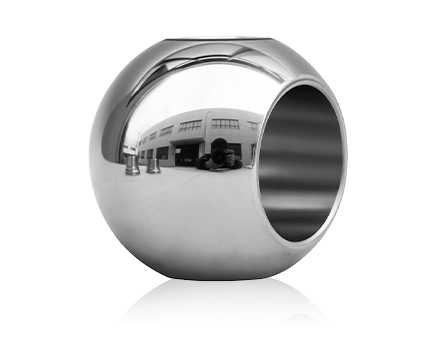
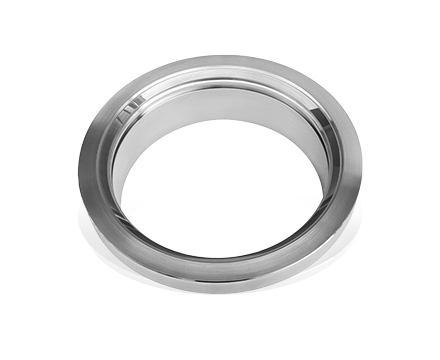
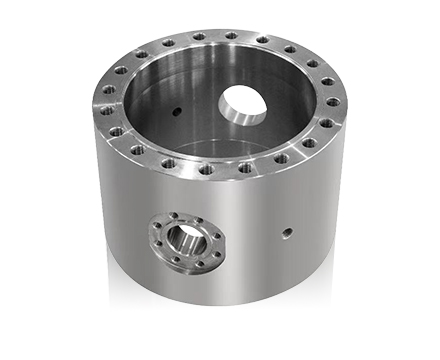
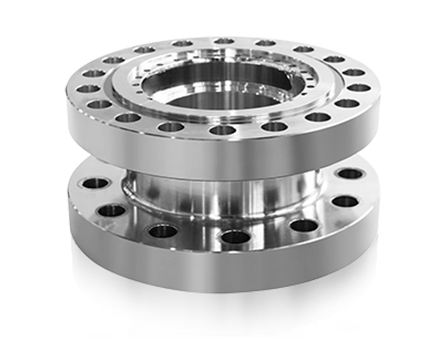
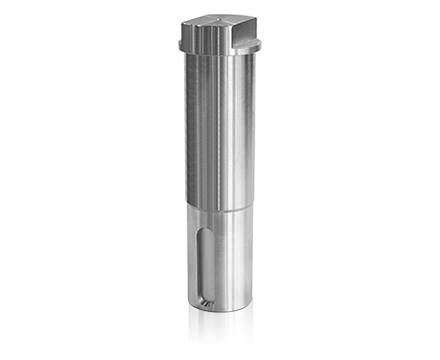
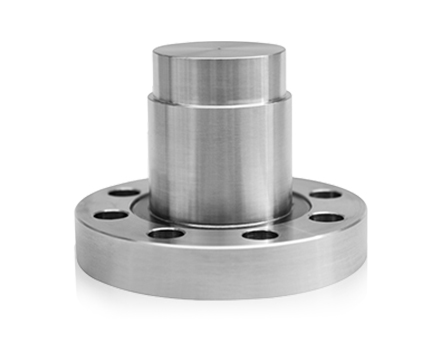
In industrial flow systems, the valve body is the part that gives the assembly its shape, support, and connection points. It sits around the moving parts, guides the flow path, and helps the valve fit into a pipeline or machine line. The outer structure may seem simple at first glance, but its design affects installation, flow behavior, service life, and maintenance.
A Ball Valve Body is often chosen with the working environment in mind. Some systems carry clean water. Others move air, oil, gas, or chemical media. Each case places different demands on the structure, the material, and the machining work behind it. Buyers usually care less about appearance and more about fit, resistance, and consistency.
For manufacturers, the main task is to match the body design to the application, then keep the shape and dimensions stable during production. That requires a clear process from raw material selection to final inspection.
What Is a Ball Valve Body and How Does Its Design Influence Valve Performance
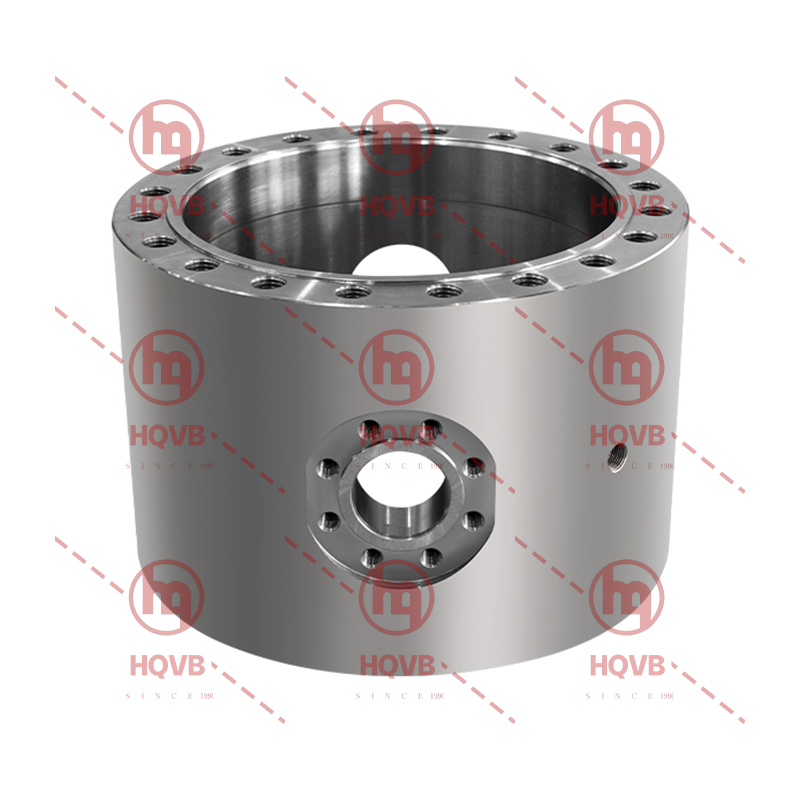
The body is the housing that holds the internal parts in place and creates the channel through which fluid passes. Its job is not limited to support. The shape of the passage, the connection ends, and the wall structure all affect how the valve behaves in use.
A compact body can help where space is tight. A structure with easier access may suit systems that need regular servicing. In both cases, the design should match the real working condition rather than follow appearance alone. That is why engineers often review connection style, internal clearances, and sealing areas before choosing a model.
A practical design usually needs to answer a few simple questions:
- Will the valve be installed in a limited space or an open system?
- Does the line require easy maintenance access?
- Is the body expected to work with stable or changing operating conditions?
These points may sound basic, but they shape how the final product performs after installation. A good fit between design and use can reduce trouble during assembly and later service.
Which Materials Are Suitable for Different Ball Valve Body Applications
Material choice is one of the first decisions in valve production. It affects resistance to corrosion, mechanical strength, and suitability for different media. Stainless steel is often used where moisture or corrosive exposure matters. Carbon steel may be selected where strength and general industrial use are the main concerns. Brass is common in some plumbing and utility settings.
| Material Type |
Common Use Consideration |
| Stainless Steel |
Suitable for corrosive or moist environments |
| Carbon Steel |
Used where strength and general industrial use matter |
| Brass |
Common in plumbing and light-duty fluid systems |
| Alloy Material |
Chosen for specific operating needs |
The material should not be chosen in isolation. Temperature, pressure, flow medium, and maintenance access all affect the decision. A material that works well in one line may be unsuitable in another. That is why buyers and manufacturers usually start with the application, not the metal name.
When the requirement is clear, the material choice becomes more straightforward. The aim is to keep the valve body stable in service and avoid unnecessary wear, distortion, or corrosion.
What Are the Differences Between Cast and Forged Ball Valve Bodies for Industrial Use
Casting and forging are two common ways to form a valve body. Each method gives the producer a different starting point and a different type of finished structure.
Casting is used when molten metal is shaped in a mold. It can handle more complex forms and is often chosen when the design calls for flexible shaping. Forging uses pressure to shape heated metal. It is a different route that changes the material form through mechanical force.
The choice between them depends on the design and the service condition. Casting may suit a body with more complex geometry. Forging may be selected when the production plan calls for another structure and forming method.
A simple comparison helps show the difference:
| Process |
General Character |
| Casting |
Useful for more complex shapes |
| Forging |
Uses force to form heated material |
For industrial buyers, the key point is not the process label itself. What matters is how the method fits the project. A manufacturer needs to consider drawing requirements, service environment, and later machining needs before choosing the route.
How Is a Ball Valve Body Manufactured From Raw Material to Finished Component
The production path usually follows a clear sequence. It begins with material selection, then moves through forming, machining, surface work, and inspection. Each stage adds something to the final result.
Raw material preparation sets the base. If the material is not suitable, later steps become harder to control. After that, the component is shaped through casting, forging, or another forming method. This gives the body its main outline.
Machining comes next. It is where the part gains accurate surfaces, matching points, and the form needed for assembly. Small differences in machining can affect how the internal parts sit and how the valve connects to the line.
Surface work may follow. Depending on the application, this can help with appearance, protection, or general finish. The final stage is inspection, which checks whether the body matches the required dimensions and condition before it moves forward.
A Ball Valve Body only performs well when each step is handled with care. If one stage is rushed, later work may not fully correct it. That is why stable production depends on process control as much as on the raw material itself.
In practice, manufacturers often focus on:
- keeping dimensions consistent,
- matching the body to the intended use,
- checking that each part fits the next step in assembly.
When these points are handled properly, the finished component is more likely to meet the needs of the system it serves.
Why Does Precision Machining Matter in Production
After the body has been formed, machining gives it the shape needed for assembly and service. This step is where the part becomes usable in a practical sense. Openings need to align, surfaces need to match, and connection areas need to fit the next parts without forcing or gaps.
Precision matters because a small error can affect the way the valve sits in a line. If the fit is uneven, the assembly may be harder to install and the internal parts may not work as intended. A well-machined body helps the valve move from one stage to the next with fewer problems.
Manufacturers usually pay attention to:
- surface smoothness at connection points,
- consistency in size and shape,
- alignment between matching areas,
- fit between the body and related components.
These details may not stand out visually, but they matter during use. A part that is shaped with care is easier to install and more stable in service.
What Quality Inspection Methods Are Used in Manufacturing
Inspection is the stage that checks whether the finished part meets the required condition before it is sent forward. It is not only about finding flaws. It is also about confirming that the production steps worked together in a controlled way.
A body can look acceptable on the outside and still have issues in fit, finish, or internal condition. That is why inspection usually looks at more than one point. The goal is to make sure the product is ready for the next stage of assembly or delivery.
| Inspection Focus |
What It Checks |
| Visual Condition |
Surface marks, visible defects, and finish quality |
| Size Check |
Whether the shape and dimensions match the drawing |
| Fit Check |
Whether connection areas and matching surfaces align correctly |
| Pressure-Related Check |
Whether the body can handle operating conditions as expected |
Different manufacturers may use different inspection routines, but the purpose remains the same. The part should be checked before it leaves production. This helps reduce problems later and gives buyers more confidence in the consistency of supply.
How to Select the Right Body Based on Pressure Temperature and Medium Requirements
Selection starts with the working condition. Pressure, temperature, and the medium moving through the system all affect what kind of structure is suitable. A body used in one environment may not perform well in another, even if the external shape is similar.
Pressure tells the manufacturer how much load the part must handle. Temperature changes can affect material behavior and sealing conditions. The medium itself matters too, because water, gas, oil, or other fluids can affect wear and compatibility in different ways.
A practical selection process often begins with a few basic questions:
- What kind of fluid or gas will pass through the system?
- Will the system run in steady conditions or changing conditions?
- Does the line need a body that fits a compact space or a more open layout?
These questions help narrow the options before production begins. When the use condition is clear, the body can be matched more closely to the job it needs to do.
The selection process is usually less about finding a universal answer and more about matching the right structure to the right environment. That is one reason buyers often work closely with manufacturers during the early stage of a project.
How to Choose a Manufacturer for Custom Industrial Projects
For custom work, the manufacturer needs to do more than supply a standard part. They need to understand the drawing, the use condition, the fitting requirement, and the level of repeatability needed for ongoing production.
A reliable manufacturer should be able to review the project clearly and communicate practical points before production starts. That includes material choice, forming method, machining scope, and inspection steps. When those areas are clear from the beginning, the project usually moves more smoothly.
The following points are often checked during supplier selection:
- ability to handle custom shapes and sizes,
- consistency in machining and finishing,
- control over inspection during production,
- communication on material and process choices,
- experience with industrial use conditions.
A custom project often depends on details that are easy to overlook. Even small changes in design can affect how the final part fits into the system. For that reason, the supplier should be able to respond to drawings and application needs with care rather than offering a fixed answer for every case.
In industrial purchasing, the goal is to find a manufacturing partner that can support both the part design and the service condition. When the production process is organized and the requirements are clear, the result is usually easier to install, easier to use, and easier to maintain.

 English
 中文简体
中文简体
 русский
 Español
 عربى
عربى
 italiano