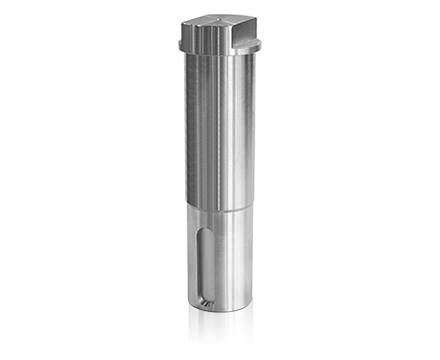
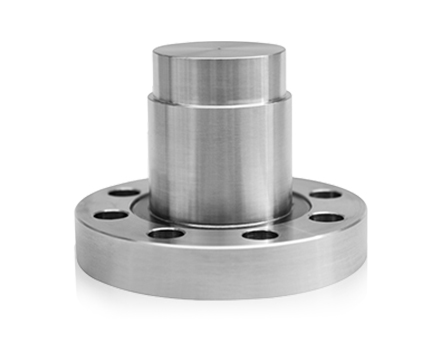
In real pipeline systems, a valve is not just a simple on off device. It is part of a wider control setup that keeps fluid, gas, or even steam moving in a stable and safe way. Among many valve designs, the ball valve is often chosen because it works in a straightforward way and usually handles flow isolation without much complication.
Inside this structure, there is one part that does not directly control flow but still plays a quiet and steady role in keeping everything together. That part is the ball valve bonnet.
People often notice the handle or the ball mechanism first, but the bonnet is doing background work most of the time. It keeps internal parts locked in place, helps maintain sealing, and also allows access when inspection or repair is needed.
To really understand how a ball valve performs over time, it helps to take a closer look at this component.
What is a Bonnet in a Ball Valve?
A bonnet in a ball valve is basically a covering section that closes off the main body opening. It sits on the top or sometimes the side of the valve body depending on the design.
Inside the valve, there are moving and sealing parts that need to stay aligned. The bonnet holds those parts in position while also keeping the internal pressure inside the system.
Instead of being part of flow control, it acts more like a structural cover and support piece. You can think of it as a sealed lid that also has a mechanical role.
In many cases, it is connected using bolts, threads, or welding depending on how permanent the system is expected to be.
What Does a Bonnet Do in a Valve?
The function of a bonnet is not limited to one single job. It works in several ways at the same time, especially in industrial use.
Pressure containment
Inside a working valve, pressure can change depending on the system. The bonnet helps keep that pressure contained inside the body so it does not escape from the top section.
Holding internal parts in place
The stem, seals, and sometimes guiding elements rely on the bonnet to stay correctly aligned. Without it, internal movement would become unstable over time.
Supporting movement of the stem
In many ball valve setups, the stem passes through the bonnet. The bonnet provides a smooth guide so the stem can rotate or move without unnecessary friction or misalignment.
Providing access for servicing
When maintenance is needed, the bonnet is often the first part that gets opened or removed. This allows technicians to reach inside without taking apart the entire valve system.
Working with sealing materials
Between the bonnet and valve body, sealing elements are placed. These help prevent leakage at the joint and maintain system integrity during operation.
Basic Position in the Valve Structure
To make things clearer, here is how the bonnet fits into a ball valve system:
- Valve body: outer shell that holds pressure
- Ball: rotating element that controls flow
- Stem: connects handle or actuator to the ball
- Seats: sealing surfaces around the ball
- Bonnet: closes and secures the body opening
The bonnet is not involved in directing flow, but it supports everything that is.
Common Types of Ball Valve Bonnet
Different working environments require different bonnet structures. Each type has its own way of connecting to the valve body and its own maintenance behavior.
Bolted type
This version is fixed using bolts and nuts. It is widely used because it allows opening when inspection or replacement is needed.
It is often chosen in systems where regular maintenance is expected.
Threaded type
In this structure, the bonnet is screwed into the valve body. It is usually found in smaller systems or lower pressure conditions.
It is compact, but access is not as flexible compared to bolted designs.
Welded type
Here the bonnet is permanently welded onto the body. Once installed, it is not designed for frequent opening.
This type is usually used in systems where leakage prevention is a higher priority than maintenance convenience.
Pressure sealed type
This design uses internal pressure to improve sealing performance. As pressure increases inside the valve, the sealing becomes tighter.
It is often used in systems where pressure conditions are more demanding.
Union type
This structure allows the bonnet to be removed as a complete unit. It is often used in smaller pipelines where quick servicing is helpful.
Quick Comparison
| Type |
Maintenance Access |
Sealing Behavior |
Common Use Situation |
| Bolted |
Easier to open |
Stable sealing |
Industrial systems |
| Threaded |
Moderate access |
Medium sealing |
Light duty pipelines |
| Welded |
Limited access |
Very tight sealing |
Permanent installations |
| Pressure sealed |
Balanced access |
Improves with pressure |
High demand systems |
| Union |
Simple removal |
Moderate sealing |
Compact setups |
Materials Used for Bonnets
The material used for a bonnet usually depends on what kind of environment the valve is working in.
Stainless based materials
Used when corrosion resistance is needed over long periods.
Carbon based metals
Common in general industrial applications where conditions are stable.
Brass options
Often used in smaller or simpler pipeline systems.
Alloy combinations
Chosen when both strength and environmental resistance are needed together.
Each material behaves differently under pressure, temperature changes, and long term usage.
Why Bonnet Design Matters
Even though the bonnet is not controlling flow, its design affects how the valve behaves over time.
A well matched bonnet helps with:
- Keeping internal pressure stable
- Reducing leakage risk at connection points
- Supporting smooth stem movement
- Making maintenance less complicated
- Improving long term reliability of the valve system
If the bonnet structure is not suitable for the application, the system may require more frequent servicing or show early wear in sealing areas.
Maintenance Related Role
In practical use, maintenance teams often interact with the bonnet more than other internal parts.
Typical maintenance actions include:
- Opening the bonnet for inspection
- Checking sealing conditions
- Replacing worn internal components
- Cleaning internal surfaces
- Realigning moving parts if needed
Because of this, the bonnet is often designed with serviceability in mind.
Common Issues That May Appear
Over time, certain issues may show up depending on working conditions.
Leakage at joints
This can happen if sealing materials lose elasticity or if connection points loosen slightly.
Surface wear
Exposure to certain fluids may slowly affect metal surfaces.
Bolt or thread stress
Repeated operation cycles can gradually weaken connection points in some designs.
Seal aging
Sealing parts may lose flexibility after long service periods.
These situations are usually gradual rather than sudden.
Where Ball Valve Bonnets Are Used
Ball valves with different bonnet structures are found in many working environments:
- Water distribution systems
- Chemical transfer lines
- Industrial production pipelines
- Energy related systems
- Processing equipment lines
Each environment places different expectations on sealing behavior, access, and durability.
How to Think About Selection
Choosing a bonnet type is usually based on practical conditions rather than appearance or preference.
Key points often include:
- How often maintenance is expected
- Pressure level inside the system
- Installation space and access
- Type of fluid or gas moving through
- Long term service expectations
These points help match the valve structure to real working conditions.
A ball valve bonnet may not be the most visible part of a valve system, but it plays a steady supporting role in keeping everything stable. It helps contain pressure, supports internal alignment, and allows access when servicing is needed.
Different bonnet structures exist because real working environments are not all the same. Some systems need frequent access, while others focus more on sealed protection. Understanding these differences makes it easier to choose and use valves in a more practical way.
In many cases, the performance of a valve over time is not only about the ball or the stem, but also about how well the bonnet is designed for the situation it is placed in.

 English
 中文简体
中文简体
 русский
 Español
 عربى
عربى
 italiano