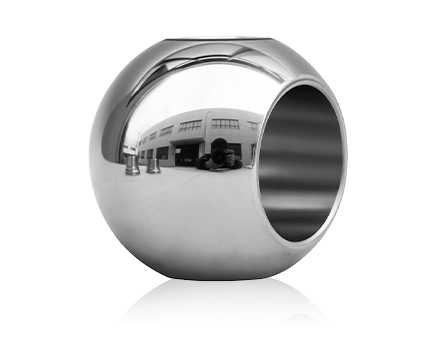
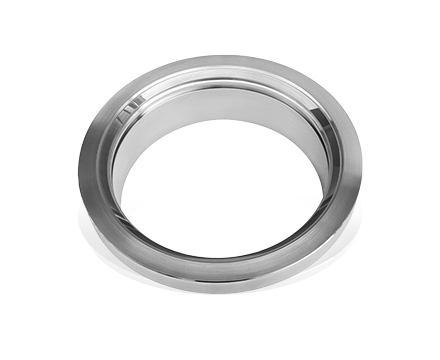
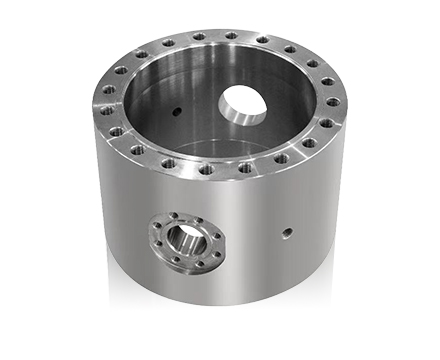
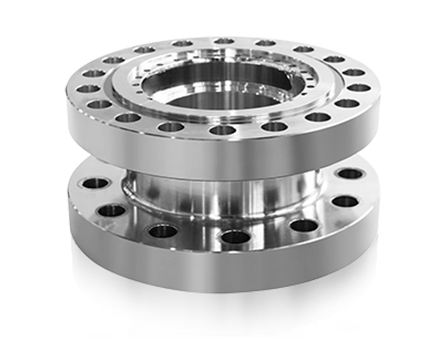
Leakage in a pipeline system is rarely something that appears suddenly. In most real working situations, it builds up slowly. It usually starts from small changes inside the valve that are not easy to notice during daily operation. For a Ball Valve Fixed Ball structure, leakage is often related to how different parts interact over time, instead of a single clear failure point.
In actual applications, these valves are commonly used in systems that depend on stable flow control. Once leakage appears, even in a small form, it may slowly affect process stability, maintenance planning, and overall system confidence. That is why it is important to understand where these issues usually come from in real use conditions.
Leakage usually develops step by step, not at once
Inside a fixed ball valve, sealing is not controlled by one element alone. It depends on several contact points working together. The ball, seat, body, and alignment all play a role in keeping the system tight.
When leakage happens, it is often linked to small changes that gradually add up, such as:
- slight surface wear after repeated use
- small shifts in sealing contact position
- uneven force from pipeline stress
- slow material changes during long operation
In many cases, the valve still seems to work normally at the beginning, which makes early signs easy to overlook.
Sealing surface changes over time
The sealing area is usually where leakage-related issues start to appear first.
1. Small wear from repeated contact
Every time the valve operates, the sealing surfaces touch under pressure. Even when everything feels smooth, very small wear marks can form.
Over time, this may lead to:
- less uniform contact between sealing surfaces
- slight gaps forming under certain working conditions
- changes in closing tightness
This process is slow and depends heavily on how frequently the system is used.
2. Uneven force on sealing contact
In a fixed ball design, sealing depends on how evenly pressure is distributed across the contact area.
If force is not balanced:
- one side may carry more load
- wear may appear uneven
- sealing behavior may become less stable over time
This is not always a design issue. In real systems, it is often related to installation alignment or long-term operating stress.
Machining and internal fitting accuracy
Production accuracy plays a quiet but important role in leakage behavior.
Small differences during manufacturing
Even slight variation in machining can influence:
- how the ball sits inside the valve body
- how smoothly sealing surfaces come together
- how internal stress is shared during operation
These differences are usually not noticeable at first, but they can slowly affect performance after long-term use.
Internal surface finishing
The condition of internal surfaces also matters. If finishing is uneven, contact behavior may change slightly during operation, especially under continuous flow conditions.
Installation conditions and pipeline stress
A valve is always part of a larger system. That means external installation conditions can influence how it behaves inside.
1. Pipe alignment before assembly
If pipes are not aligned properly, the valve may experience uneven stress. Over time, this can affect sealing stability.
2. Tightening and assembly balance
If connection points are tightened unevenly, internal parts may experience slight distortion. This usually does not cause immediate leakage, but it may affect long-term performance.
3. Pipeline support condition
When pipelines are not properly supported, vibration or movement can transfer stress to the valve body. This may slowly affect internal alignment.
Pressure changes during real operation
In actual systems, pressure is rarely constant. It may change during startup, shutdown, or normal flow adjustments.
What pressure variation can lead to
When pressure changes repeatedly:
- internal components may shift slightly
- sealing contact force may change
- wear patterns may become uneven
A fixed ball structure helps keep movement stable, but it cannot fully remove the influence of system pressure behavior.
Influence of the working medium
The type of fluid in the system also plays a role in long-term sealing behavior.
1. Material interaction over time
Some fluids may slowly interact with internal materials. This usually does not cause immediate leakage, but it may affect sealing stability over longer use.
2. Particles in the flow
If the medium contains small particles, they may:
- settle on sealing surfaces
- create light abrasion during movement
- affect smooth contact between parts
Even small amounts of contamination can have an effect after long operation.
Temperature changes and material response
Temperature variation affects both metal parts and sealing elements inside the valve.
Expansion and contraction behavior
Different materials respond differently to temperature changes. Over time, this can slightly affect:
- how tightly sealing surfaces fit
- internal alignment stability
- contact pressure consistency
These changes usually develop slowly but may still influence sealing behavior in long-term use.
Wear patterns inside the valve
Wear inside a valve does not always happen evenly. It often appears in specific areas depending on usage conditions.
Common wear locations
- sealing contact edges
- areas exposed to flow impact
- repeated motion contact zones
Once wear starts in one area, sealing performance may slowly change over time.
Maintenance and its role in leakage prevention
Maintenance is not only for fixing problems after they appear. It also helps keep long-term performance stable.
1. Cleaning internal surfaces
Over time, deposits may build up inside the valve. If not removed, they can affect sealing contact.
2. Checking sealing parts
Regular inspection helps identify early wear before leakage becomes visible in operation.
3. Monitoring system condition
Pipeline condition also matters, since external system behavior often affects valve performance.
Quick overview of main leakage factors
| Factor |
How it influences leakage |
Typical situation |
| Sealing wear |
Reduces tight contact over time |
Gradual change in sealing feel |
| Machining variation |
Affects internal fit |
Slight inconsistency during use |
| Installation stress |
Creates uneven force |
Local wear development |
| Pressure fluctuation |
Changes internal movement |
Variable sealing performance |
| Medium condition |
Affects surface stability |
Slow material impact |
| Temperature change |
Influences alignment |
Minor contact shift |
Common misunderstandings
In real industrial use, leakage issues are sometimes explained too simply.
Thinking there is only one cause
In most cases, leakage is not caused by a single factor. It usually comes from several small influences working together over time.
Expecting immediate signs
Wear inside a valve develops slowly. Systems may continue operating normally even during early stages of change.
Ignoring installation effects
Even when valve quality is stable, installation conditions can still influence long-term sealing behavior.
How leakage is evaluated in real projects
In engineering practice, leakage issues are usually studied from a system point of view rather than focusing on one part alone.
Typical checks include:
- sealing condition during long operation
- pipeline alignment stability
- pressure behavior in use
- fluid interaction with materials
- maintenance and cleaning history
Leakage in a Ball Valve Fixed Ball structure is usually the result of several factors working together over time. Sealing wear, machining accuracy, installation conditions, pressure variation, and working medium all play a role.
In real operation, the key is not only avoiding leakage at the beginning, but keeping sealing behavior stable during long-term use. When these factors are properly understood, the valve can operate more steadily inside the system and reduce unexpected leakage risk over time.

 English
 中文简体
中文简体
 русский
 Español
 عربى
عربى
 italiano