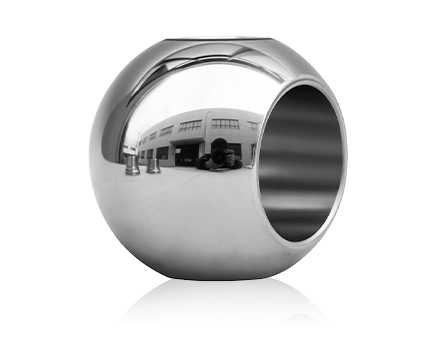
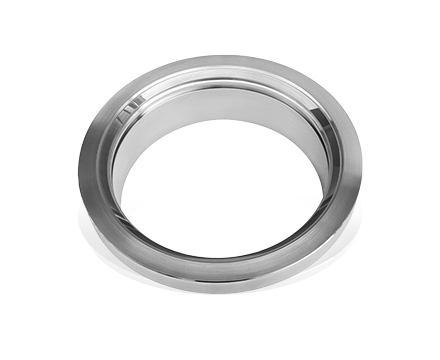
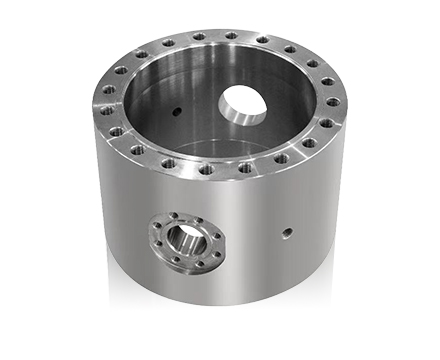
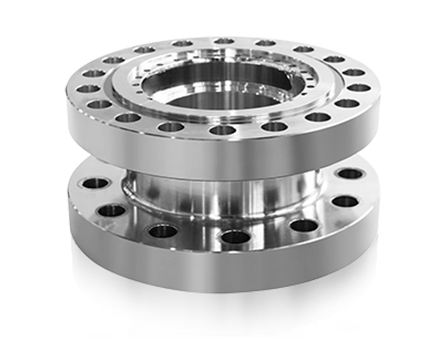
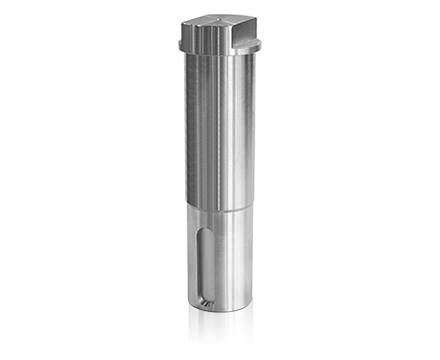
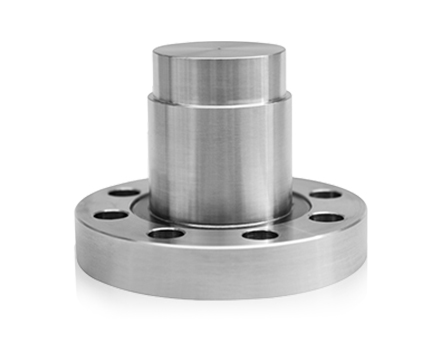
In real piping systems, a valve is not just a connection part sitting in the line. It is one of those components that quietly decides whether the whole flow process feels stable or constantly needs adjustment. The Ball Valve Fixed Ball type is often used in situations where flow control needs to stay predictable over time, not just during initial startup.
At first glance, many valves look quite similar. The difference usually shows up later, when the system has been running for a while. That is why selection is less about appearance and more about how the structure behaves under real working conditions.
Why fixed ball structure is used in real systems
A fixed ball design means the spherical closure element is supported in a way that limits unwanted movement during operation. Instead of relying only on fluid pressure to hold position, the structure provides mechanical support points.
In daily operation, this brings a few practical behaviors:
- The ball position stays more stable during switching
- Flow direction changes feel more controlled
- Internal movement is reduced under pressure variation
- Sealing contact tends to remain more consistent over cycles
It is not about making the valve more complicated. It is about reducing variation during repeated use, especially in systems that run continuously.
Start by understanding what the system actually needs
Before looking at valve catalogs or product options, the system itself should be clearly understood. This step is often skipped, but it decides whether the selected valve will feel "smooth" or "problematic" later.
Medium characteristics inside the pipeline
Different fluids behave differently when passing through a valve body. Some are clean and stable, while others may carry particles or chemical properties that slowly affect internal surfaces.
This influences:
- Wear speed of internal parts
- Sealing surface condition over time
- Frequency of cleaning or inspection
- Overall stability of flow behavior
A valve that works well in one system may behave differently in another, even if it looks identical on paper.
Flow behavior in real operation
Some systems operate in simple on-off modes. Others require more frequent switching or more stable flow direction control.
A Ball Valve Fixed Ball structure is often chosen when:
- Flow needs to stay stable during operation
- Switching happens repeatedly in daily use
- Leakage control is a key concern in system design
The way the system is used matters as much as the valve itself.
Working environment conditions
Even when a valve is installed inside a pipeline, the surrounding environment still has influence over time.
Things like temperature changes, humidity levels, or exposure conditions can affect:
- Material stability
- Surface protection behavior
- Long term mechanical consistency
These effects are usually gradual, not immediate, which is why they are sometimes ignored during selection.
Material choice is not just a specification line
Material selection is often listed in product data, but in real engineering work, it is closely tied to system behavior.
Instead of focusing on labels, engineers usually think in terms of suitability.
What material selection affects in practice
- Resistance to corrosion in the working medium
- Mechanical strength during long operation
- Compatibility with chemical or physical conditions
- Stability of sealing performance over time
Different industries prioritize different aspects. For example, chemical systems may care more about stability under reaction conditions, while water or general fluid systems may focus more on long service life and predictable maintenance.
Sealing performance depends on more than the sealing ring
Sealing is often the first thing people think about when discussing valves, but it is actually the result of multiple factors working together.
In a Ball Valve Fixed Ball structure, sealing behavior is influenced by:
Contact consistency between surfaces
The way the ball and sealing seat touch each other affects how fluid is controlled. If contact is uneven, wear patterns may slowly develop over time.
Pressure changes during operation
When pressure in a system fluctuates, internal parts respond differently. A stable structure helps reduce unnecessary movement that could affect sealing consistency.
Alignment inside the valve body
Even small alignment differences can influence long-term sealing behavior. It may not cause immediate issues, but it can gradually change performance over repeated cycles.
Machining quality becomes more important than expected
In industrial components, machining is often where real performance differences appear. Two valves with similar design may behave differently because of how precisely they are produced.
For fixed ball valves, machining affects:
- Smoothness of internal surfaces
- Consistency of spherical shape
- Fit between moving and fixed parts
- Overall mechanical balance during operation
These factors are not always visible, but they influence how the valve feels after months of use in a real system.
Installation conditions affect long term behavior
A valve does not operate alone. It becomes part of a larger pipeline system, and installation quality plays a direct role in performance.
Points usually checked during installation planning:
- Whether pipe alignment is stable before assembly
- Compatibility between connection types
- Structural support around valve position
- Space available for future maintenance work
If installation is not well planned, even a well-made valve may experience stress that affects long term stability.
Maintenance expectations should be understood early
Maintenance is often discussed after installation, but it is better to consider it during selection.
Different designs may require different levels of attention over time.
Common maintenance-related considerations:
- How easily internal parts can be inspected
- Whether sealing elements can be replaced without difficulty
- Cleaning requirements depending on fluid type
- Expected service intervals in real operation
In industrial systems, maintenance is not only about fixing issues. It is also about keeping performance stable over time.
Simple comparison for practical decision making
| Area to check |
Why it matters in operation |
What should be observed |
| Material suitability |
Affects durability and compatibility |
Interaction with working medium |
| Sealing behavior |
Controls leakage risk |
Contact stability over cycles |
| Machining consistency |
Influences long term reliability |
Surface and shape accuracy |
| Installation fit |
Affects system integration |
Alignment and connection condition |
| Maintenance access |
Impacts long term use |
Ease of inspection and servicing |
Common thinking mistakes during selection
In real purchasing situations, some assumptions often appear.
Assuming all valves behave the same
Even within the same type, system conditions can lead to different performance results. Flow, pressure, and usage frequency all matter.
Relying only on external appearance
Most important performance factors are inside the structure, not visible from outside. Appearance alone does not reflect internal behavior.
Expecting short testing to reflect long term use
Short tests show basic function, but long term operation reveals wear patterns, stability, and maintenance needs more clearly.
How real projects usually evaluate valves
In engineering practice, selection is rarely based on a single feature. Instead, it is based on overall system compatibility.
Typical concerns include:
- Whether the valve supports stable long term operation
- How predictable the maintenance cycle will be
- Whether it fits into existing pipeline design
- How it behaves under continuous working conditions
A Ball Valve Fixed Ball is usually chosen when balance and stability are more important than extreme performance in one direction.
Selecting a Ball Valve Fixed Ball for a system is more about matching real working conditions than choosing a product name. The structure itself provides stability advantages, but actual performance still depends on material choice, machining quality, installation accuracy, and system environment.
When these elements are considered together, the valve can operate in a more predictable way over time. In industrial applications, this predictability often matters more than short-term performance impressions, because systems are judged by how steadily they run, not just how they start.

 English
 中文简体
中文简体
 русский
 Español
 عربى
عربى
 italiano