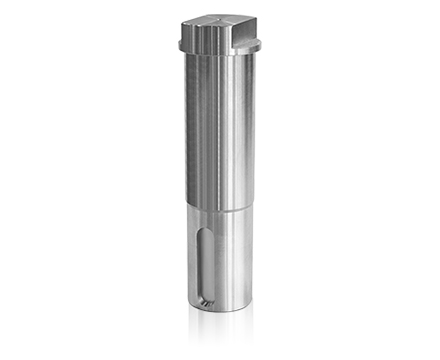
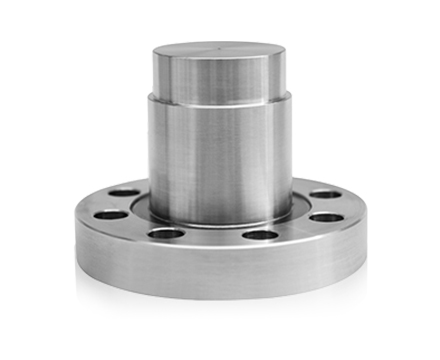
Some valves sit where hands cannot easily reach them: under a paved road, inside a jacket of pipe insulation, or behind a skid of process equipment. A standard stem leaves the handle too close to the body in each of these cases. A Long Ball Valve Stem or a Ball Valve Extension Stem raises the operating point to a position where a technician can work without excavating, stripping insulation, or squeezing between machines. The stem must also match the Body of Valve, suit the process fluid, and hold a seal under pressure. Teams that check these points before ordering usually avoid rework, delayed deliveries, and field modifications.
What a Long Ball Valve Stem Does
Inside a ball valve, the stem connects the ball to the handle or actuator. Torque passes along the shaft, so a quarter turn at the top rotates the ball by the same amount. A long stem adds length, which opens a gap between the valve body and the operating mechanism. That gap can be the difference between a valve that is easy to operate and one that is ignored until a shutdown.
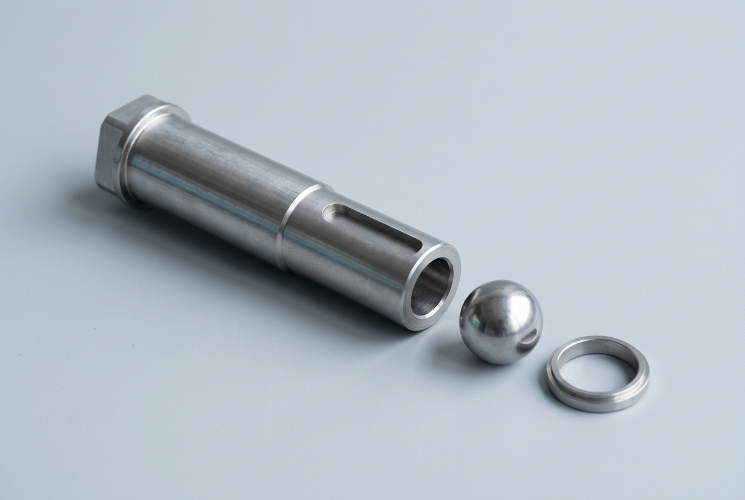
Working Zones of the Stem
Each stem has several zones, and each one has a separate job:
- Head: joins the handle or actuator, often through a flat or square profile.
- Shaft: carries torque during operation and must resist twisting.
- Shoulder: positions the stem and keeps it seated in the assembly.
- Sealing area: works with packing or O-rings to control leakage along the stem.
- Tip: engages the ball through a slot or tang.
A flaw in any one zone shows up as a symptom somewhere else. A worn tip may feel like a loose handle, and a damaged sealing area may appear as a slow weep around the packing gland.
Standard Stem or Long Stem
A standard stem suits valves with the handle close to the body. This is the usual arrangement on a bare pipe in a plant corridor, where a person can stand beside the valve and turn it. A long stem suits installations that need added clearance, special mounting, or reach. Valve size, site conditions, and actuator type settle the choice.
Insulation is a typical reason for extra length. A pipe wrapped in thick insulation and cladding pushes the handle outward. Without added stem length, the handle would sit against the jacket, and every turn would risk crushing or tearing the wrapping. Moisture then enters the insulation, and corrosion under the jacket follows.
Where a Ball Valve Extension Stem Is Used
A Ball Valve Extension Stem brings the operating point to a place people can reach. A buried water or gas valve is a familiar case. Crews prefer not to dig each time the valve must turn, so the stem rises to a surface box where a key or actuator engages it.
Typical Installation Situations
- Underground lines: the operating point extends to ground level, usually inside a protective box or sleeve.
- Insulated lines: the stem passes beyond the insulation, so the handle turns freely and the wrapping stays intact.
- Confined spaces: a valve deep in a pit or equipment skid can be operated from a convenient position.
- Remote operation: the actuator sits away from the valve body, which helps when heat, vibration, or limited space would affect it.
- Elevated or hard-to-reach pipework: a valve above head height can be turned from the floor through an extended connection.
Underground service deserves extra thought. The extension passes through soil, and soil moves. Settlement, frost, and traffic loads can bend a long shaft or misalign the coupling. A guide, a protective sleeve, and a well-supported surface box reduce side loading on the stem and on the sealing area near the body.
Long Stem Versus Extension Stem
The terms are often used loosely, yet they differ. A long stem is one component made with extra length. An extension stem stresses added operating distance and may be integral or a separate assembly joined by a coupling.
A single long stem has fewer joints, which means fewer places for play to develop. A separate extension can be shipped in sections, adjusted on site, and replaced without disturbing the valve itself. Neither approach is correct in every case. Stating clearly which one is required prevents surprises at assembly.
How the Stem Fits the Body of Valve
The Body of Valve is the pressure-containing housing for the ball, seats, stem, and related parts. The stem passes through a bore in the body and engages the ball. Because both parts work as one assembly, bore size, seal arrangement, and retention features need to agree.
| Component |
Role |
| Valve body |
Houses internal parts and contains pressure |
| Stem |
Transfers torque to the ball |
| Ball |
Controls flow |
| Seat |
Seals against the ball |
| Packing |
Limits external leakage |
| Retention feature |
Keeps the stem from being pushed out |
Each component depends on the others. A good seat cannot compensate for a stem that wobbles, and a precise stem cannot seal inside a bore that is out of tolerance.
Anti-Blowout Retention
Many industrial valves use an anti-blowout design, in which a shoulder inside the body stops internal pressure from ejecting the stem. If the packing fails, the stem stays in place instead of becoming a projectile. The shoulder, retention geometry, and seal land should follow the valve drawings.
Small Differences, Large Effects
A stem that looks correct but differs slightly at the shoulder or seal surface may leak, bind, or fail to turn the ball cleanly. Surface finish on the sealing area matters as much as diameter. A rough finish wears packing quickly, while an overly smooth one may not hold lubricant well. For this reason, replacement stems are best made from the original drawing or from a measured sample, not from a visual match.
The drive end needs the same attention. Where the tip meets the ball, a loose fit allows backlash, so the handle moves before the ball does. A tight or misaligned fit raises torque and accelerates wear on both parts.
Materials for a Long Ball Valve Stem
Material affects strength, corrosion resistance, and service suitability. Fluid type, temperature, pressure, and mechanical load guide the decision. Environment matters too, since a stem may face wet soil, salt air, or chemical splashes on the outside while the process fluid acts on the inside.
- Carbon steel, such as ASTM A105: suited to general service with limited corrosion exposure, often with a protective surface treatment.
- Stainless steel, such as F304 and F316: chosen for corrosion resistance, with F316 often used in more aggressive surroundings such as coastal or chemical sites.
- Duplex and super duplex, such as F51 and F53: combine strength with corrosion resistance for offshore and chemical duties.
- 17-4PH: a precipitation-hardening stainless used where specific strength and hardness are required.
- Monel and nickel alloys: selected for certain corrosive services according to fluid composition.
Long stems add one more consideration: stiffness. A slender shaft twists under load, so the handle may turn further than the ball does. Strength and torsional stiffness both matter, and a material that suits a short stem may need a larger diameter or a stronger grade when the length increases.
Check the material against the applicable specification and the actual service conditions, not a catalog description alone. Material certificates should accompany each batch so the grade can be traced.
Specifying a Ball Valve Extension Stem
Length alone does not define a sound selection. A few items need to be reviewed together.
- Dimensions: overall length, shaft diameter, head shape, shoulder position, and connection details must match the valve design.
- Material and conditions: pair the alloy with the medium, temperature, pressure, and mechanical load.
- Connections: joints to the ball and to the handle or actuator must suit the valve configuration.
- Retention and sealing: these features must suit the specified pressure and temperature.
- Tolerances and finish: accurate machining supports alignment, assembly, and a dependable seal.
Information to Supply With an Inquiry
A supplier can only quote accurately when the request is complete. Useful details include drawings, the material grade, the installation type, the actuator or handle interface, and the operating conditions. A sample taken from an existing valve helps when drawings are missing, as does a photograph of the installation.
Operating context is worth stating plainly. A stem for a valve that turns once a year faces different wear than one cycled many times a day. Likewise, a stem in a vibrating plant needs different attention from one in a quiet buried chamber.
Common Specification Errors
Several mistakes recur in purchasing. Buyers measure only the visible length and forget the portion inside the body. Others ignore the head profile, then find that the handle does not fit. Some choose a material by price alone and discover later that the soil or atmosphere attacks it. A short checklist completed before ordering prevents most of these problems.
Manufacturing Custom Valve Stems
Custom stems follow a controlled sequence. Raw material is chosen to suit the drawings and the application. Where the design calls for it, blanks are forged to a rough shape, which improves grain flow along the part. CNC turning and milling then form the shaft, shoulder, drive features, and sealing surfaces.
Heat Treatment, Finishing, and Inspection
Heat treatment and surface finishing follow according to material and engineering requirements. Hardening, stress relief, grinding, or polishing may each apply, depending on the grade and the duty. Dimensional inspection checks critical sizes, tolerances, and surface condition before delivery. Straightness deserves a check on long shafts, since a slight bow causes uneven wear in the packing.
Working From Drawings or Samples
Valve makers use differing dimensions, connection styles, and material standards. A supplier able to work from drawings or samples offers useful flexibility. Material verification, dimension checks, and suitable testing keep batches consistent, which supports steady supply for OEM and industrial buyers.
Consistency matters most for repeat orders. When a second batch arrives with slightly different tolerances, assembly teams notice quickly, because parts that fitted before now bind or leak. Documented inspection records make it easier to trace and correct such drift.
Common Questions
What Is a Long Ball Valve Stem?
It is an extended stem that links the internal ball to the external operating mechanism and provides added clearance for installation.
How Does It Differ from an Extension Stem?
A long stem is made with extra length, while an extension stem describes a component or assembly that extends the operating connection.
When Is an Extension Stem Needed?
It suits buried valves, insulated lines, and installations where the operating mechanism must sit away from the valve body.
Which Materials Are Available?
Options include A105, F304, F316, F51, F53, 17-4PH, Monel, and selected nickel alloys, depending on service.
Can Stems Be Made to Drawings?
Yes, subject to manufacturing feasibility, using drawings, samples, dimensions, and material requirements.
Matching a Long Ball Valve Stem or Ball Valve Extension Stem to the Body of Valve, the operating mechanism, and the installation environment keeps valves reachable and sealed. Material, dimensional accuracy, retention design, and machining quality should be settled before an order is placed.

 English
 中文简体
 русский
 Español
 عربى
 italiano