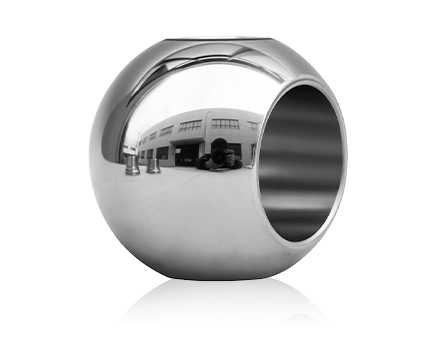
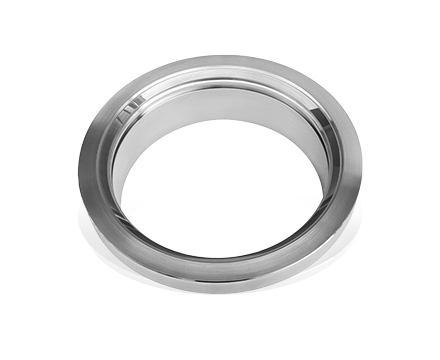
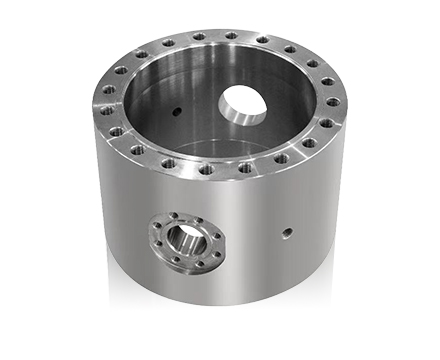
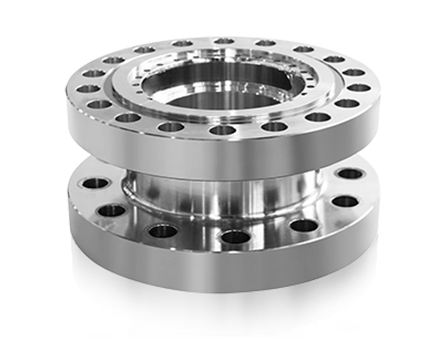
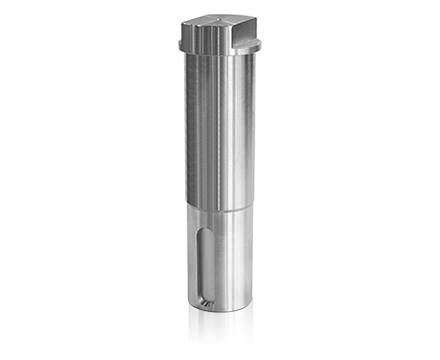
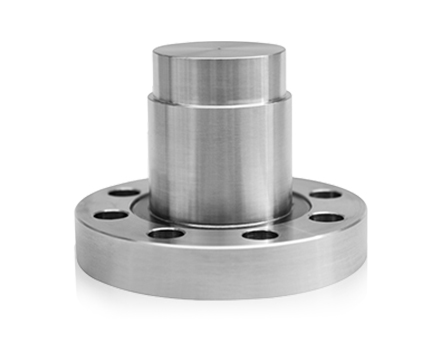
In the evolving world of industrial valves, ensuring durability, precision, and performance is paramount. Custom Ball Valve Balls and Hard Seal Balls are becoming essential components in valve systems across multiple industries. These two products offer superior sealing and reliability, making them the go-to solutions for demanding environments like oil and gas, power generation, and chemical processing. As a leading manufacturer in the valve components industry, Zhejiang Haoqiu Flow Control Technology Co., Ltd. specializes in producing these high-performance components, providing tailored solutions to meet the specific requirements of global industries.
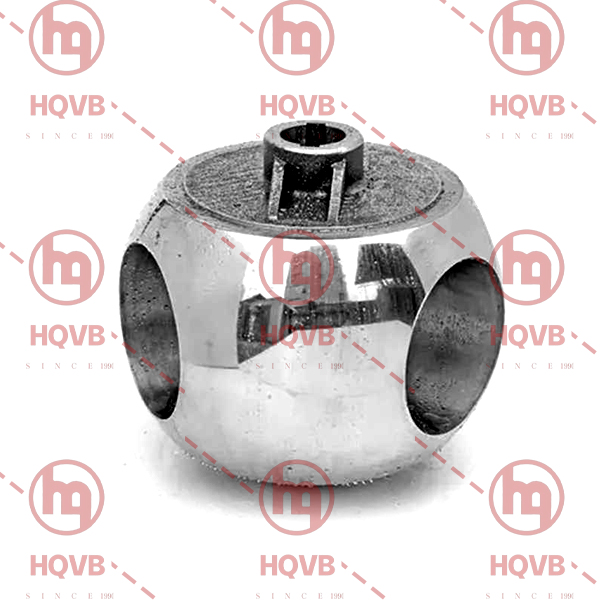
The Importance of Custom Ball Valve Balls in Industrial Systems
Custom Ball Valve Balls are designed to meet the unique demands of various industries. These valves are critical in applications where standard valve components fall short. With the flexibility to adjust the size, material, and sealing capabilities, Custom Ball Valve Balls ensure a precise fit in valve systems that need to withstand extreme conditions such as high pressure, high temperature, or corrosive environments.
At Zhejiang Haoqiu Flow Control Technology Co., Ltd., we take pride in offering customizable solutions that provide enhanced performance. Whether it's for improving sealing, ensuring smooth flow, or extending the lifespan of the valve system, custom ball valve balls are engineered to deliver reliable results in industrial settings.
Hard Seal Balls: A Superior Solution for Leak Prevention
Hard Seal Balls offer enhanced sealing capabilities compared to traditional valve balls. These balls are specifically designed to withstand extreme pressures and temperatures, providing a higher level of sealing efficiency and minimizing the risk of leaks. In industries such as chemical processing, petrochemicals, and high-pressure pipelines, ensuring leak-free operation is essential for safety and cost-effectiveness.
Zhejiang Haoqiu Flow Control Technology Co., Ltd. produces Hard Seal Balls that meet the rigorous standards set by various industries. By combining superior materials with precise engineering, we ensure that our Hard Seal Balls provide consistent, long-lasting performance even in the harshest conditions.
Why Customization is Key for Valve Components
One of the major benefits of choosing Custom Ball Valve Balls is the ability to tailor them to meet specific operational requirements. Every industry has unique challenges that require specialized valve components. From pressure resistance to corrosion tolerance, customizing the valve components ensures that they perform optimally, improving system efficiency and reliability.
At Zhejiang Haoqiu Flow Control Technology Co., Ltd., we work closely with our clients to understand their needs and provide fully customized solutions. Whether you need a ball valve that fits a specific size, material, or functional requirement, our team is equipped to deliver high-quality, customized valve solutions.
The Role of Material Selection in Valve Performance
The material used in manufacturing Custom Ball Valve Balls and Hard Seal Balls plays a significant role in their overall performance. For instance, stainless steel is commonly used in many industrial applications for its corrosion resistance, while high-strength alloys are essential in high-pressure environments. The right choice of materials ensures that the valve components can withstand the stresses of their environment without compromising on performance.
Zhejiang Haoqiu Flow Control Technology Co., Ltd. carefully selects materials based on the specific needs of our clients, ensuring that every Custom Ball Valve Ball and Hard Seal Ball provides the highest level of durability and efficiency.
Rigorous Quality Control to Ensure Long-Term Reliability
Quality is the cornerstone of Zhejiang Haoqiu Flow Control Technology Co., Ltd.'s manufacturing process. Our Custom Ball Valve Balls and Hard Seal Balls undergo extensive testing to ensure they meet international standards for performance and reliability. From material selection to final inspection, every step is carefully monitored to guarantee the highest level of quality.
We employ advanced testing techniques to measure factors such as sealing integrity, pressure resistance, and material durability. This rigorous process ensures that each product we produce can perform effectively in challenging environments, minimizing the risk of failure and maximizing long-term reliability.
Choosing Zhejiang Haoqiu Flow Control Technology Co., Ltd. for Superior Ball Valve Components
When it comes to industrial valve systems, the performance of the components is critical. Custom Ball Valve Balls and Hard Seal Balls from Zhejiang Haoqiu Flow Control Technology Co., Ltd. offer the reliability, durability, and customization needed to meet the challenges of today’s demanding industries. Our tailored solutions are designed to improve the efficiency and lifespan of valve systems, ensuring that operations run smoothly and reliably.
For companies seeking high-quality valve components, Zhejiang Haoqiu Flow Control Technology Co., Ltd. is the ideal partner. Our commitment to precision, customization, and quality ensures that we provide the best valve components for every need, helping you optimize performance and reduce maintenance costs.

 English
 中文简体
中文简体
 русский
 Español
 عربى
عربى
 italiano