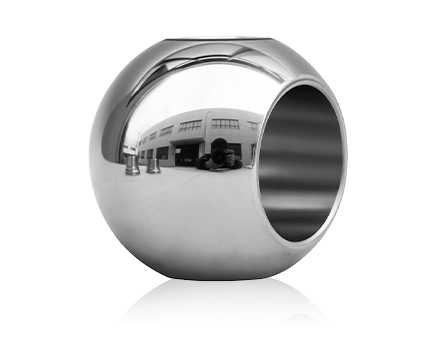
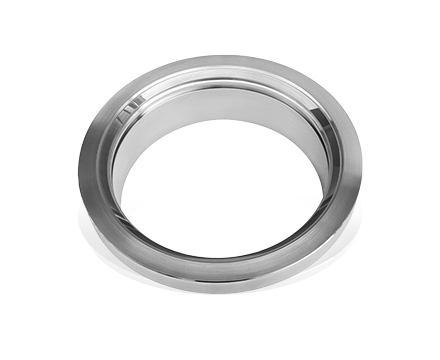
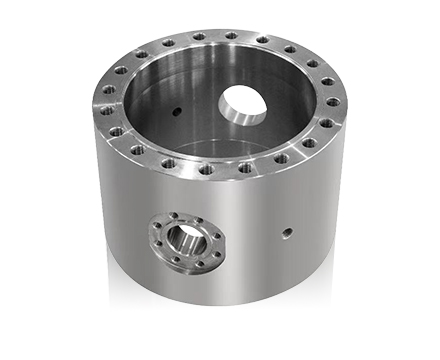
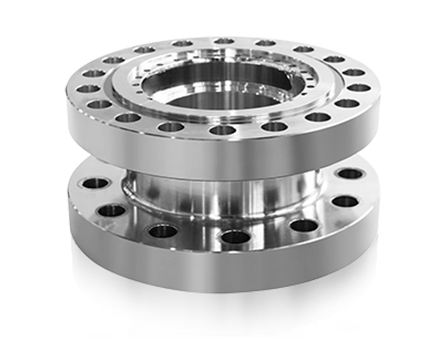
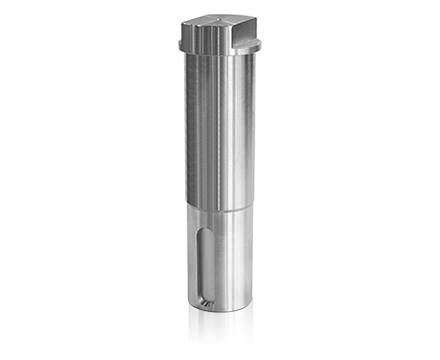
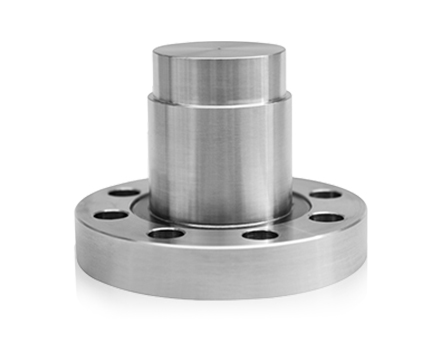
A valve can look simple from the outside and still depend on a few carefully matched parts inside. Among them, the bonnet plays a quiet but central role. It closes the upper section of the body, helps hold the internal assembly in place, and shapes how the valve behaves over time. For buyers, engineers, and plant teams, the real question is not only what the part is, but how its design affects service life, maintenance, sealing, and fit for the job.
When people search for a Ball Valve Bonnet, they are often trying to solve a practical issue. They may need to compare design styles, choose a material, check whether a valve is easy to service, or prepare a custom order. The topics below move in that order: from basic function to design choices, from production methods to sealing concerns, and finally to buying decisions. That structure keeps the discussion clear and useful.
What the Bonnet Does in a Valve Body
A bonnet is more than a cover. It helps form the working space around internal parts and supports the assembly where the valve is opened and closed. In daily use, it also contributes to overall stability. If the upper section is designed with care, the valve is easier to assemble, inspect, and maintain.
The role becomes even clearer in systems where the valve sees repeated movement or changing conditions. A well-matched Ball Valve Bonnet can help reduce unwanted movement of internal parts and support a cleaner seal at the joint. That does not mean the bonnet alone determines performance. It works together with the body, sealing elements, and moving parts. Still, the bonnet often influences how the entire unit feels in service.
A useful way to think about it is this: the body carries the flow path, while the bonnet helps close and support the upper section. When those two parts fit well, the valve is easier to trust in regular operation.
Comparing Common Connection Styles
Different connection styles shape how a valve is installed and maintained. Some designs are intended for easy access. Others are chosen for a more fixed arrangement. The connection style matters because it affects how often the valve can be opened, how much time maintenance may take, and how the assembly behaves in demanding use.
| Connection style |
General use |
Maintenance style |
Practical note |
| Threaded |
Light to medium service |
Easier to open in many cases |
Useful where compact construction is preferred |
| Bolted |
Broad industrial use |
Suited to repeated service access |
Common where controlled tightening is important |
| Welded |
Fixed installations |
Less frequent opening |
Chosen where a closed, stable assembly is preferred |
A threaded design may suit projects where space is limited and service access is still important. A bolted design is often chosen when the user expects periodic inspection or part replacement. A welded style is more fixed in nature and is often selected when the installation is meant to stay closed for long periods.
The right choice depends on the work environment, the maintenance plan, and how the valve is expected to be handled after installation. A Ball Valve Bonnet should fit that wider plan rather than being chosen in isolation.
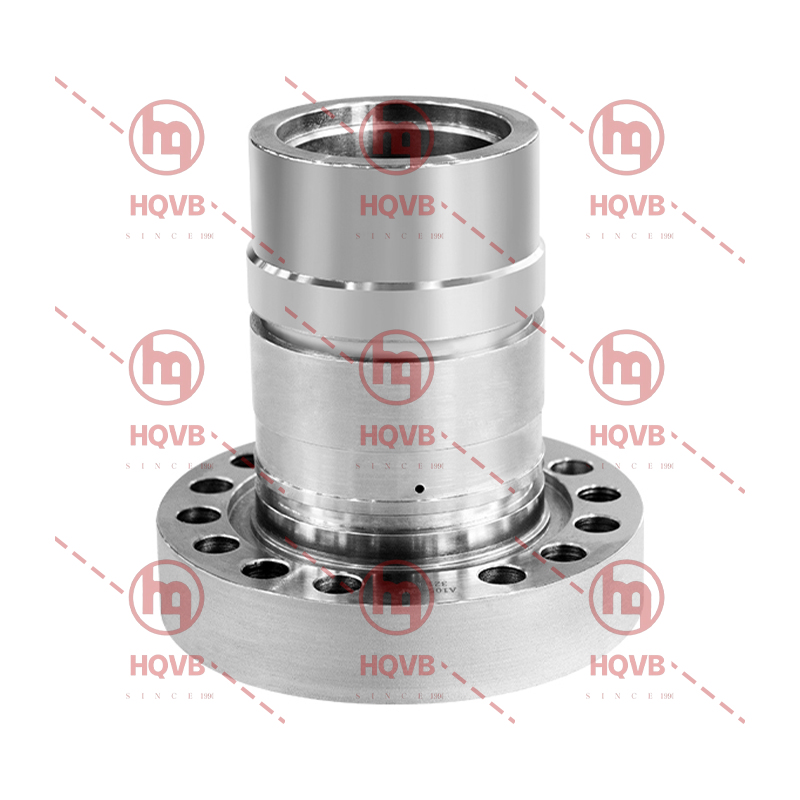
Choosing Materials for Different Service Conditions
Material choice is one of the first decisions that shapes real-world behavior. The same design can act differently depending on what it is made from. A material that works well in a dry, stable setting may not suit a damp or corrosive one. For that reason, the bonnet material should always be linked to the service environment.
| Service condition |
Material direction |
Why it is often considered |
| Dry and stable service |
Carbon-based metals |
Common where general strength and cost balance are important |
| Corrosive service |
Corrosion-resistant metals |
Chosen where exposure can affect surface condition over time |
| Mixed service |
Balanced metal grades |
Useful when the environment changes or is not fully predictable |
| Frequent maintenance settings |
Materials with steady machining behavior |
Helpful when parts may need repeat fitting or replacement |
In many projects, buyers focus on strength, but surface behavior matters just as much. A material that resists wear in one setting may still face trouble if moisture, chemical exposure, or thermal change is present. That is why the material choice should follow the actual service path rather than a general assumption.
For a Ball Valve Bonnet, the material also affects machining, joining, and long-term appearance. A manufacturer should look at the full picture: service media, handling habits, temperature variation, and expected maintenance intervals. A material selected with those points in mind is more likely to match the job without unnecessary change later.
Forged and Cast Paths in Production
Production method changes the character of a part before it ever reaches installation. Forged and cast routes create parts in different ways, and each route brings its own practical strengths.
Forged parts are formed through force and shaping. This path is often used when a dense, firm structure is wanted. Cast parts are formed by pouring material into a mold, which can allow more shape freedom. The difference is not about labels alone. It affects density, finishing, and how the part behaves during machining.
A forged Ball Valve Bonnet is often selected when buyers want a more compact internal structure and a production path that supports careful shaping. A cast version may be chosen when the design calls for more shape flexibility or when the part geometry is more complex.
| Production path |
General character |
Common reason for use |
| Forged |
Dense, controlled shaping |
Useful where structure and machining consistency matter |
| Cast |
Flexible forming route |
Useful where shape detail and forming options matter |
Neither route should be treated as automatic. The choice depends on the service need, the order size, the intended installation, and the balance between shape and machining. A manufacturer should be able to explain why one route fits a given project better than another.
From Raw Stock to Finished Part
A finished part starts long before final assembly. The production path usually begins with raw material selection, then moves through shaping, machining, surface work, and inspection. Each stage affects the next one, so poor control at any step can show up later in use.
The shaping stage gives the part its basic form. Machining then brings the surfaces and mating areas into proper relation. This is where fit becomes important. Even a strong part can cause trouble if the surfaces do not match well or if the edges are not handled with care. Surface work helps the part resist wear and supports a cleaner appearance. Inspection checks whether the finished piece stays within the intended shape and finish.
A Ball Valve Bonnet that comes through a stable process is usually easier to install and easier to service. That does not require complicated language. It means the part behaves in a predictable way. Predictability matters to plants because it reduces surprises during fitting and later maintenance.
A practical producer will also pay attention to handling after machining. Parts can be damaged by rough storage or poor packaging. For buyers, asking how the part is handled after final work can be just as useful as asking how it is made.
Why Sealing Details Matter
Many valve problems begin at the joint, not in the visible movement of the valve itself. Sealing details decide whether the assembly stays tight under daily use. If the joint is uneven, poorly fitted, or not matched to the service condition, leakage risk rises.
That is why sealing deserves close attention in any Ball Valve Bonnet discussion. The seal does not work alone. It depends on the fit of the mating surfaces, the condition of the joint, and the stability of the installation. Even a small mismatch can affect how the valve performs after repeated use.
Common causes of sealing trouble include:
- uneven tightening during assembly
- wear on sealing surfaces
- material mismatch between parts
- damage during handling or storage
- movement caused by repeated service
A useful inspection habit is to look at the joint as a system, not as a single point. The face, the ring, the contact area, and the fit all need to work together. When they do, the valve is more likely to hold up under normal service. When they do not, problems often return no matter how often the part is adjusted.
Matching the Design to the Service
Not every installation asks for the same design. A valve in a steady plant line does not face the same demands as one in a changing service setting. Some systems need easier access. Others need a fixed assembly with fewer openings. Some services bring moisture or chemical contact. Others bring motion, vibration, or frequent handling.
This is where the selection process becomes practical. A Ball Valve Bonnet should be matched to the service path, not only to the order sheet. A buyer should think about what the valve will touch, how often it will be serviced, and whether the installation leaves enough room for maintenance.
A simple way to screen the choice is to ask:
- Will the valve be opened often for checks?
- Is the surrounding environment dry, damp, or corrosive?
- Is the installation easy to reach?
- Does the job call for a fixed or serviceable design?
- Will the part need repeat handling later?
Those questions help narrow the design before purchase. They also reduce the chance of ordering a part that fits on paper but creates trouble in the field. For industrial users, that kind of mismatch can cost time and effort long after the shipment arrives.
What Buyers Should Check Before Ordering Custom Parts
Custom orders work best when the buyer and manufacturer share a clear picture of the job. The more complete the request, the easier it is to match the part to the use case. A good order does not need to be complicated. It needs to be complete enough to avoid confusion.
Before placing an order, buyers usually benefit from checking:
- body and connection size
- material preference
- service environment
- access needs for maintenance
- fitting style and assembly method
- surface finish expectations
- packaging and handling needs
A Ball Valve Bonnet made to a clear request is less likely to create delays. It also helps the manufacturer suggest practical changes if a detail seems difficult to produce or difficult to service. That exchange can save time for both sides.
One useful habit is to confirm what is fixed and what can be adjusted. Some buyers know the environment but not the exact finish. Others know the fitting style but not the material. The more of those points that are resolved early, the smoother the order tends to be.
A manufacturer can also support the buyer by explaining trade-offs in plain language. For example, one material may be easier to machine while another may suit a harsher setting. One connection style may allow faster servicing while another may be more fixed in place. Clear communication at this stage often matters more than a long technical explanation.
A good purchase conversation usually ends with shared clarity: what the part must do, where it will be used, how it will be serviced, and what type of fit is expected. When those points are aligned, the final part is easier to trust in the field.

 English
 中文简体
中文简体
 русский
 Español
 عربى
عربى
 italiano