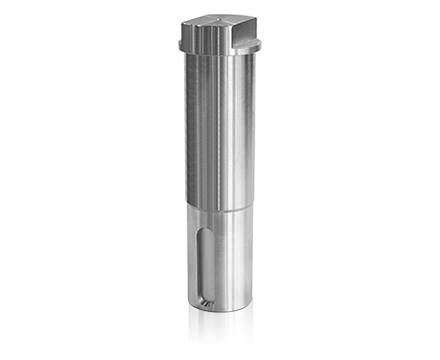
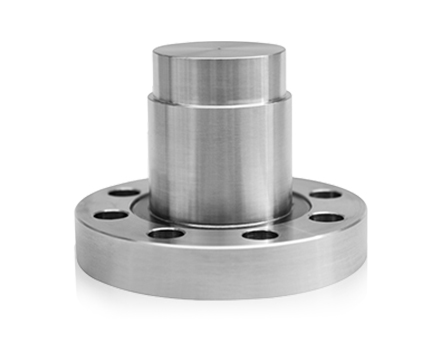
A Long Stem Ball Valve is often chosen when the operating point needs to sit farther away from the pipeline body, the insulation layer, or another physical barrier. In many projects, the real concern is not only opening and closing flow, but also keeping access clear, protecting the operating area, and making daily handling more manageable. That is why this type of valve often appears in conversations about buried lines, covered systems, and locations with limited space.
In practical use, the topic is not only about length. It is also about placement, reach, control comfort, and how the whole valve assembly fits into the surrounding layout. When people ask about it, they usually want to know whether the structure suits the site, whether operation stays smooth, and whether the design can support long-term use without making the system harder to handle.
What Is a Long Stem Ball Valve and How It Fits Into Modern Pipeline Systems
A long stem design extends the operating point away from the valve body. That simple change can make a noticeable difference in how the valve is used in a system with insulation, enclosure, or limited access. Instead of forcing the operator to work around obstacles, the extended structure brings the control point to a more practical position.
In many pipeline layouts, the valve body sits in one zone while the operating area needs to remain outside that zone. This creates a need for separation. The extended stem helps bridge that gap without changing the basic function of the valve. The result is a structure that can still handle flow control while fitting into a tighter or more protected installation plan.
A few common reasons this design is selected include:
- The operating area needs to stay clear of heat or cold zones.
- The valve is placed where direct access is limited.
- The surrounding equipment leaves little room for direct handling.
- The system layout needs a more comfortable control position.
In that sense, the valve is not only a flow device. It becomes part of the access strategy of the entire pipeline line.
Why Long Stem Ball Valves Are Used in Insulated Buried and Hard to Access Pipelines
Insulated lines and buried routes often create a basic problem: the valve may remain technically reachable, but not practically reachable. Cover layers, soil depth, tight chambers, and surrounding structures can all make direct handling difficult. A longer stem gives the operator a way to work from a point that is easier to reach.
This matters in several ways. First, it helps keep the operating point away from covered sections. Second, it reduces the need to remove surrounding protection every time the valve is handled. Third, it gives the system a cleaner separation between the pipeline environment and the control area.
| Site condition |
Practical issue |
Role of the extended stem |
| Covered line |
Access is restricted |
Moves the control point outward |
| Buried route |
Direct handling is difficult |
Brings operation to a reachable level |
| Tight installation |
Space is limited |
Reduces interference with nearby parts |
| Protected system |
Surroundings should remain undisturbed |
Supports handling without opening the whole area |
In real use, this is less about complexity and more about convenience and protection. The layout becomes easier to manage, and the valve can be operated without disturbing the surrounding setup as much.
Where Long Stem Ball Valves Are Commonly Installed in Oil Gas and Energy Infrastructure Projects
These valves are often placed in parts of the system where access is not straightforward. That can include long pipelines, covered lines, transition points, or areas where the valve must sit below or behind another layer of equipment. In energy infrastructure, the location is often chosen for practical access rather than visual convenience.
The placement usually follows a simple logic. If the valve body must remain in one position for system reasons, but the operator needs a cleaner point of contact, the stem extension provides that separation. It is a layout choice that supports both control and site arrangement.
Common installation situations include:
- Areas with protective covering around the line
- Locations with limited working space
- Zones where direct access would be inconvenient
- Systems that need the control point moved away from the body
This kind of placement can also support routine handling. When the operating point is easier to reach, the valve can be checked and adjusted with less disruption to the surrounding area. That is one reason the design appears in projects where access planning matters as much as flow control.
How Stem Length Affects Torque Performance and Valve Operation Stability in Long Stem Ball Valves
Stem length changes the way force travels through the structure. The farther the operating point sits from the valve body, the more important alignment and smooth force transfer become. If the arrangement is clean, the valve can still operate in a steady way. If the setup is off, the extra reach may add unwanted strain.
The main concern is not only force, but also consistency. A longer path can make the motion feel less direct if the assembly is not arranged properly. That is why stable support and accurate fit matter so much in this type of design.
Some practical effects to watch for include:
- A change in the feel of the operating motion
- More sensitivity to alignment
- Greater need for careful assembly
- A stronger link between installation quality and operating smoothness
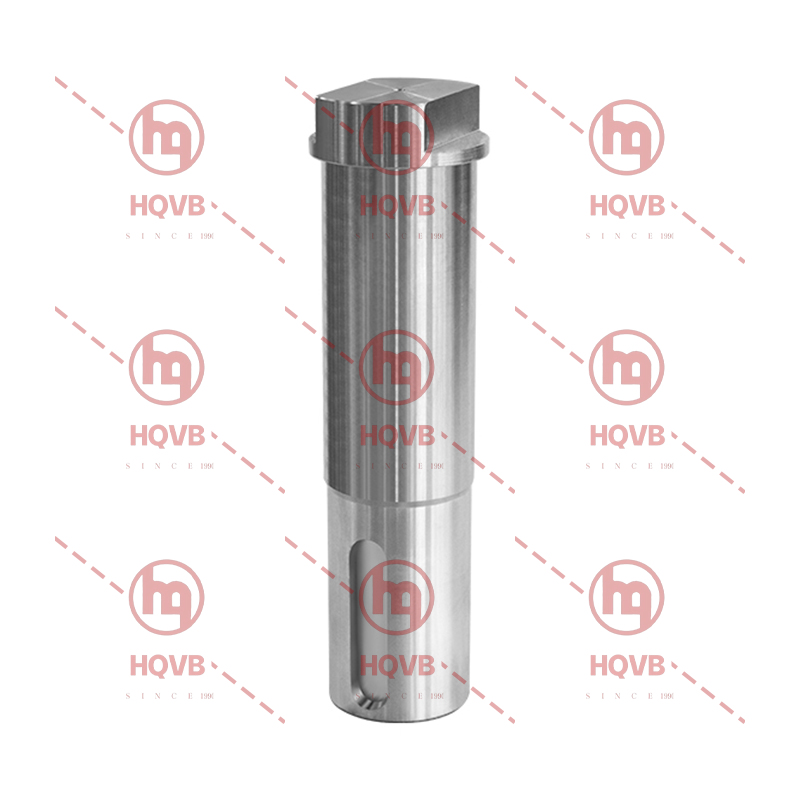
For a Long Stem Ball Valve, the stem is not simply a longer part. It is a bridge between the operator and the valve body, so its condition affects how the entire unit feels in use. When the structure is set up well, the movement remains steady and predictable. When it is not, the operation may feel less even over time.
What matters here is balance. The design must extend reach without making the system awkward to use. That balance is often what separates a workable setup from one that becomes hard to manage.
What Design Factors Matter Most When Selecting a Long Stem Ball Valve for Industrial Use
Selection usually starts with the site layout. Before anything else, the surrounding space, access route, and protection layers need to be clear. After that, the focus moves to how the stem connects with the body, how the operating point will be reached, and how the structure fits the rest of the system.
The following points are often checked during selection:
- Whether the operating position needs to be moved outward
- Whether the surrounding area limits direct access
- Whether the valve must work within a covered or buried arrangement
- Whether the assembly can stay aligned during use
- Whether the site plan leaves enough room for handling
A Long Stem Ball Valve should match the installation rather than force the installation to adjust too heavily around it. That is the practical standard behind a good choice. The design needs to support the system layout, not interrupt it.
If the site is already tight, the valve should not add unnecessary handling difficulty. If the operating area must stay separate from the line body, the extension should make that separation cleaner. If the system is meant to stay easy to access, the structure should support that goal without adding clutter.
A well-matched design usually feels quiet in the background. It does its job without drawing attention to itself, which is often what a site team values most in day-to-day use.
How Long Stem Valves Handle Temperature Changes in High Temperature and Cryogenic Conditions
Temperature changes affect every part of the assembly, but the impact becomes easier to notice when the operating point is extended away from the valve body. In hot service, the structure may expand gradually. In cold service, the opposite movement can create a tighter feeling in the system.
What matters here is not only movement itself, but how that movement is managed. A longer stem can carry small shifts over a greater distance, so the surrounding layout has to leave enough room for that change. If the assembly is constrained too tightly, the motion may feel less smooth.
A few practical points often come into play:
- Heat or cold can change how the stem moves through the structure
- The surrounding cover or insulation can affect how quickly the system responds
- Small changes in length can influence alignment across the full path
- Material pairing and spacing affect how stable the operation feels
In use, the aim is to keep the movement controlled rather than rigid. When the arrangement allows for natural thermal response, the valve can continue to operate in a steady way without drawing extra attention to the temperature shift around it.
What Installation Challenges Can Occur With Extended Stem Valve Systems in Field Applications
Field work often exposes issues that are less visible during planning. The valve body may fit the pipeline, yet the extended operating section can still create difficulty if nearby piping, supports, or protective layers leave too little room for adjustment.
Alignment is usually one of the first concerns. A long operating path gives less room for error, so even a small offset can become noticeable during installation. Handling the unit in a narrow area can also be awkward, especially when the surrounding space is already crowded.
Common challenges include:
- Limited room for positioning during assembly
- Difficulty keeping the full structure straight
- Interference from nearby parts or coverings
- Reduced access for adjustment after placement
- Extra care needed when connecting the operating point to the rest of the system
These issues do not make installation impossible, but they do change the level of attention needed on site. A clean setup depends on patience, careful measurement, and a layout that leaves enough working room from the start.
How to Improve Alignment and Reduce Wear in Extended Valve Operation Systems
Alignment is one of the quiet factors that shapes how the system feels over time. When the operating path is straight and supported well, motion tends to stay even. When the path drifts, contact may become uneven, and wear can begin to concentrate in one area.
Reducing wear starts with the installation itself. If the stem is forced into a position that does not match the rest of the structure, the system may still work, but the movement can feel less natural. That is why support placement and careful fitting matter so much.
Useful practices include:
- Keeping the structure as straight as the site allows
- Checking that support points do not create side loading
- Making sure the moving parts stay in line during operation
- Avoiding unnecessary force during assembly
- Reviewing the fit again after the unit is placed in position
A Long Stem Ball Valve benefits from steady handling and careful positioning. When the setup allows smooth movement, the parts are less likely to rub in unwanted ways, and the system stays easier to manage during normal use.

 English
 中文简体
中文简体
 русский
 Español
 عربى
عربى
 italiano