A valve is often judged by how calmly it works when conditions shift. In clean flow lines, the details that matter are usually not dramatic. They are small changes in sealing contact, opening feel, and how the internal parts react over time.
A Soft Seated Ball Valve is often chosen for situations where shutoff behavior and operating feel matter more than complex flow control. Its value is usually tied to consistency, not spectacle. In practical use, the surrounding medium, the pressure difference across the body, the internal seat material, and the way the valve is installed all shape how it behaves.
| Topic |
Main idea |
What readers usually care about |
| Application scope |
Where the valve fits into a system |
Whether it suits the service environment |
| Seat material |
How the sealing surface behaves |
Stability, contact feel, and wear tendency |
| Pressure difference |
How load changes inside the body |
Operating force and sealing response |
| Structural form |
How the internal support is arranged |
Torque feel, contact balance, and service behavior |
What is a Soft Seated Ball Valve used for in clean fluid and process control systems
In many clean fluid lines, the main expectation is simple: open when needed, close when needed, and do so without creating unnecessary interruption. That is where this type of valve often appears. It is used where the media is not heavily contaminated and where the shutoff function has a clear role in routine operation.
Typical settings include flow isolation, line switching, and general on or off service. The design is not usually chosen for complicated throttling duties. Instead, it is selected when the system needs a clear closed position and a predictable operating feel.
A few practical reasons explain that choice:
- The internal sealing surface is intended to create close contact during closure.
- The movement is straightforward, which helps operators read the valve state quickly.
- The structure can fit many process lines where compact arrangement matters.
In system planning, the key question is not whether the valve can move, but whether the operating environment matches the way it seals. A Soft Seated Ball Valve often fits better where the medium is relatively clean and the service pattern is repetitive rather than highly abrasive.
How does seat material selection influence sealing stability in Soft Seated Ball Valve design
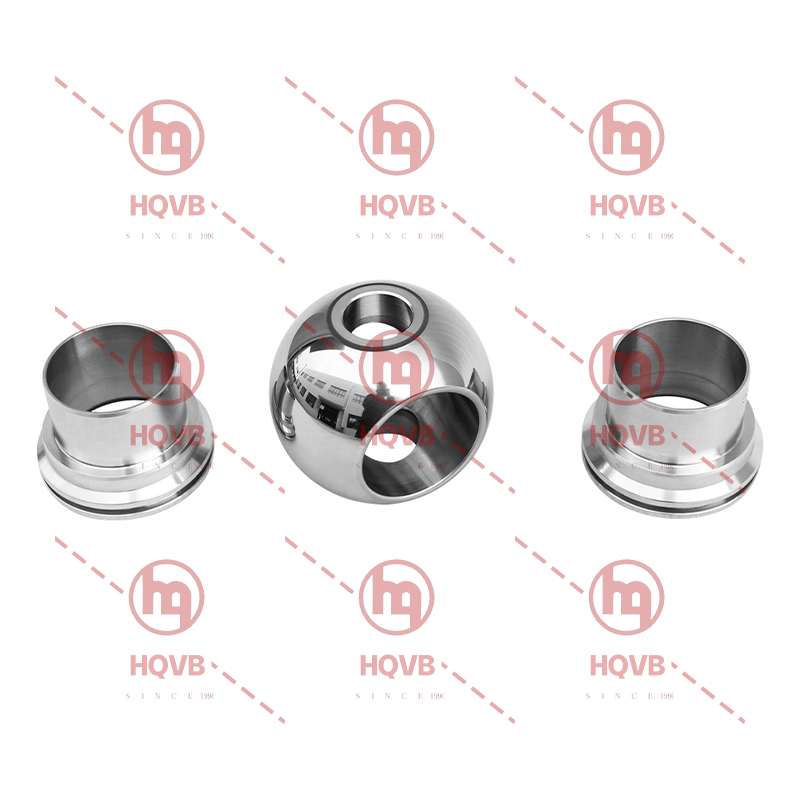
The seat is one of the parts that most directly affects sealing behavior. Even when the external body looks similar, the seat material can change how the valve feels, how it closes, and how long the sealing surface holds its shape.
A softer seat can help the contact face adapt to the ball surface during closure. That can support tighter shutoff in suitable service conditions. At the same time, material choice also affects how the seat reacts to heat, pressure, and repeated movement. Some materials hold contact well under gentle service but lose shape more quickly when the load pattern becomes less stable.
The main factors usually include:
- Elastic recovery after compression
- Resistance to surface indentation
- Response to heat and cooling changes
- Compatibility with the media being handled
Material choice is rarely a single yes or no decision. It is a balance between sealing behavior and long term shape retention. When the seat remains stable, the valve tends to feel more consistent during operation. When the seat deforms, the closing feel can change and the sealing line can become less even.
Why does differential pressure affect performance behavior in a Soft Seated Ball Valve
Pressure difference across a valve changes the force acting on the sealing interface. That force can make closure feel firmer, or it can make operation feel less steady depending on how the internal parts are arranged.
When one side of the valve carries more pressure than the other, the ball and seat are no longer working under equal conditions. The load is pushed toward one side, which can alter contact balance. In some cases, the increased force helps the seat press into the ball more closely. In other cases, it can make turning effort rise and change the way the valve responds during opening or closing.
This matters because operating behavior is not only about movement. It is also about how the internal surfaces share the load while that movement happens.
A practical way to think about it is this:
- Lower pressure difference often gives a smoother operating feel.
- Higher pressure difference can change the force needed at the handle or actuator.
- Uneven load may influence how evenly the sealing surface wears.
The result is that pressure difference becomes part of the valve behavior itself, not just a background condition. A Soft Seated Ball Valve can still perform well in such service, but the operating pattern and seat response should match the expected load range.
How do floating ball and trunnion designs change operating behavior in Soft Seated Ball Valve structures
Internal support changes the way the ball shares load with the rest of the valve. In a floating ball arrangement, the ball can shift slightly under pressure, so the seat often takes part in positioning the sealing contact. In a trunnion supported arrangement, the ball is held more firmly in place, so the load path is distributed in a different way.
That difference affects several things at once. It changes the turning feel. It changes where contact pressure is concentrated. It also changes how the valve responds when pressure difference rises.
| Structural form |
Operating feel |
Sealing contact behavior |
Common service impression |
| Floating ball |
Can feel more affected by line pressure |
Seat takes a stronger role in contact support |
Suits simpler service patterns |
| Trunnion support |
Can feel steadier under changing load |
Contact balance is more controlled |
Suits service with more load variation |
The point is not that one structure always replaces the other. The point is that structure changes the internal behavior of the valve. For an operator, that can mean a different handle feel. For a designer, that can mean a different load path. For maintenance, that can mean different wear patterns over time.
When reviewing a Soft Seated Ball Valve, the question is often whether the internal support matches the service pattern. That match usually matters more than appearance alone.
What flow conditions may increase wear risk in Soft Seated Ball Valve applications
Flow inside a pipeline is rarely perfectly steady. Even in controlled systems, there are small shifts in velocity, direction, and particle movement. These changes gradually affect how the sealing surfaces interact during operation.
Wear does not only depend on whether particles are present. It also depends on how those particles behave when they pass through the closing region. If movement becomes uneven near the sealing interface, repeated light contact can occur in the same area. Over time, this can change how smooth the sealing surface remains.
Conditions that often relate to higher wear tendency include:
- Media carrying solid particles that remain in suspension
- Local acceleration of flow near the valve passage
- Repeated partial opening during routine operation
- Flow disturbances caused by upstream layout changes
In a Soft Seated Ball Valve, the sealing interface relies on close surface contact. When small abrasive elements are involved, even limited interaction can influence the surface condition gradually. The change is usually slow and may first appear as slight variation in closing feel rather than obvious leakage.
How does temperature variation impact sealing life in a Soft Seated Ball Valve system
Temperature changes affect both metallic parts and sealing materials, but they do not respond in the same way. This difference creates a shifting contact condition between the ball and the seat.
When temperature rises, the seat material can become more flexible. The contact area may adjust more easily to the ball surface. However, if this condition continues for long periods, the material may lose some ability to maintain its original shape.
When temperature drops, the opposite effect appears. The material becomes less adaptable, and the sealing surface may not conform as easily during closure. This can slightly change how the valve feels during operation.
Important influences include:
- Different expansion rates between internal parts
- Changes in material stiffness under temperature shift
- Variation in contact pressure at the sealing interface
- Repeated heating and cooling cycles during service
A Soft Seated Ball Valve used in changing temperature conditions relies on how well the seat maintains a balanced response over time rather than reacting strongly to short-term changes.
Which operating environments are more suitable for Soft Seated Ball Valve usage
Suitability is usually related to how stable the service conditions remain during operation. When the medium and pressure conditions stay relatively steady, the sealing interface is easier to maintain in a consistent state.
These valves are often used in environments with cleaner media and limited solid content. In such cases, the contact surfaces are less exposed to abrasion, and the sealing behavior remains more predictable.
Typical conditions that align with this type of design include:
- Media with low particle content
- Operation with limited sudden pressure changes
- Systems where flow remains relatively steady
- Fluids that do not strongly interact with seat materials
When conditions become more aggressive, such as frequent disturbance or heavy contamination, the sealing interface may experience faster change. In those cases, selection needs closer attention to expected service behavior.
A Soft Seated Ball Valve generally fits better in systems where operational stability is more important than handling extreme or highly variable conditions.
How can maintenance and torque monitoring help evaluate Soft Seated Ball Valve condition over time
The way a valve feels during operation often reflects what is happening inside. One of the most practical signals is the torque required to move the handle or actuator.
When internal surfaces remain stable, the operating force tends to stay relatively consistent. If changes begin to appear inside the valve, such as surface wear or contact variation, the torque behavior may shift gradually.
In maintenance practice, attention is often given to:
- Gradual change in opening or closing force
- Differences in movement smoothness during repeated cycles
- Variations in the final closing position feel
- Surface condition during periodic inspection
| Observation point |
Possible condition inside valve |
What it may indicate in use |
| Increasing torque over time |
Higher internal contact resistance |
Possible wear or tighter sealing contact |
| Uneven operating feel |
Non-uniform surface interaction |
Localized change in sealing area |
| Stable torque behavior |
Balanced internal contact state |
Consistent sealing condition |
| Lower resistance during closing |
Reduced contact pressure |
Possible weakening of sealing tightness |
For a Soft Seated Ball Valve, these signals are often subtle at the beginning. Interpreting them together gives a clearer view of how the sealing interface is evolving within the system.

 English
 中文简体
中文简体
 русский
 Español
 عربى
عربى
 italiano