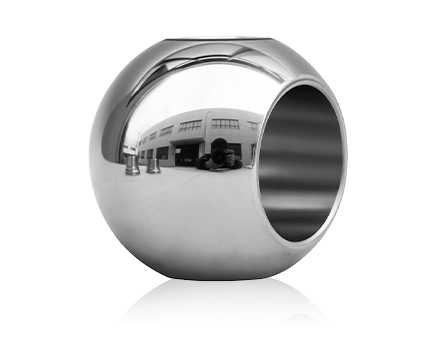
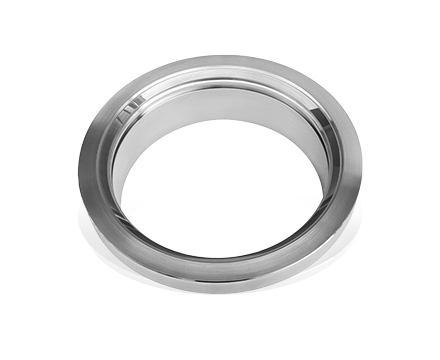
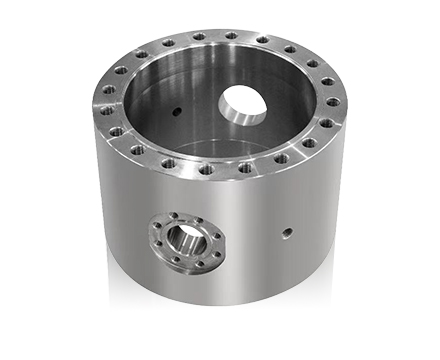
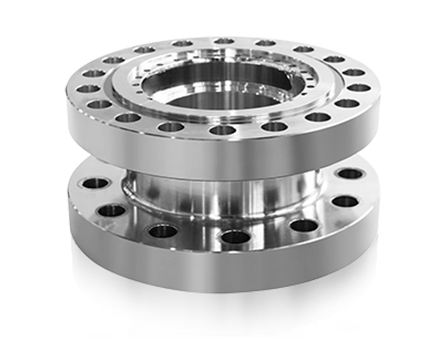
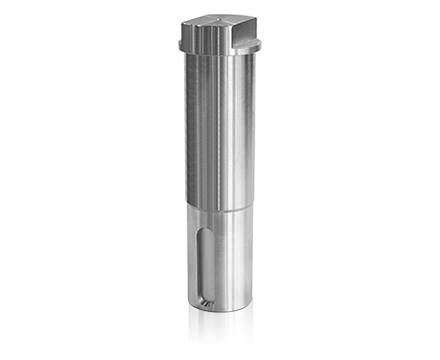
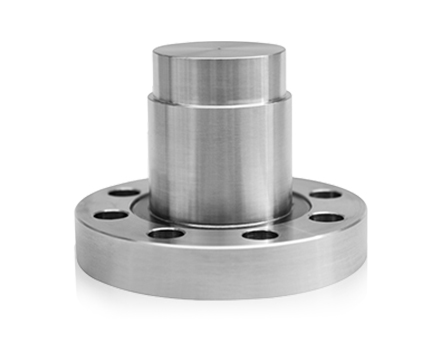
The current conversation around Trunnion Ball Valve Manufacturers often starts with a simple question: what makes one supply source fit a project better than another. In practice, the answer is usually tied to design intent, machining control, sealing behavior, material choice, and how the valve is expected to behave over time. Buyers rarely look at a single feature in isolation. They compare the way each part of the valve supports stable operation, predictable maintenance, and consistent installation.
A useful way to read the market is to think in layers. The first layer is the intended use case. The second layer is how the valve is built. The third layer is how carefully it is checked before shipment. The fourth layer is whether it remains steady once it is placed into service. That sequence gives a clearer view of why some manufacturers are treated as routine suppliers while others are reviewed more closely for project work.
| Area of interest |
What readers usually want to know |
Why it matters |
| Design intent |
How the valve is shaped for its job |
It affects fit, flow behavior, and service life |
| Production control |
How parts are kept aligned and consistent |
It affects repeatability and assembly quality |
| Sealing behavior |
How contact surfaces behave during use |
It affects tightness and operational stability |
| Service response |
How the valve behaves after installation |
It affects maintenance planning and risk control |
What Trunnion Ball Valve Manufacturers Consider in Valve Design and Use
In industrial projects, design starts with the operating environment. A valve that will be installed in a steady system is judged differently from one that must deal with changing conditions, frequent operation, or difficult media. Trunnion Ball Valve Manufacturers usually shape their design choices around these expectations rather than around appearance or catalog language.
The main concern is how the moving parts are supported. A supported ball arrangement changes the way load is carried during opening and closing. That support can help keep motion steady and reduce strain on the sealing surfaces. The result is not simply about easier turning. It is about how the entire structure manages force during repeated service.
Another practical point is space. Many projects do not leave room for excess installation effort or awkward maintenance access. A design that allows direct alignment, clear mounting, and straightforward servicing often fits better into real plant conditions. That is one reason buyers often ask how the valve is intended to be handled rather than only how it is named.
In project discussions, common questions tend to include:
- How will the valve be installed in the available layout
- How often will it be operated
- What kind of media will pass through it
- What kind of maintenance access will be available later
These questions are basic, but they shape the entire selection path. When they are answered early, the rest of the review becomes more focused and less speculative.
How Trunnion Ball Valve Manufacturers Control Machining Accuracy in Production
Production quality often becomes visible long before a valve is put into service. Small alignment issues can create larger concerns once the valve is assembled, tested, and installed. For that reason, precision in machining is not a secondary matter. It sits near the center of manufacturing credibility.
A controlled process usually begins with consistent part preparation. Each machined surface must match the next stage of assembly without forcing extra correction. If the parts do not fit cleanly, the assembly team may spend time compensating for variation, which can create uneven wear later. That is why machining control is closely tied to final reliability.
The important point is not perfection in the abstract. It is repeatability. A supplier that can produce similar fit and movement across multiple units gives buyers more confidence in how the valve will behave in the field. That consistency is especially important when a project requires several units that must perform in the same way.
Here is a simple way to read machining quality:
- Clean fit between moving and fixed parts
- Stable alignment during assembly
- Smooth contact where sealing surfaces meet
- Fewer adjustments needed before final testing
When these signs are present, the production process usually feels controlled rather than improvised. That is often the difference between a valve that merely leaves the workshop and one that arrives ready for serious use.
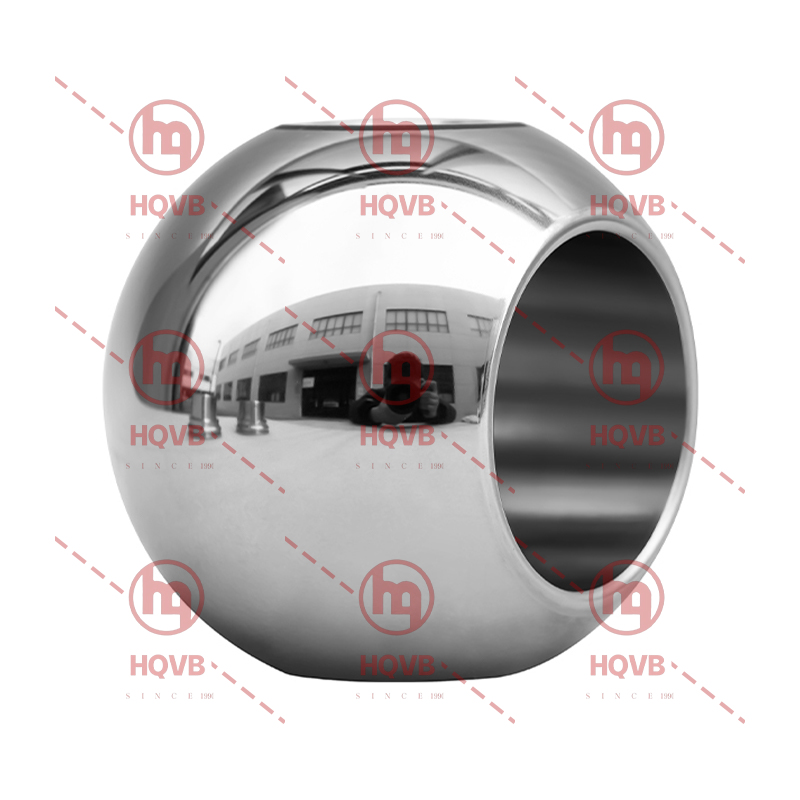
What Design Factors Affect Sealing in Trunnion Ball Valve Manufacturers Products
Sealing is one of the most closely watched points in valve selection. Buyers often focus on this area because it affects both short-term operation and longer service patterns. A sealing system is not judged only by whether it closes. It is judged by how it behaves under changing pressure, changing temperature, and repeated operation.
Contact shape matters. If the sealing surfaces meet in a controlled and even way, the valve is more likely to keep a steady shutoff condition. If contact becomes uneven, wear can develop in a way that changes performance over time. For that reason, design choices around seat form, contact area, and movement path deserve close attention.
The flow of force through the valve body also matters. When pressure moves against the closure element, the structure must manage that force without disturbing the seal. That is one reason different layouts can behave differently even when they look similar from the outside. The internal arrangement often decides how stable the closing action will be.
In practical terms, a sealing review often looks at three things:
- How the seat touches the closure element
- How pressure shifts across the internal space
- How the seal responds after repeated use
These are not abstract concerns. They are the details that influence whether the valve remains dependable after installation. Trunnion Ball Valve Manufacturers that treat sealing as a system issue rather than a single part issue usually offer a more consistent product path.
Which Materials Trunnion Ball Valve Manufacturers Choose for Pressure Service
Material choice is one of the clearest signals of whether a valve matches its intended service. The same design can behave differently depending on the body, trim, and sealing materials used inside it. That is why material selection is usually linked to the surrounding process conditions rather than chosen as a fixed package.
A sensible material choice balances strength, resistance to wear, and compatibility with the medium. If the selected material is too rigid for the operating pattern, it may struggle under repeated load. If it is too soft for the duty, wear can appear too early. The goal is not to push one property to an extreme. The goal is to create a stable balance that suits the service.
Material selection also affects maintenance planning. Some combinations are easier to inspect, repair, or replace than others. That practical side matters because buyers are not only purchasing a valve for installation day. They are also considering how it will behave after long use and whether future servicing will remain manageable.
Trunnion Ball Valve Manufacturers often align materials with questions such as:
- Will the valve face steady or changing pressure
- Will the medium be clean or abrasive
- Will the installation face heat, cold, or shifting conditions
- Will future repair access be simple or limited
When these points are handled carefully, the valve choice becomes more grounded. The selection is then based on service fit, not on general description alone.
How Trunnion Ball Valve Manufacturers Perform Testing and Quality Inspection
Testing is where design intent meets practical verification. A valve may look well made during assembly, but the real question is whether it keeps behaving in a controlled way once pressure, movement, and operating conditions begin to act on it. For that reason, inspection is not a final formality. It is part of the product itself.
A careful testing process usually checks several layers. The first layer is whether the body and internal parts are assembled in a consistent way. The second layer is whether the sealing surfaces close in the way they were intended to close. The third layer is whether the valve keeps that behavior after repeated checks. Each layer gives a different kind of confidence.
What matters most is not the existence of a test record by itself. It is whether the test process reflects the way the valve will actually be used. A valve that is expected to see steady operation should be checked for smooth action and reliable shutoff. A valve that will face changing conditions should be checked for stability across a wider range of use.
A practical inspection routine often includes:
- Visual review of key surfaces and assembly points
- Movement checks to confirm smooth opening and closing
- Leak-related checks to see whether the seal holds as expected
- Final verification that the finished unit matches the ordered build
The value of these steps is in the pattern they reveal. If one part of the process shows repeated variation, that often points to a broader production issue. If the results stay steady from unit to unit, buyers can read that as a sign of controlled manufacturing rather than isolated success.
Another point is traceability. Buyers often want to know whether the maker can connect a finished valve back to its material and production record. That link matters because it supports later service work and helps explain how the unit was built. In industrial purchasing, that kind of detail often matters more than presentation language.
When people compare suppliers, they often ask not only how a valve is tested, but also how the test results are used. A strong process does more than pass or fail a part. It helps shape the next decision, whether that means adjustment, rework, or release.
Why Trunnion Ball Valve Manufacturers Are Used in Pipeline and Offshore Systems
Pipeline and offshore settings place unusual demands on equipment. Space can be limited, service access may be difficult, and operating conditions can change in ways that are not always gentle. That is one reason this valve type appears often in such systems. The structure is arranged to manage load in a steady way, which suits installations where reliable control is more important than simplicity alone.
In pipeline work, the main concern is often consistent movement and stable shutoff. A valve that behaves predictably under pressure change can fit well into long transfer systems. The operating environment may involve repeated use, but it may also demand long periods of quiet service. In both cases, the valve must remain ready without drawing attention to itself.
Offshore use adds another layer. Access can be restricted, maintenance windows can be narrow, and conditions around the installation may place extra stress on the equipment. That is why engineers tend to examine the mechanical layout closely. The internal support structure, sealing approach, and material choice all matter when replacement or repair is not simple.
The reasons for use in these systems often include:
- Controlled movement under load
- Stable sealing behavior during service
- Suitability for demanding layouts
- Better fit with maintenance limits in hard-to-reach locations
There is also a practical procurement angle. When a project team chooses a valve for line service or offshore placement, they are often thinking about long-term handling rather than only initial purchase. They want a unit that can be installed with confidence, checked with clarity, and serviced without unnecessary complication.
That is why the supply conversation usually goes beyond a catalog description. Buyers may ask how the design responds to changing pressure, how the body behaves during operation, and how the unit will be maintained later. Those questions are not separate from the application. They are part of it.
A project team may compare several options and still return to the same basic filter: does the valve match the operating context. If the answer is yes, the installation path becomes more direct. If the answer is uncertain, the review tends to continue. In that sense, the use of these valves in pipeline and offshore systems is not about trend. It is about fit.

 English
 中文简体
中文简体
 русский
 Español
 عربى
عربى
 italiano