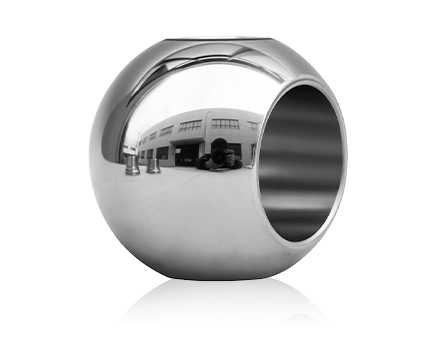
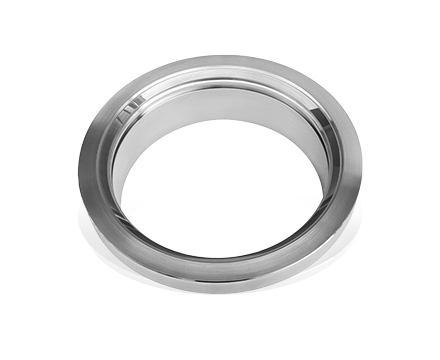
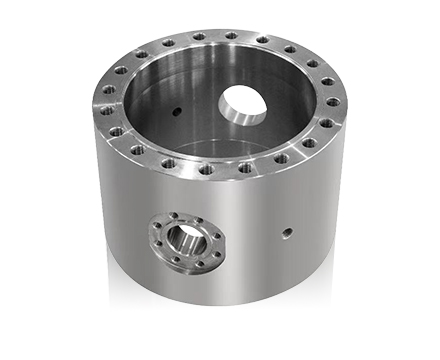
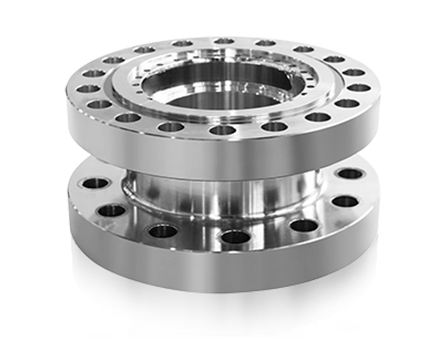
In a lot of fluid control systems, valve components really need to match up with specific operating conditions, equipment structures, and application demands. The ball sitting inside a ball valve plays a genuinely important role here, since its shape, surface condition, and connection design all shape how the valve ends up controlling flow.
A Custom Ball Valve Ball comes into the picture when a standard component just can't fully match a particular valve design. Engineers might need different dimensions, materials, openings, or surface treatments to fit whatever special equipment they're working with. Rather than reworking an entire system from scratch, a customized ball component can offer a much more suitable option for specific valve structures.
The design process runs through several considerations — application conditions, material selection, machining methods, quality inspection, and so on. Even a small change to the ball's structure can ripple into installation compatibility, sealing performance, and how stable the operation ends up being.
For manufacturers, producing customized valve components takes attention starting right from the early design stage through to final processing. Understanding customer drawings, picking suitable materials, and controlling manufacturing details carefully — these are the steps that really go into creating reliable valve parts.
What Is a Custom Ball Valve Ball and How Does It Support Valve Design
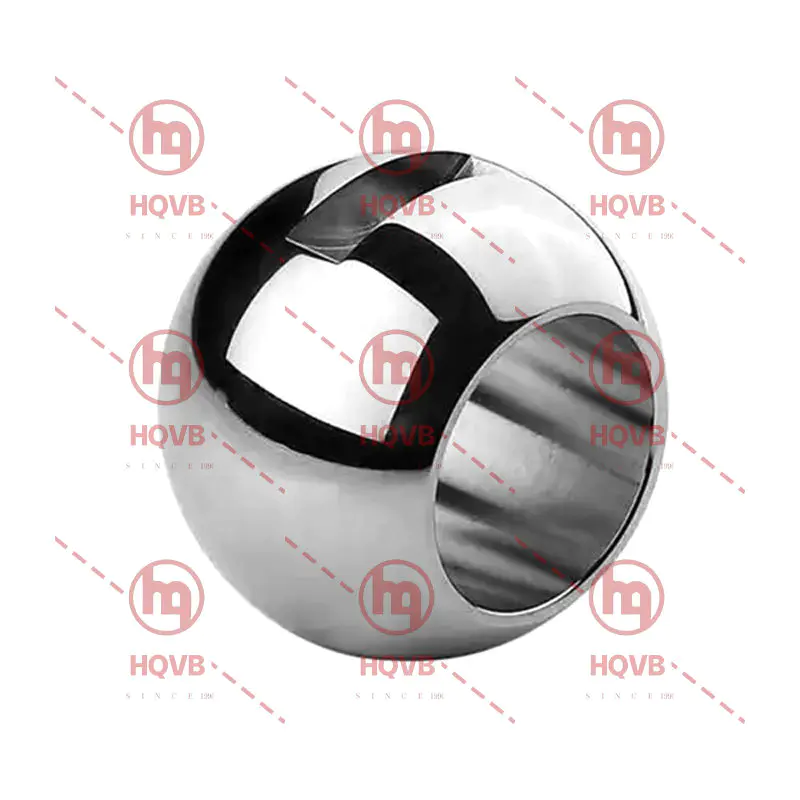
A ball valve relies on a rotating ball component to control how fluids move through it. As the ball rotates, the opening position shifts, which lets the valve regulate or shut off flow entirely. The design of this internal piece really does shape how the whole valve works within a larger system.
A customized ball component gets built around specific requirements, rather than pulled from some general-purpose catalog. Different industries tend to need different shapes, sizes, or material properties, mostly because working environments genuinely aren't the same across the board.
Some valve systems, for instance, need a particular opening design to line up with flow paths, while others might call for specific surface conditions to work properly with sealing components. These kinds of requirements are really why customization has become such a core part of valve manufacturing.
Common reasons people opt for a customized design:
- Matching existing valve structures
- Supporting special equipment layouts
- Adjusting material choices for different environments
- Meeting specific installation requirements
| Design Element |
Influence on Valve Application |
| Ball size |
Helps match the valve structure |
| Opening design |
Affects flow direction and control |
| Surface condition |
Influences contact with sealing parts |
| Material choice |
Relates to environmental compatibility |
A well-planned design really starts with understanding how the valve's actually going to be used. Manufacturers usually work through technical drawings, application details, and performance expectations before production even begins.
What Factors Should Engineers Consider When Designing Custom Ball Valve Balls
Designing a valve ball takes more than just picking out a round metal component. Engineers genuinely need to think through how the part interacts with the entire valve system around it.
Dimensional compatibility's a big one here. The ball needs to fit correctly inside the valve body and work alongside other internal components without friction. Get the dimensions wrong, and assembly or operation can suffer for it.
The internal opening design matters just as much. Different flow requirements often call for different opening shapes, so engineers tend to evaluate how the opening position relates to the overall valve structure before locking the design in.
Factors that commonly get reviewed at the design stage:
- Overall dimensions
- Connection requirements
- Opening structure
- Surface treatment needs
- Material characteristics
The production process really hinges on how accurate the design information is going in. Clear drawings and specifications help manufacturers understand exactly what's needed and cut down on unnecessary back-and-forth adjustments later.
Good communication between engineers and manufacturers tends to make the whole development process a lot smoother. Talking through application conditions early on lets the design line up better with the environment it's actually headed into.
How to Choose the Right Custom Ball Valve Ball Dimensions for Different Applications
Dimension selection is a genuinely important step when developing valve components. A suitable size lets the ball work properly alongside the valve body and every other related part.
Different applications tend to call for different dimensional choices. A valve running inside industrial equipment might have pretty different requirements than one built for smaller systems. The selection process usually weighs installation space, connection structure, and operating conditions together.
Dimensional factors worth thinking through:
- Ball diameter
- Opening size
- Thickness requirements
- Connection measurements
- Manufacturing tolerance
| Dimension Consideration |
Why It Matters |
| Diameter |
Determines compatibility with valve structure |
| Opening size |
Influences flow passage design |
| Tolerance |
Supports proper assembly |
| Shape accuracy |
Helps maintain consistent movement |
Choosing dimensions really isn't only about matching numbers on a spec sheet. Engineers also need to think through how the component's going to perform once it's actually installed. A suitable design balances structural requirements against practical, real-world application needs.
For manufacturers, reviewing drawings carefully before production starts helps sidestep problems that tend to come from unclear specifications or mismatched dimensions.
Which Materials Are Suitable for Custom Ball Valve Ball Manufacturing in Different Environments
Material selection shapes how a valve component holds up under different working conditions. The right choice really depends on things like fluid type, temperature range, and how much durability the application actually calls for.
Stainless steel tends to get considered often for applications where corrosion resistance and surface stability matter a lot. Other alloy materials might get picked when specific mechanical properties are needed instead.
Different environments bring different material considerations along with them:
- Chemical systems may need materials that handle particular fluids
- Water-related equipment tends to focus on corrosion resistance
- Industrial machinery may call for materials suited to repeated operation
The material really should match the actual application, rather than leaning on one single option for every situation across the board.
Manufacturers often work through:
- Contact environment
- Mechanical requirements
- Processing suitability
- Surface treatment compatibility
A suitable material choice supports steady valve operation and helps the component hold onto its intended function throughout use.
How Are Custom Ball Valve Balls Manufactured From Material Selection to Precision Processing
Manufacturing a valve ball runs through several connected stages, starting with material preparation and moving through machining and inspection.
Once suitable raw materials get selected, manufacturers process the material into the required shape. Precision machining is what actually achieves the necessary dimensions and surface conditions along the way.
Typical production steps tend to include:
- Material preparation
- Shape processing
- Surface finishing
- Dimension checking
- Final inspection
During machining, controlling roundness and surface quality matters a lot, since the ball needs to interact smoothly with other components inside the valve.
Surface finishing plays a genuinely important role in production too. A properly processed surface can support better contact between the ball and whatever sealing elements it's paired with.
Quality inspection helps confirm the finished component actually matches what was specified. Manufacturers usually check dimensions, appearance, and functional requirements before anything gets shipped out.
The manufacturing process really connects design ideas with actual physical components. Careful control at each stage helps produce a Custom Ball Valve Ball that genuinely matches what the customer needs.
Why Does Surface Finish Matter for Custom Ball Valve Ball Sealing Performance
The surface condition of a valve ball can shape how well it works alongside sealing components. Even small surface differences can end up affecting contact between parts more than people might expect.
A smooth, properly processed surface helps create a more suitable interaction between the ball and whatever's around it. Surface treatment methods usually get selected based on application needs and material characteristics together.
Factors tied to surface performance include:
- Surface smoothness
- Processing consistency
- Material response
- Contact conditions
Poor surface conditions can contribute to issues like uneven contact or faster wear during operation. That's really why manufacturers pay close attention to finishing processes once machining wraps up.
Surface treatment really isn't just a cosmetic step tacked on at the end. It's genuinely tied to how the component functions once it's inside the valve system doing its job.
How Can Custom Ball Valve Balls Support Valve Performance in Chemical Oil and Water Systems
Different industries run valve systems under pretty different conditions, and that naturally creates different requirements for the internal components involved.
In chemical processing environments, material compatibility tends to be a big consideration, since the component might come into contact with a range of different fluids. Engineers really need to evaluate whether the selected material and design genuinely fit the application at hand.
In oil-related equipment, valve components might need designs that line up with specific system structures and operating conditions. The ball design has to work in step with the complete valve assembly around it.
Water treatment systems carry their own set of requirements too. Corrosion resistance, maintenance needs, and equipment compatibility can all shape how components get selected.
| Application Area |
Common Considerations |
| Chemical systems |
Material compatibility and surface condition |
| Oil equipment |
Structure matching and operating environment |
| Water systems |
Corrosion resistance and maintenance requirements |
A customized approach lets manufacturers adjust their designs around different application situations, rather than forcing one standard solution across every environment out there.
Tips for Selecting a Reliable Custom Ball Valve Ball Manufacturer for Your Project
Picking a suitable manufacturer really takes more than just comparing product specs on paper. Buyers usually need to evaluate whether the supplier can genuinely understand technical requirements and provide steady production support throughout the project.
Points worth thinking through:
- Manufacturing experience
- Ability to process custom drawings
- Quality inspection procedures
- Communication efficiency
- Production flexibility
A supplier should really be able to talk through material options, design details, and manufacturing processes clearly and openly. Good communication helps both sides confirm expectations before production actually kicks off.
Before placing an order, it's worth pulling together useful information like:
- Technical drawings
- Application conditions
- Material preferences
- Required surface treatments
A careful selection process helps cut down on misunderstandings and supports smoother cooperation between buyers and manufacturers as the project moves forward.
For projects that need a genuinely Custom Ball Valve Ball, finding a manufacturer that understands both the engineering side and the practical production requirements can make the whole development process a lot more efficient.

 English
 中文简体
中文简体
 русский
 Español
 عربى
عربى
 italiano