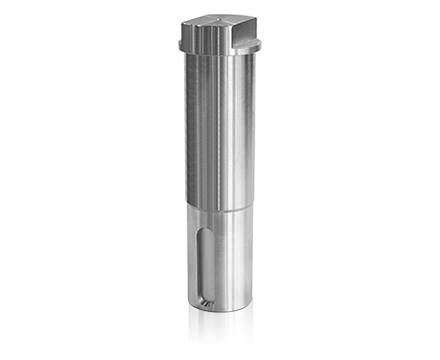
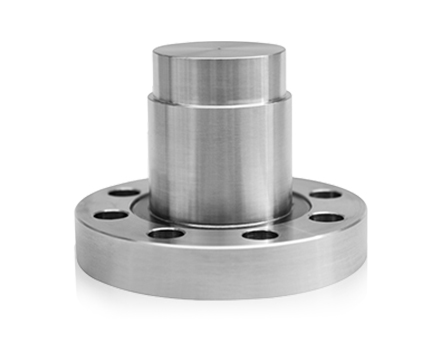
A valve might look like just a small fitting somewhere along a large pipeline, but its role shapes how fluid actually moves, stops, and flows through an entire system. Among the many valve designs out there, flanged ball valves show up constantly in industrial settings because they combine a rotating control mechanism with a connection method that can actually be taken apart.
A Ball Valve Flange links up with pipe sections through matching flange ends, which makes installing, inspecting, and maintaining the valve a lot more convenient over time. This design tends to get chosen specifically for systems where steady operation, accessible maintenance, and a practical connection method all matter at once.
For engineers, buyers, and equipment operators, picking the right valve isn't just about the product sitting on the shelf. Pipeline conditions, fluid characteristics, material choice, installation approach, and ongoing maintenance plans all shape how well a Ball Valve Flange actually performs once it's in service.
How Does a Ball Valve Flange Work and Why Is It Used in Industrial Piping Systems
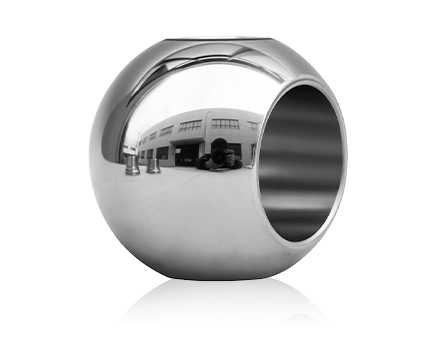
The working principle behind a ball valve comes down to a rotating ball sitting inside the valve body. That ball has a passage running through it, and fluid moves along freely whenever that passage lines up with the pipeline. Turn the handle or actuator, and the ball rotates, shifting the passage's position and controlling flow accordingly.
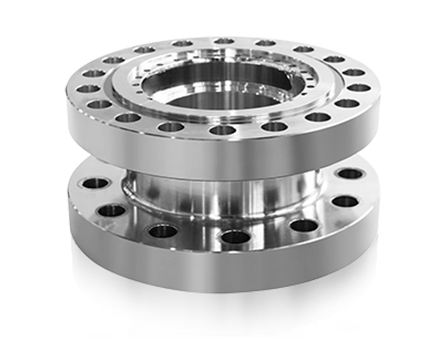
The flange connections on either side let the valve attach securely between pipeline sections. Compared with methods that join pipe permanently, a flange connection makes it far easier to gain access whenever inspection or replacement becomes necessary down the line.
A typical Ball Valve Flange structure generally includes:
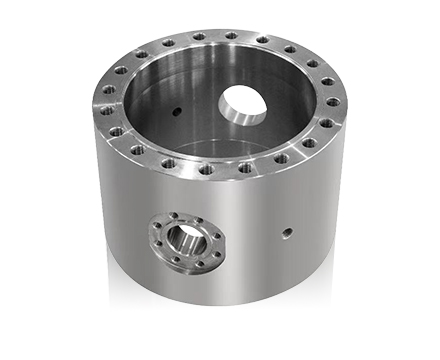
- A valve body that houses and protects the internal components
- A rotating ball that controls the actual flow path
- A stem that transfers operating force from the handle to the ball
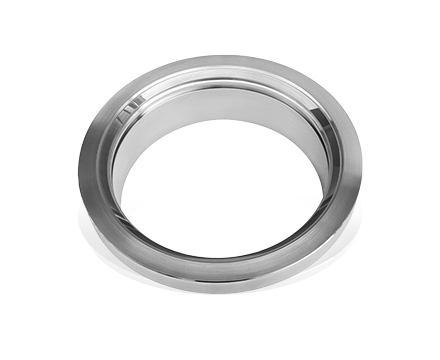
- Seat materials that support sealing around the ball
- Flange ends that connect directly with the surrounding pipeline
Different working environments call for different design approaches. A water system, for instance, tends to have very different requirements than a chemical processing line, simply because the fluids, temperatures, and general operating conditions vary so much between them.
| Component |
Main Function |
| Ball |
Opens or closes the flow passage |
| Stem |
Connects the operating handle to the ball |
| Seat |
Supports sealing around the rotating ball |
| Flange End |
Connects the valve directly to the pipeline |
Part of the reason so many industrial systems lean on this valve type comes down to how it operates and how convenient it is to install. A quarter-turn motion allows for quick, decisive control, while the flange connection makes ongoing pipeline maintenance noticeably easier to manage.
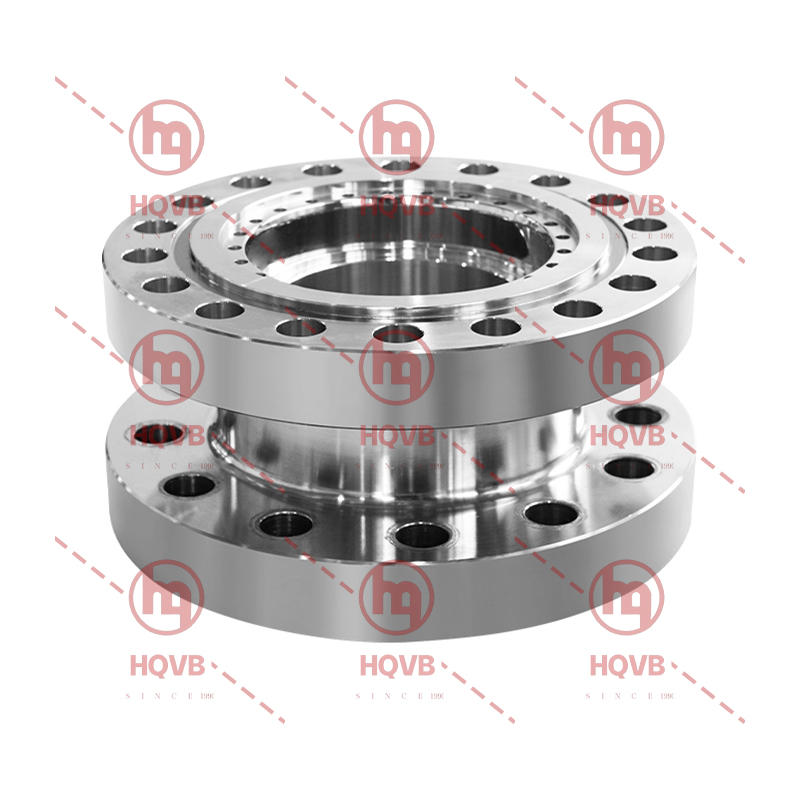
How to Choose the Right Ball Valve Flange for Different Pipeline Applications
Choosing a suitable Ball Valve Flange takes more than just matching up a size on a spec sheet. The pipeline environment, the operating conditions, and the characteristics of the fluid moving through it all shape what actually works well.
Before buying, it helps to work through a few core questions:
- What kind of fluid will actually be passing through this system?
- What temperature range will the valve need to handle?
- What connection method matches the existing pipeline setup?
- What pressure conditions is the valve expected to manage?
A valve meant for clean water generally calls for different material properties than one handling industrial fluids. In the same way, a pipeline that gets operated frequently has different needs than one that stays in a stable, steady state for long stretches at a time.
Connection size needs to line up with the pipeline design too. A mismatch here tends to cause installation headaches and often leads to extra adjustment work once the system is already running.
| Selection Factor |
Why It Matters |
| Fluid Type |
Helps determine suitable materials and sealing options |
| Operating Environment |
Shapes the overall design requirements |
| Pipeline Size |
Ensures a proper fit with the existing system |
| Maintenance Conditions |
Influences future inspection and replacement work |
Getting a clear picture of the working environment up front helps buyers communicate more effectively with manufacturers, which cuts down on selection mistakes before they turn into costly problems later.
Which Ball Valve Flange Material Fits Your Working Environment and Fluid Type
Material choice plays a genuinely important role in how well a Ball Valve Flange performs over time. Different materials hold up differently when facing moisture, chemical exposure, temperature swings, or mechanical stress.
Stainless steel tends to get chosen for environments where corrosion resistance really matters. Carbon steel designs, on the other hand, often suit general industrial applications where strength and durability line up well with the working conditions at hand.
The fluid itself is just as important a factor. Certain chemicals or liquids interact differently with different valve materials, so picking a compatible combination genuinely helps maintain stable, dependable operation over the long run.
Common material considerations tend to include:
- Resistance to corrosion over time
- General compatibility with the fluid being handled
- Expected temperature range during operation
- How much ongoing maintenance the material realistically demands
Manufacturers typically walk through these factors before recommending a suitable configuration. Getting the material choice right helps cut down on unnecessary part replacements and keeps the wider system running consistently.
How Is a Ball Valve Flange Manufactured From Material Selection to Final Testing
Manufacturing a Ball Valve Flange runs through several connected stages, each one shaping the quality of the finished product. The process generally starts with material preparation, then moves through machining, assembly, and final inspection before anything ships out.
During machining, individual parts get shaped to match the design specifications closely. The internal surface finish, how well components fit together, and connection accuracy all affect how smoothly the finished valve ends up operating.
Once assembly wraps up, manufacturers typically run through a set of checks — opening and closing movement, sealing condition, and overall connection quality all get verified before the product moves any further.
A general manufacturing sequence tends to follow this rough pattern:
- Preparing and inspecting raw materials
- Machining individual components to spec
- Assembling internal and external parts together
- Running performance checks before shipment
Careful attention throughout production genuinely helps ensure the finished Ball Valve Flange actually matches what the intended application requires, rather than just meeting a generic baseline.
How to Install a Ball Valve Flange Correctly in a Pipeline System
Proper installation has a very direct effect on how well a valve ends up performing. Even a well-manufactured Ball Valve Flange can run into trouble if the installation process itself gets rushed or handled carelessly.
Before installing, it's worth checking that the valve genuinely matches the pipeline design. Flange surfaces need to line up correctly, and connection parts should go in following a sensible, methodical procedure rather than guesswork.
Common installation points worth paying attention to include:
- Confirming flange alignment before tightening anything down
- Checking that sealing components are properly seated
- Avoiding placing unnecessary stress on the valve body during installation
- Leaving enough surrounding space for future operation and maintenance access
A well-thought-out installation environment lets the valve operate smoothly from day one and makes any future inspection work noticeably more straightforward.
Why Does a Ball Valve Flange Leak and How Can Common Problems Be Checked
Leakage is one of the more common concerns that comes up around valve operation. That said, the underlying cause isn't always the valve itself — installation conditions, sealing components, and the surrounding operating environment can all play a role in whether leaks show up.
Common causes tend to include:
- A flange connection that wasn't properly aligned or tightened
- Sealing parts that have worn down or become damaged
- Operating conditions that fall outside what the valve was designed for
- Material compatibility issues with the fluid passing through
When a leak does appear, checking the connection area, the condition of the sealing components, and the surrounding pipeline environment usually helps narrow down the likely cause fairly quickly.
Regular inspection lets users catch these changes early, giving them room to take appropriate maintenance steps before a small, manageable issue grows into something that affects the wider system.
Ball Valve Flange vs Threaded Ball Valve Which Connection Method Works for Your Project
Different connection methods really do suit different kinds of applications. Flange connections and threaded connections each bring their own strengths to the table, and neither one works as a universal answer.
| Connection Type |
Common Characteristics |
| Flanged Connection |
Suits systems that need easier removal and regular inspection |
| Threaded Connection |
Often chosen where installation space runs limited |
A flange connection tends to work well in larger pipeline systems where routine maintenance access genuinely matters. A threaded connection, meanwhile, often fits better in applications where space is tighter and a more compact installation makes more practical sense.
The right choice really comes down to pipeline layout, how much maintenance access is expected, and the overall operating environment — not some fixed rule that applies everywhere equally.
What Maintenance Tips Can Help Extend the Service Life
Regular maintenance goes a long way toward keeping any valve system running smoothly over time. None of it needs to be complicated, but it should include routine checks based on how the system actually operates day to day.
Useful maintenance habits tend to include:
- Watching for any visible signs of leakage
- Inspecting connection areas on a regular basis
- Keeping moving parts reasonably clean
- Confirming that opening and closing motion stays smooth and consistent
Long stretches without operation can affect moving components, particularly in environments dealing with dust, moisture, or shifting temperatures. Periodic inspection helps flag conditions early, well before they turn into something that needs urgent attention.
A sensible maintenance plan supports steady pipeline operation over the long haul and gives users a much clearer sense of how their equipment is actually holding up.
A Ball Valve Flange is genuinely more than just a connection piece bolted onto a pipeline. Its design, the materials chosen, how it gets installed, and the maintenance approach that follows all shape how well it actually performs within a working system. By thinking through the whole application environment rather than focusing on any single factor alone, users end up making more informed choices and building a setup that genuinely fits their operating needs.

 English
 中文简体
中文简体
 русский
 Español
 عربى
عربى
 italiano