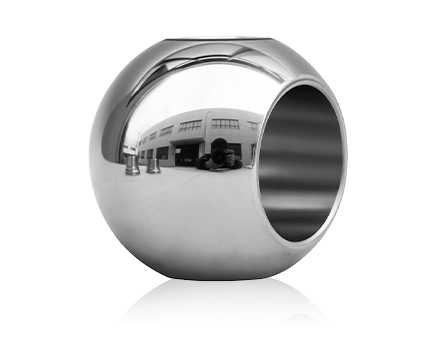
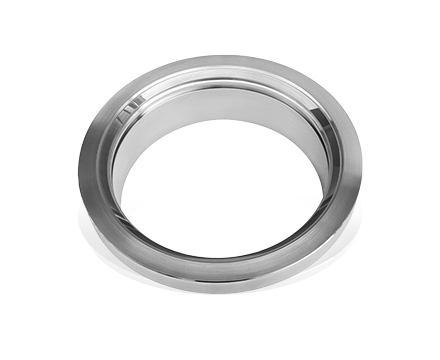
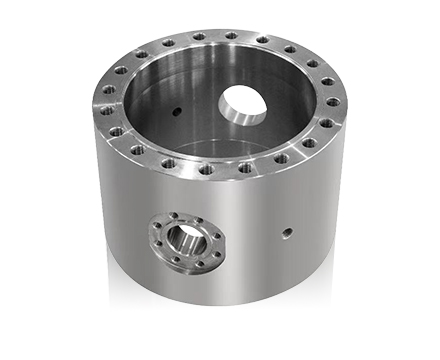
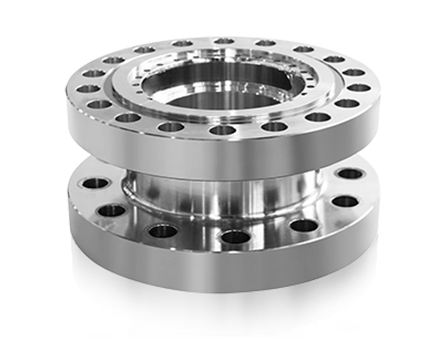
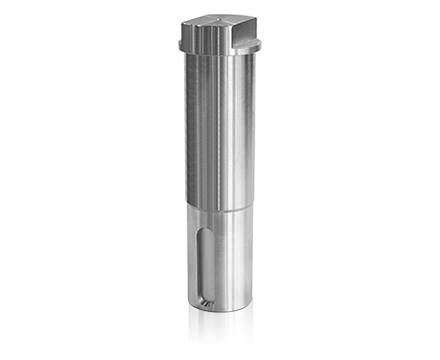
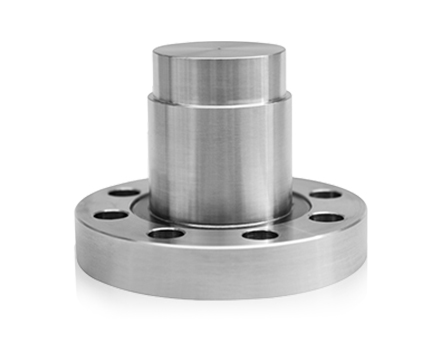
Industrial systems often depend on components that are simple to operate, steady in service, and clear in purpose. A valve is not just a closing point in a pipeline. It shapes how flow moves, how pressure is handled, and how much attention a system needs over time. In that setting, Ball Valve Fixed Ball is a phrase that comes up often because it points to a design built for controlled movement and stable performance in demanding environments.
The value of this design is not only in opening and closing a line. It also lies in how the internal structure supports the ball, how the parts share load, and how the valve responds when conditions change. Buyers, engineers, and factory teams usually care about more than one feature at once. They want a valve that fits the line, matches the medium, and stays manageable during use. That is why the topic deserves a step-by-step look from structure to operation, from selection to maintenance, and from use to production.
What Is a Ball Valve Fixed Ball and How Does Its Structure Work in Industrial Pipelines
A fixed ball design holds the ball in place rather than allowing it to move freely with the flow. The ball rotates to open or close the passage, but it does not drift under pressure in the same way a floating design does. That basic difference shapes how the valve behaves in daily service.
In a pipeline, the structure usually includes the body, the ball, the stem, the seat, and the support points that keep the ball aligned. Each part has a role. The stem passes movement from the outside to the inside. The seat helps seal the line. The support points keep the ball steady so the sealing action stays even.
For many users, the appeal of Ball Valve Fixed Ball is that it makes the operating pattern easier to read. The turn of the handle or actuator is direct, and the internal movement stays consistent. That is useful in systems where the line should open and close with a clear response, not with shifting internal parts.
Why Does a Ball Valve Fixed Ball Use a Supported Ball Design for Better Flow Control
A supported ball design gives the valve a controlled internal balance. Instead of relying on the ball alone to carry the full working load, the structure shares that load across support points. This matters when the line is under pressure or when the valve is part of a larger system that runs for long periods.
The main value is stability. When the ball stays supported, the sealing surfaces can keep contact in a more even way. That can help reduce strain on the operating side and improve how the valve feels during movement. It also gives the manufacturer more room to shape the internal parts for steady performance.
The design does not exist only for heavy service. It also helps make the valve behavior more predictable. That predictability can matter in plants where operators need a clear response and where maintenance teams want fewer surprises. In practical terms, Ball Valve Fixed Ball is often chosen because the internal support helps the valve act with less wandering movement and more regular sealing behavior.
| Design point |
Supported ball design |
Floating ball design |
| Ball movement |
Held in a fixed position |
Moves more with flow and pressure |
| Load handling |
Shared through support points |
More load falls on the ball and seat |
| Operating feel |
Often steady and controlled |
Can feel more direct but less balanced |
| Typical use |
Lines that need stable service |
Smaller or simpler service conditions |
How Does a Ball Valve Fixed Ball Differ From a Floating Ball Valve in Real Applications
The difference is not only in structure. It appears in how the valve behaves under working pressure, how the parts wear, and how the system responds during opening and closing. A floating design lets the ball shift slightly toward the seat when pressure acts on it. A fixed design keeps the ball anchored, so the pressure is handled in a different way.
In real applications, this difference can influence several things. One is the size of the line. Another is the way the valve is used. A line that is opened and closed often may call for a different feel than a line that remains in a fixed operating pattern. The type of medium also matters, because some fluids are more demanding on seats and sealing surfaces than others.
Here is a simple way to view the choice.
| Question |
Fixed ball design |
Floating ball design |
| Does the ball stay supported? |
Yes |
No, not in the same way |
| Is the operating load shared? |
Yes |
Less so |
| Is the structure suited to larger service demands? |
Often |
Sometimes, depending on use |
| Is the selection tied to system conditions? |
Strongly |
Strongly |
For buyers, the main point is not to treat one style as universal. The better question is which design fits the line, the pressure pattern, and the way the plant works.
Why Are Ball Valve Fixed Ball Designs Used in Large Pipeline and Energy Systems
Large pipeline systems ask more from a valve than simple on or off control. They often need a structure that can hold its position, keep sealing surfaces aligned, and remain manageable when the system is under strain. That is where the fixed ball layout becomes relevant.
Energy systems, transfer lines, and industrial distribution networks often operate with changing conditions. Pressure may vary. Flow may change. Maintenance windows may be limited. In that setting, a valve that stays stable in use can be easier to integrate into the wider system. Ball Valve Fixed Ball is often selected because it supports that kind of service without asking for a complicated operating pattern.
Another reason is consistency across a line. When many valves are installed in the same plant, operators usually want the motion and response to feel familiar from one point to the next. A supported design can help with that. It does not remove the need for good installation or upkeep, but it gives the system a calmer starting point.
For plant planning, the useful question is not only where the valve fits physically. It is also how the valve fits into the rhythm of the line, the frequency of use, and the level of attention the system can receive.
How to Select the Right Ball Valve Fixed Ball Based on Pressure Material and Pipeline Conditions
Selection starts with use conditions, not with appearance. The first check is the medium moving through the line. Water, gas, oil, and mixed industrial fluids can behave very differently. The next check is the pressure pattern. A valve that works in one setting may behave differently in another. Material choice then comes into focus, because the body and seat should match the working environment.
Pipe connection is another practical point. The valve must fit the pipeline without creating awkward transitions or installation strain. Size also matters, but it should be treated as part of the full picture rather than as the only point of decision. A valve that is the right size but the wrong match for the medium can still create trouble later.
When a buyer is comparing options, Ball Valve Fixed Ball usually needs to be reviewed alongside service conditions, not apart from them. That means looking at the line as a working system instead of a single part.
A simple checklist can help organize the choice.
| Ordering check |
What to confirm |
| Medium |
Type of fluid or gas in the line |
| Pressure condition |
Working pressure pattern and load level |
| Body material |
Match with service environment |
| Seat material |
Fit with sealing and wear needs |
| Connection style |
Match with the pipe layout |
| Operation mode |
Manual or automated use |
| Space limits |
Room for installation and movement |
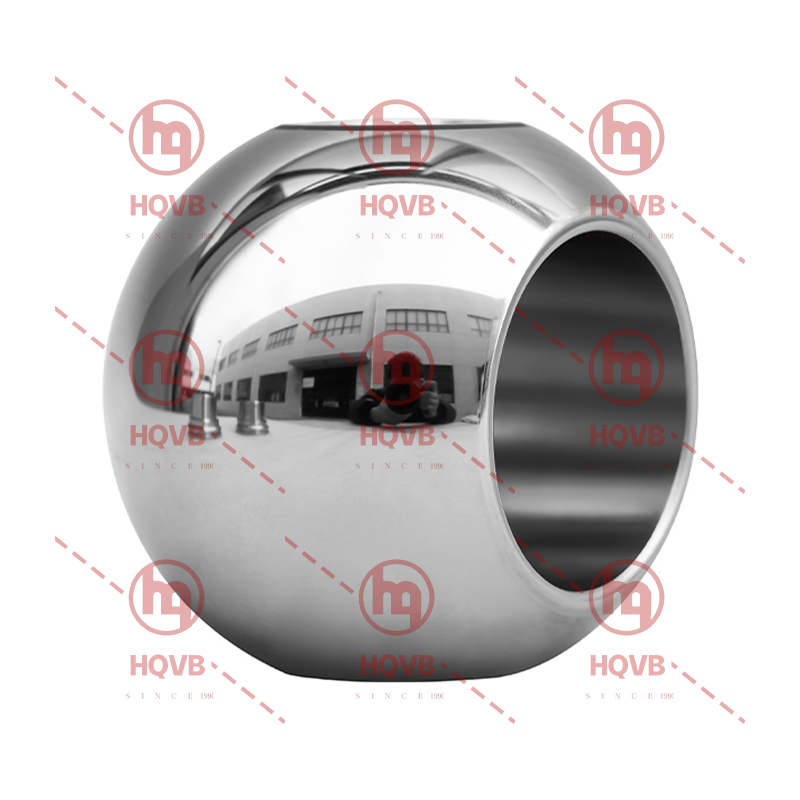
What Should Buyers Know Before Choosing a Ball Valve Fixed Ball for Their Projects
Buyers often focus on the valve itself, but the project around it matters just as much. A valve can look suitable on paper and still cause friction if the installation space is tight or the line layout is not clear. That is why project planning should include more than the part number.
One useful step is to define the operating role of the valve. Is it used for isolation, for controlled switching, or for another line function? Another is to review how often the valve will be used. A valve that sees regular action may need a different approach from one that stays in a fixed position for long periods.
Communication with the manufacturer also helps. Clear project details reduce the risk of mismatch. Buyers should be ready to share the medium, the working environment, the connection needs, and any space limits. With that information, Ball Valve Fixed Ball can be matched more accurately to the job.
A practical project discussion usually covers:
- Where the valve will sit in the line
- How the line is expected to behave
- What kind of operating motion is preferred
- Whether future access for maintenance is easy or tight
The more concrete the project picture, the easier it becomes to avoid unnecessary changes later.
What Causes Ball Valve Fixed Ball Leakage and How Can Common Problems Be Checked
Leakage often begins with small changes that build over time. A seat may wear unevenly. Dirt may remain inside the line. The stem may not move as smoothly as before. Sometimes the issue starts with installation, where alignment or connection fit is not as clean as expected.
Inspection does not have to be complicated. A visual check can reveal surface wear or signs of seepage. A movement check can show whether the valve feels stiff or uneven. A line check can reveal whether the problem appears only under certain operating conditions. These simple checks are useful because they point to the area that needs attention before the issue spreads.
For Ball Valve Fixed Ball, leakage questions usually fall into a few broad groups:
- Sealing surface wear
- Foreign material inside the valve
- Incorrect installation
- Surface damage from use
- Misalignment between parts
The key is to avoid guessing too quickly. A valve that leaks may not have a single cause. It can be the result of several small issues working together. That is why routine checking matters even when the system appears stable.
How Is a Ball Valve Fixed Ball Manufactured and Tested Before Delivery
Manufacturing begins with material preparation and careful shaping of the main parts. The body, ball, stem, and seat areas all need accurate machining so the parts fit together in a controlled way. If one surface is rough or uneven, the internal fit can suffer later.
Assembly is the next stage. At this point, the support points, sealing surfaces, and moving parts need to align correctly. A valve that looks complete from the outside may still need careful internal fitting to perform as expected. That is why factory control matters throughout the process, not only at the end.
Testing before delivery is a separate stage and should not be treated as a formality. It checks how the valve responds under working conditions and whether the sealing behavior is acceptable for shipment. For Ball Valve Fixed Ball, the factory usually wants to confirm that movement is smooth, closure is reliable, and visible issues are not present before the valve leaves the floor.
The manufacturing path can be viewed in simple terms:
- Material selection and preparation
- Part shaping and machining
- Internal fitting and assembly
- Functional checking
- Delivery inspection
When the process is steady, the valve is easier to trust in the field.
What Makes the Design Useful Across Different Industrial Settings
The reason this design keeps appearing in industrial discussion is not because it is flashy. It is because it answers a practical need. Industrial lines need parts that can stay steady, seal clearly, and behave in a way that operators can read without confusion. Ball Valve Fixed Ball fits that need in a direct way.
Its value comes from balance. The internal support helps control load. The structure helps the ball stay aligned. The operating pattern remains easy to understand. Buyers also gain a clearer path when they compare use conditions, material needs, and service expectations before ordering.
That combination makes the design suitable for many pipeline settings where stability matters more than complexity. In project planning, maintenance, and manufacturing review, the same core idea keeps returning: a valve should match the line it serves. When that match is clear, the system tends to be easier to manage and more straightforward to keep in service.

 English
 中文简体
中文简体
 русский
 Español
 عربى
عربى
 italiano