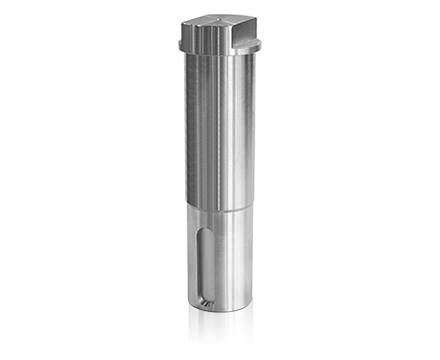
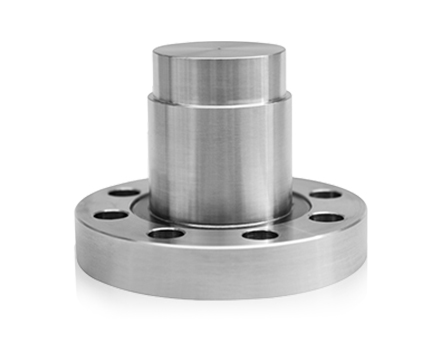
Picking out a valve component isn't really as simple as matching a size against a drawing and calling it done. Out in actual industrial use, the surrounding conditions have a way of changing how a valve behaves over time. The fluid running through it, operating temperature, pressure swings, how often it opens and closes, and the installation environment all end up shaping which sealing component actually makes sense.
The seat sitting inside a ball valve is small, almost easy to overlook, but its contact with the ball does a lot of the heavy lifting when it comes to controlling flow. Picking the right one means matching it to the actual working environment rather than just grabbing whatever fits the general valve category. Material compatibility, seat geometry, surface condition, manufacturing precision, and how the thing gets maintained down the road all play into how well it performs.
For manufacturers and buyers, the real question isn't just "which seat should I buy." It's closer to "how does this component actually need to match my application." Starting with material, then working through design, operating conditions, likely failure causes, manufacturing requirements, and eventual replacement needs tends to make the whole selection process a lot less confusing.
What Is a Ball Valve Seat and Why Does It Matter in Fluid Control Systems
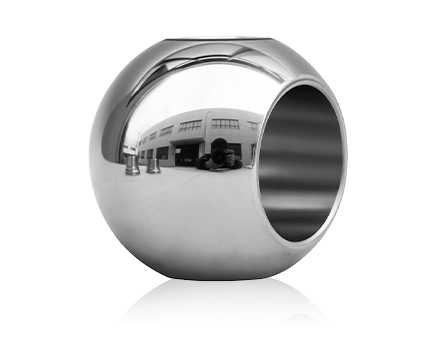
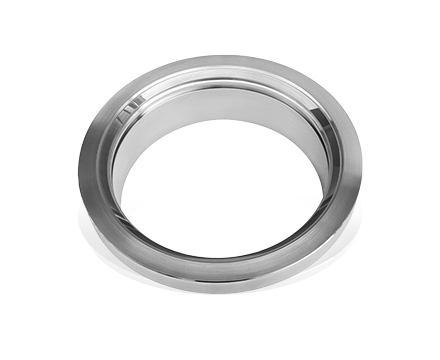
A ball valve seat sits wrapped around the ball inside the valve body. When the valve closes, the seat presses against the ball and forms the sealing area that keeps fluid from slipping through. Once the valve opens, the ball rotates and shifts the flow path open.
Because seat and ball stay in close contact through this whole process, their relationship matters both during normal operation and at shutoff. A seat that's actually suited to the job needs to hold its shape under whatever conditions it'll face while still letting the ball rotate freely. If that contact condition shifts — because of wear, deformation, contamination, or a material that just wasn't right for the job — the valve stops behaving the way it's supposed to.
The application surrounding all this matters just as much. A valve handling clean water faces a very different set of demands than one exposed to aggressive chemicals, high heat, or abrasive particles floating in the line. Because of that, the seat really needs to be thought of as part of the whole valve system rather than some isolated part you swap in without much thought.
A few basic questions are worth asking right at the start:
- What fluid will actually pass through this valve?
- What temperature range will the seat need to handle?
- How often will the valve open and close?
- Is the fluid clean, or does it carry particles?
- Is this for a new valve build or replacement work on an existing one?
These questions give a practical jumping-off point for narrowing down material and design.
How to Choose the Right Ball Valve Seat Material for Different Industrial Applications
Material selection really needs to start with the operating environment, not the other way around. A material that performs well in one setting can behave completely differently once you swap in a different fluid or push it into a different temperature range.
PTFE tends to come up when low friction and chemical resistance matter for the application. It works reasonably well across a range of general industrial fluid-control situations, as long as operating conditions stay within what the material can actually handle. Its behavior also tends to support smooth ball movement, which matters in applications where that's a real priority.
PEEK gets considered when the application calls for something with a different mechanical and thermal profile. It tends to show up in situations where a softer, more conventional material doesn't offer quite the right balance between temperature resistance and dimensional stability.
That said, choosing between these materials shouldn't come down to just picking a familiar name off a list. The actual fluid, temperature, pressure, movement frequency, and how the valve itself is built all need to be looked at together.
| Selection Consideration |
Questions to Ask |
Why It Matters |
| Fluid |
What medium will contact the seat? |
Chemical compatibility can affect material condition |
| Temperature |
What operating conditions will occur? |
Heat can change material behavior |
| Pressure |
What pressure conditions will the valve face? |
Loading can influence deformation and sealing |
| Movement |
How often will the valve operate? |
Repeated movement can contribute to wear |
| Cleanliness |
Can particles enter the valve? |
Contamination can affect the contact surface |
A manufacturer can lean on these application details to narrow down material choices rather than treating every incoming order as just another standard replacement part.
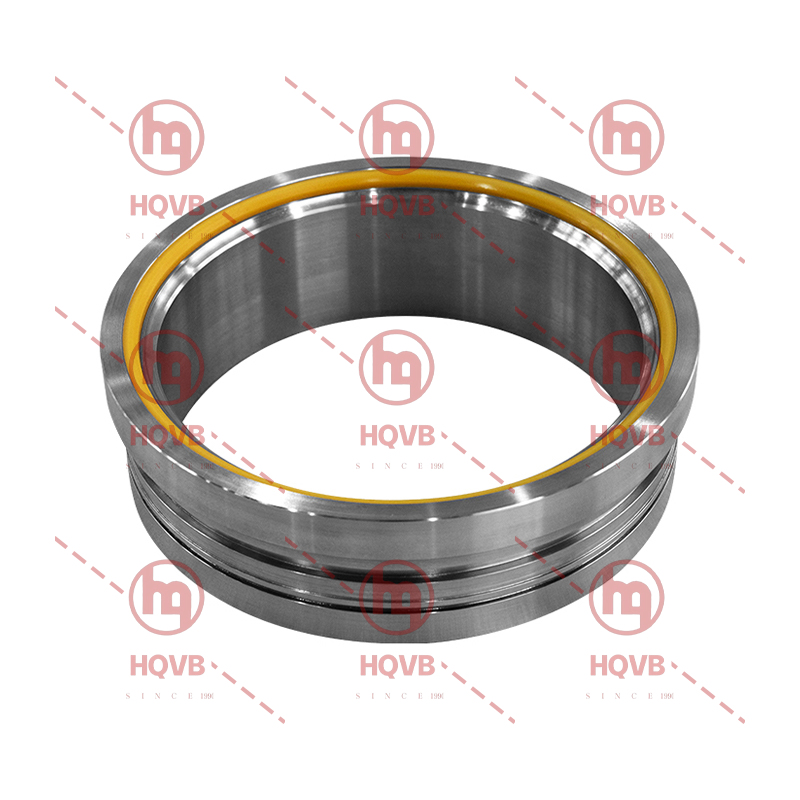
What Are the Differences Between PTFE and PEEK Ball Valve Seats for Industrial Use
PTFE and PEEK come up constantly in these conversations, but they really shouldn't be treated as interchangeable options that you pick based on whichever happens to be in stock.
PTFE is generally recognized for low-friction behavior and solid chemical resistance. That makes it a fit for applications where smooth ball movement and contact with certain fluids matter quite a bit. Its relatively flexible nature also shapes how it responds to contact pressure over time.
PEEK carries a different material profile entirely. It tends to get pulled into consideration when an application places more weight on mechanical stability and holding up under heat. It's often the better fit for working conditions that push harder on the seat material than PTFE is built to handle.
The decision gets a lot clearer once the actual operating conditions are written down plainly, rather than defaulting to whichever material feels more familiar.
| Material Consideration |
PTFE |
PEEK |
| Friction Behavior |
Suitable for applications where low friction is useful |
Can provide a different balance of friction and stability |
| Chemical Environment |
Considered for many chemical-contact applications |
Considered where material compatibility fits the medium |
| Temperature Conditions |
Used within its applicable temperature range |
Considered for applications with greater temperature demands |
| Mechanical Behavior |
Relatively flexible |
More rigid material behavior |
| Selection Approach |
Match with fluid and operating conditions |
Match with temperature, loading, and fluid conditions |
The point worth remembering here is that material choice should follow the application, not the other way around. Comparing PTFE against PEEK only really helps once the actual working environment gets folded into that comparison.
How Does Ball Valve Seat Design Affect Sealing Performance and Valve Operation
Material only covers part of the decision. Geometry and fit shape just as much of how the seat actually interacts with the ball day to day.
The contact area has to line up properly with how the valve itself is constructed. Get that fit wrong, and the contact condition can turn uneven pretty quickly — which affects sealing directly and can also change how much force it takes to actually operate the valve.
Seat design tends to shift depending on the type of ball valve in play. A floating ball arrangement places different demands on surrounding components than a trunnion-mounted setup does. Because of that, the seat really needs to be designed around the specific valve structure rather than treated as some standalone part chosen in isolation.
Manufacturing consistency ties directly into all of this. Even small dimensional differences can throw off how components actually fit together once assembled. For replacement work especially, it's worth checking the original valve design, seat dimensions, ball dimensions, and installation setup carefully before placing any order.
A practical way to work through the design side is to look at three relationships together:
- how the seat contacts the ball
- how the seat fits against the valve body
- how the seat behaves once it's under real operating conditions
Looking at these three together makes it a lot easier to tell whether a particular design actually suits the application it's headed for.
Why Do Ball Valve Seats Leak and How Can Common Sealing Problems Be Reduced
Leakage rarely traces back to just one cause. The condition of the seat itself, the ball surface, how the installation was handled, fluid cleanliness, and the broader operating environment can all play a part.
Surface damage is one common culprit. Hard particles carried along in the fluid can get trapped between ball and seat, and repeated valve movement then leaves marks across that contact area. Once the surface itself changes shape or texture, the original sealing condition tends to shift right along with it.
Material breakdown is another factor worth considering. Exposure to a fluid or temperature the seat wasn't really built for can alter its physical condition over time, sometimes leading to deformation once conditions push past what the material was ever meant to handle.
Installation matters too. Incorrect positioning, contamination introduced during assembly, or accidental damage while fitting components together can all throw off how well parts actually seal against each other.
When trying to figure out why a valve is leaking, it helps to start with the simplest possible causes and work outward toward the broader system. Check the seat and ball surfaces first, then look at the operating environment, and finally consider whether the material and design chosen actually match the real service conditions the valve is facing.
That approach tends to be a lot more useful than just swapping in a new part without ever figuring out why the original seal broke down in the first place.
What Should Engineers Know About Ball Valve Seat Wear Causes and Maintenance Tips
Wear connects pretty directly to how a valve gets used. A component cycling frequently builds up a very different contact history than one that sits fixed in position for long stretches at a time.
Fluid cleanliness deserves real attention here too. Small particles slipping into the contact area can leave surface marks that add up over time. In applications where contamination is a genuine risk, keeping the surrounding system clean helps cut down on unnecessary wear from debris.
Temperature swings matter as well. Repeated shifts in operating conditions can affect the dimensions and general physical behavior of sealing materials, which is really part of why material choice needs to account for actual service conditions rather than ideal ones.
During routine maintenance, a visual check goes a long way. Look for scratches, deformation, uneven contact patterns, discoloration, or any sign the seat no longer sits properly. The ball itself needs checking too — replacing just the seat won't fix anything if the mating surface on the ball is already damaged.
Maintenance decisions really should come from the actual condition of the components and some understanding of what caused the change in the first place. If a replacement does turn out to be necessary, comparing the new part against original dimensions and material requirements helps avoid accidentally introducing a fresh problem during reassembly.
How Are Ball Valve Seats Manufactured to Meet Different Application Requirements
Manufacturing kicks off with material selection and moves through forming or machining, dimensional control, surface preparation, inspection, and final prep before assembly.
The shape produced needs to line up with the valve's design throughout. Internal and external dimensions, contact surfaces, and mounting areas all need to stay within the intended design range. For custom orders, a manufacturer's drawing or physical sample provides a lot of the groundwork information needed before production even starts.
Surface condition deserves careful attention too. The area making contact with the ball has to be prepared with real care, since even minor surface irregularities can throw off contact quality and sealing performance.
Inspection doesn't stop at checking how the finished piece looks, either. Dimensional consistency, material identification, surface condition, and overall fit can all matter depending on what the application actually demands.
For manufacturers, clear communication between design, production, and inspection teams really matters here. A well-prepared drawing, clear material requirements, an honest application description, and a sample piece all make it a lot easier to nail down the right production requirements before manufacturing gets underway.
Which Factors Should Buyers Consider When Ordering Custom Ball Valve Seats
Custom orders go a lot more smoothly when the buyer shows up with practical information rather than just a product name and a hopeful expression.
The valve model or drawing establishes the basic dimensions to work from. Knowing the intended fluid and operating environment helps narrow down material compatibility. Details around temperature, pressure, how often the valve operates, and installation conditions further narrow things toward the right options.
For replacement components specifically, the original part deserves a careful side-by-side comparison against whatever's being proposed as a replacement. Two components can look nearly identical and still differ enough in dimensions or contact geometry to cause installation headaches.
Before reaching out to a manufacturer, it's worth having this information ready:
- Valve type and any available drawing
- Existing seat dimensions
- Seat material, or the required material characteristics
- Ball material and its current contact condition
- Fluid being handled
- Operating temperature range
- Pressure conditions
- Installation requirements
- Intended quantity and reason for replacement
The clearer these details come across, the easier it is for a manufacturer to judge whether the proposed component actually fits the application at hand.
For custom production specifically, communication shouldn't stop once a quote gets sent over. Drawings, material requirements, samples, inspection expectations, and packaging details are all worth confirming before production begins. That ongoing back-and-forth is really what creates a clear, direct link between what the buyer actually needs and what the manufacturer ends up producing.

 English
 中文简体
中文简体
 русский
 Español
 عربى
عربى
 italiano