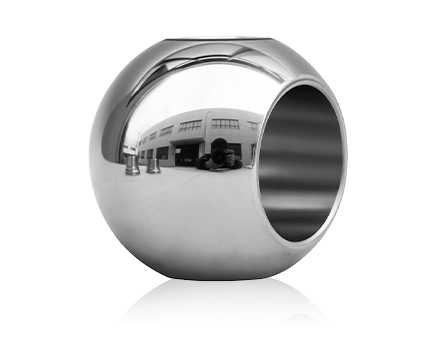
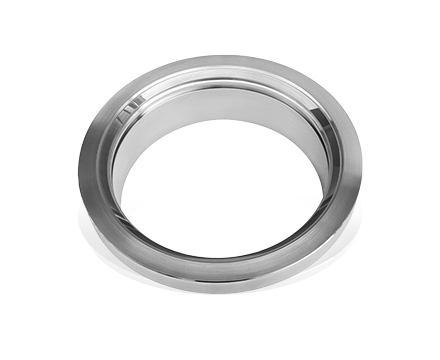
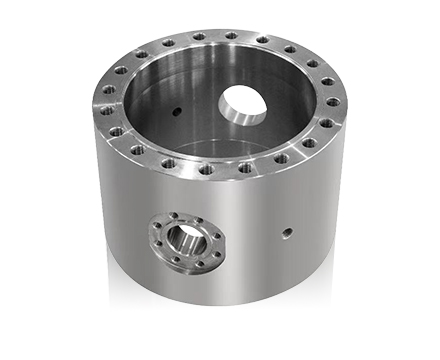
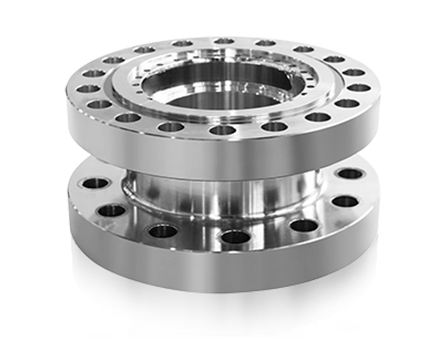
Valve sealing can change for many reasons, and the ball itself is only one part of the picture. The way the spherical surface meets the seat, the finish left after machining, the surface treatment, and the material passing through the valve can all affect what happens during service.
A hard sealing arrangement is often used where the contact surfaces need to cope with repeated movement and surface wear. That does not mean the ball can be considered separately from the rest of the valve. Its shape has to match the seat, the finished surface needs to suit the contact conditions, and the selected surface treatment has to make sense for the working environment.
Small changes can matter. A worn seat may alter the contact pattern. Particles in the medium may scratch a sealing surface. A surface that looks acceptable during a visual check may still have a dimensional issue that becomes apparent after assembly. Looking at these details in sequence makes it easier to see why reliable sealing depends on several connected conditions.
How Does the Hard Seal Ball and Seat Create a Tight Seal
When the valve moves toward the closed position, the ball turns until its opening no longer lines up with the flow passage. At the same time, part of its spherical surface comes into contact with the seat. That contact forms the barrier that restricts the movement of the medium through the closed valve.
The contact is not simply a matter of two pieces touching. Their shapes need to correspond closely enough for the sealing area to remain consistent as the ball rotates. If contact is concentrated in one area, that section may experience greater friction and wear during operation.
The condition of the seat matters just as much. A ball with a suitable surface can still perform poorly if the mating seat has damage, uneven wear, or an unsuitable shape. For that reason, examining only one side of the sealing pair can give an incomplete picture.
Repeated opening and closing adds another factor. The spherical surface slides against the seat rather than remaining stationary. Over time, that movement can change the surface condition, particularly when particles or other contaminants reach the contact area.
Several elements work together at the sealing point:
- The ball provides the curved contact surface.
- The seat provides the matching surface.
- Their dimensions determine the contact pattern.
- Surface condition affects friction and wear.
- The operating medium can change how quickly the surfaces deteriorate.
Once this relationship is clear, the importance of ball geometry and surface finish becomes easier to see.
How Does Ball Roundness Affect Hard Seal Ball Sealing
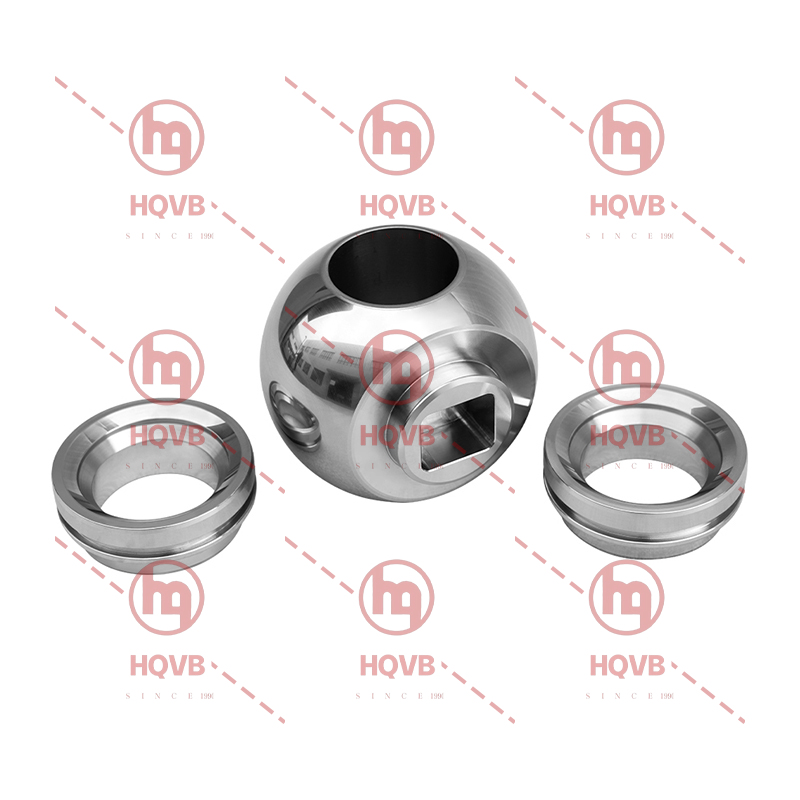
A ball needs to retain a consistent spherical form so that its contact with the seat does not shift unnecessarily as it rotates. Roundness is therefore more than a manufacturing specification. It has a direct connection with how the sealing surfaces meet.
Imagine a ball with a slight variation in its spherical form. As it turns, the point or area carrying contact can change. One part of the surface may press more heavily against the seat while another part makes less contact. The result may be uneven wear rather than a uniform change across the sealing surface.
The effect is not necessarily immediate. A small variation may have little practical effect in one valve arrangement but become more noticeable when combined with a closely fitted seat, repeated cycling, or abrasive service.
Manufacturing processes therefore need to control the spherical shape before the component reaches assembly. Finishing operations can remove surface irregularities, but they also need to preserve the intended geometry. Removing material unevenly can create another problem instead of correcting the original one.
| Ball condition |
Possible change in contact |
| Consistent spherical form |
Contact tends to remain more even during rotation |
| Local shape variation |
Contact may concentrate in certain areas |
| Surface distortion |
Rotation can alter the contact pattern |
| Damaged spherical surface |
Sealing and wear conditions may change |
Roundness should also be considered alongside the seat. Matching two components requires more than checking the ball in isolation.
Why Does Surface Roughness Matter for a Hard Seal Ball
The overall shape may look correct while the actual surface still has small irregularities. These fine variations can influence the way two surfaces slide against each other.
A rough surface can increase resistance at the contact area and create points where wear begins. During repeated movement, those points may gradually change. If particles are present in the medium, they can make the situation more complicated by entering the contact area and interacting with the surface.
A very smooth appearance, however, is not the only consideration. The finished surface needs to be appropriate for the seat and the intended service conditions. Grinding and other finishing operations are used to bring the surface into a controlled condition while retaining the required spherical form.
Surface roughness can also change after the valve enters service. Scratches, particle impact, friction, and repeated movement can gradually alter the original finish. Once that happens, the contact between the ball and seat may no longer resemble the condition present during assembly.
This is why surface finish and roundness should not be treated as the same issue. Roundness concerns the overall spherical shape. Surface roughness concerns the condition of that surface. A component can have a suitable shape but still require attention to its finished surface.
How Does Coating Thickness Affect Hard Seal Ball Wear
Some valve applications call for a hardened surface rather than relying only on the base material. A surface coating can change how the component responds to repeated contact, friction, and abrasive conditions.
The coating itself needs to be controlled during production. Its application changes the outer dimensions of the component, so the coating process has to be considered together with later grinding or finishing. If the finished size is not properly controlled, the relationship with the seat can change.
Coating condition matters as well. Uneven coverage, surface defects, or poor bonding can leave weak areas on the working surface. Those areas may respond differently once the valve begins operating.
The relationship between treatment and machining is particularly relevant. A coated ball may require further finishing to reach the required spherical form and surface condition. The final result depends on how these processes are coordinated rather than on the coating alone.
| Surface treatment factor |
Relevance during use |
| Coating consistency |
Helps keep the working surface uniform |
| Finished thickness |
Affects the final dimensions |
| Surface adhesion |
Influences how the treated layer responds to contact |
| Finishing quality |
Affects the contact with the seat |
| Surface damage |
Can create localized wear |
For that reason, coating should be viewed as one stage within the manufacturing process, not as an isolated feature.
How Does Abrasive Media Change Hard Seal Ball Wear
The material flowing through the valve can have a noticeable effect on the sealing surfaces. Clean liquids and liquids carrying solid particles do not create the same contact conditions.
Abrasive particles can pass through the valve and reach the area where the ball and seat meet. During movement, those particles may scratch or wear the surfaces. The effect can become more apparent when the valve is opened and closed repeatedly.
The nature of the medium also matters. Some particles are harder or more abrasive than others, while their concentration and movement through the valve can vary. Flow conditions can determine how easily particles reach the sealing area.
Once a small mark develops, further wear may not remain limited to that spot. The damaged area can affect the way the ball meets the seat, which may then change the contact conditions elsewhere.
This is one reason the working medium needs to be considered when selecting materials and surface treatment. A component intended for relatively clean service may not behave in the same way when placed in an abrasive environment.
Why Can a Hard Seal Ball Develop Uneven Surface Wear
Wear patterns often provide clues about what has happened inside a valve. A surface that wears evenly suggests a different operating condition from one that develops marks, grooves, or localized damage.
Uneven wear can result from several factors acting together. The ball and seat may not be contacting evenly. Particles may repeatedly pass through one section of the sealing area. A surface defect may become more pronounced as the valve cycles.
The seat itself should not be overlooked. If its condition changes, the contact pattern on the ball can change with it. This is why replacing a worn component without examining the mating surface may leave the underlying cause unresolved.
Common areas to check include:
- The location of the worn area
- The direction of visible scratches or marks
- Changes in the mating seat
- Signs of particle-related surface damage
- Changes in valve operating resistance
- The condition of any surface treatment
The appearance of wear can therefore be useful during maintenance. A localized mark may point toward a different issue than wear spread across the working surface. Looking at the pattern rather than only the presence of damage can help narrow down what happened during service.
How Is Hard Seal Ball Quality Checked Before Assembly
Inspection before assembly provides an opportunity to identify problems before the component becomes part of the complete valve. The process normally begins with the general condition of the surface and then moves toward dimensional and finishing details.
The spherical form needs attention because the component has to correspond with its mating seat. Surface inspection can reveal scratches, dents, uneven finishing, or defects in a treated layer. These conditions may not be acceptable for the intended sealing arrangement.
Dimensional checks are also relevant. A ball may look correct and still have a dimensional difference that affects the fit with the valve seat. Checking the component against the required specifications helps reduce the chance of discovering such an issue only after assembly.
Where a surface treatment is used, its condition needs to be examined as part of the same process. A coating that is damaged or uneven may require additional processing before the component moves forward.
A practical inspection sequence can include:
- Checking the general surface condition.
- Confirming the required dimensions.
- Checking the spherical form.
- Examining the finished surface.
- Inspecting the treated surface where applicable.
- Confirming compatibility with the mating seat.
These checks are closely connected with actual valve behavior. Geometry, surface finish, and treatment condition are not only manufacturing concerns; they also influence how the assembled sealing pair behaves.
Which Hard Seal Ball Details Matter When Choosing a Replacement
Replacement selection should begin with the valve configuration and operating conditions. Choosing a ball based only on its general appearance or nominal size can overlook the relationship between the ball and the existing seat.
The ball needs to match the mating components in terms of dimensions and surface characteristics. If the seat has already developed wear, the condition of that seat should be assessed before a replacement is installed. A new component cannot necessarily compensate for a damaged mating surface.
The operating medium also deserves attention. Abrasive particles, corrosive conditions, and repeated movement can place different demands on the sealing surfaces. Surface treatment and material selection should therefore correspond with the environment in which the valve will operate.
It can be useful to review the replacement against a simple set of questions:
| Selection point |
What to check |
| Dimensions |
Whether the component corresponds with the valve arrangement |
| Seat compatibility |
Whether the mating surface is in suitable condition |
| Surface condition |
Whether the working surface is free from relevant damage |
| Surface treatment |
Whether it suits the intended operating environment |
| Medium |
Whether the material is appropriate for the service |
| Operating conditions |
Whether movement and contact conditions are compatible |
The same factors that influence sealing during operation also influence replacement decisions. Ball geometry, surface finish, treatment, seat condition, and the surrounding medium are connected rather than independent choices. Considering them together gives a clearer basis for maintaining the intended sealing relationship within the valve.

 English
 中文简体
中文简体
 русский
 Español
 عربى
عربى
 italiano