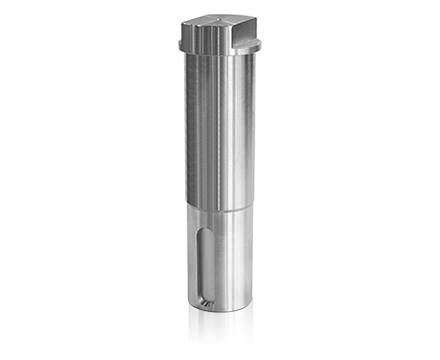
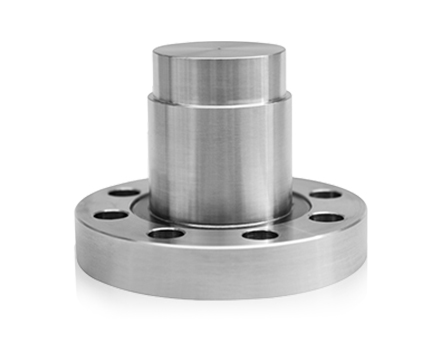
A ball valve rarely works as an isolated component in a real piping installation. A handle may be needed for manual operation, an extension can make a recessed valve easier to reach, and an adapter may be required when an actuator is added. These supporting components have different connection requirements, so a part that looks suitable may not actually fit the valve in use.
Compatibility often comes down to details that are easy to overlook. The shape of the valve stem, the available mounting space, the position of connection points, and the surrounding installation can all influence the final fit. A replacement component may have the right general purpose but still require a different connection arrangement.
For maintenance teams, installers, and equipment users, the issue is less about adding more components and more about making sure the components work together. Ball Valve Accessories need to correspond with the valve configuration and the conditions around it. Looking at these relationships can help explain why some replacement work is straightforward while other installations require additional adjustments.
How Does Valve Stem Size Affect Accessory Compatibility
The stem is the part that transfers movement from the external operating component to the valve mechanism. That makes its dimensions important whenever a handle, extension, adapter, or similar component is fitted.
A connection that is slightly loose can allow unwanted movement during operation. A connection that is too tight may require force during assembly or place unnecessary stress on the parts. Neither situation provides a dependable fit.
The stem should therefore be checked for more than its general size. Its shape and connection profile also matter. Some arrangements use a particular stem form to keep the operating component from rotating independently of the valve.
Stem length can create another issue. A valve installed beneath a cover or behind insulation may have less usable stem exposure than expected. Even if the accessory corresponds with the stem dimensions, there may not be enough room for proper attachment.
When checking the connection, several details are worth comparing:
- Overall stem dimensions
- Stem shape and connection profile
- Exposed stem length
- Available clearance around the connection
- Method used to secure the operating component
Repeated operation makes a secure connection particularly important. The stem and attached component move together every time the valve is operated, so a small amount of looseness can become more noticeable over time.
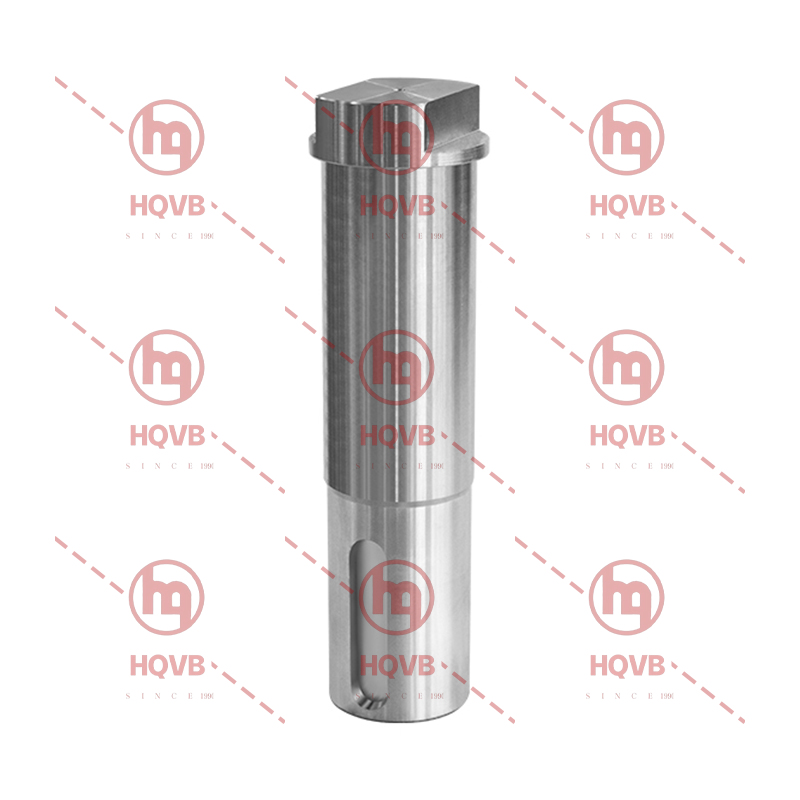
Which Ball Valve Accessories Match Different Valve Sizes
Valve size influences more than the diameter of the valve itself. Physical dimensions, stem proportions, mounting arrangements, and the space required for operation can change with the valve configuration.
A component suitable for a compact installation may not be practical on a larger valve, even when both use a similar operating principle. The opposite can also happen: a larger accessory may physically fit but leave insufficient clearance in a confined installation.
A useful way to look at the relationship is to separate the valve into several areas.
| Area to check |
Connection with accessory fit |
| Valve body |
Influences available installation space |
| Stem |
Determines how an operating component connects |
| Mounting area |
Affects support and alignment |
| Operating clearance |
Determines whether the component can move freely |
Replacement work is where these differences often become noticeable. An installer may be working with an existing valve rather than a complete new assembly. In that situation, the external component has to match what is already installed.
Valve size alone cannot answer that question. The complete physical arrangement needs to be considered. A handle, bracket, adapter, or extension should correspond with the actual valve rather than being selected only by general application.
How Do Mounting Patterns Affect Accessory Fit
A secure connection sometimes depends on more than the valve stem. Mounting points provide support for components attached around the valve, particularly where an actuator or other operating equipment is involved.
Even a small positioning difference can affect alignment. If the mounting component does not sit correctly, the connected parts may not remain on the same operating axis. The valve may still be usable, but turning or actuation can become less consistent.
The available space around the valve also deserves attention. Pipes, insulation, nearby equipment, and enclosure walls can restrict where an accessory can be positioned. A mounting arrangement that appears suitable on an open workbench may be difficult to reproduce once the valve is installed in a crowded area.
For that reason, installers usually need to consider the mounting interface together with the surrounding layout. The question is not only whether the holes or connection points correspond. The installed component also needs enough room to remain secure and allow normal valve movement.
This becomes particularly relevant when an existing manual valve is modified. Adding a new component changes the physical arrangement around the valve, so the original clearance should not automatically be assumed to remain adequate.
How Can Actuator Adapters Be Matched to Ball Valves
Adding an actuator changes the way a valve is operated. Instead of turning the valve directly by hand, movement is transferred through an actuator and the connection between the actuator and valve stem.
An adapter can serve as the link between those two parts. Its role sounds simple, but the connection has to suit both sides. A valve stem may have one connection profile while the actuator uses another mounting arrangement.
The supporting structure matters as well. The actuator needs to remain positioned correctly in relation to the stem. If the connection is offset, movement may not transfer smoothly.
Before fitting an actuator adapter, it is useful to check:
- Whether the valve stem matches the adapter connection
- Whether the mounting arrangement corresponds with the actuator
- Whether the connected parts remain aligned
- Whether surrounding equipment leaves enough operating space
Different actuator arrangements can also require different supporting components. The appropriate configuration depends on the valve and actuator being connected, rather than on the adapter alone.
This is one area where Ball Valve Accessories become part of a larger mechanical assembly. Their purpose is not merely to add functionality. They also provide the connection between components that need to operate together.
What Causes Ball Valve Accessories to Fit Incorrectly
A poor fit can usually be traced to a mismatch somewhere in the connection, although the cause is not always obvious at the beginning.
Dimensions are one possibility. A component may be close to the expected size but still fail to engage properly. The connection method is another. Two parts can have similar dimensions while using different ways of securing themselves.
Alignment is a separate concern. If the accessory is positioned at an angle or does not sit firmly against its mounting surface, operation can become uneven. In a manual setup, this may be noticed as unusual resistance when turning the handle. With an actuator, the problem may appear as movement that does not transfer cleanly.
Installation conditions can make the situation harder to diagnose. A valve surrounded by other equipment may leave little room for correcting a poorly positioned component.
When investigating an incorrect fit, it helps to divide the problem into three questions:
- Do the dimensions correspond?
- Does the connection method correspond?
- Is the component positioned correctly after installation?
Looking at these separately can prevent unnecessary changes to the valve itself when the actual problem lies with the attached component.
When Is a Ball Valve Stem Extension Necessary
A valve can be correctly installed and still be difficult to operate. Recessed locations, insulation, protective covers, and limited access can place the operating point farther away from the person or equipment controlling the valve.
A stem extension can address this type of layout problem by bringing the operating connection to a more accessible position. It is not simply a longer version of the original stem. The extension needs to maintain a secure connection while providing enough reach for the installation.
Insulated piping is one example. Insulation can surround the valve and make direct access difficult. An extension can provide a connection outside the insulated area without requiring the valve itself to be relocated.
Restricted spaces create a similar situation. A valve may be positioned behind other equipment where a standard handle cannot be operated comfortably. Moving the operating point outward can provide more usable access.
The surrounding layout still matters after an extension is installed. There needs to be enough room for the handle or connected operating component to move. Adding length alone does not solve every access problem.
Can Ball Valve Accessories Fit Valves From Different Manufacturers
Interchangeability is a common concern when a valve remains in service but an external component needs replacement. Using a component from another source may be possible, but appearance and general function are not enough to establish compatibility.
The physical interface is what matters. Stem dimensions, connection profiles, mounting positions, and securing methods can differ between valve configurations.
A replacement should therefore be checked against the actual valve rather than selected solely by the valve's general description.
| Compatibility point |
What needs attention |
| Stem connection |
Shape, dimensions, and engagement |
| Mounting area |
Position and available support |
| Securing method |
How the component remains attached |
| Installation space |
Clearance for operation |
Older installations can make this issue more noticeable. A valve may remain functional while one external component becomes worn or damaged. Replacing that component with a visually similar part may not produce the same fit.
Cross-source compatibility is therefore better treated as a physical matching question. If the interfaces correspond and the surrounding installation provides adequate clearance, the replacement may be suitable. If they do not, modification or another component may be necessary.
How Can Accessory Fit Be Checked Before Installation
Checking compatibility before assembly is generally easier than correcting a poor fit afterward. The process starts with the valve already in place and works outward from the actual connection points.
The stem should be examined first. Its dimensions, shape, exposed length, and connection method provide the basis for evaluating a handle, extension, or adapter. The mounting area can then be checked to see whether the accessory can be positioned securely.
Clearance should not be left until the end. Nearby pipes, insulation, walls, covers, and other equipment can affect whether the installed component has enough room to operate.
A practical check can include:
- Comparing the valve stem with the accessory connection
- Checking mounting positions before fastening
- Looking for possible interference around the operating area
- Confirming that the connected parts remain aligned
- Considering insulation, covers, and surrounding equipment
- Checking the complete assembly rather than one component alone
The same approach is useful when a manual valve is being adapted for actuator operation. The valve, adapter, mounting component, and actuator need to be considered as one connected arrangement.
Compatibility is rarely determined by one dimension alone. A suitable fit depends on the relationship between the valve and the component attached to it, along with the space and conditions surrounding the installation. Paying attention to those relationships before assembly can make replacement and modification work easier to manage.

 English
 中文简体
中文简体
 русский
 Español
 عربى
عربى
 italiano