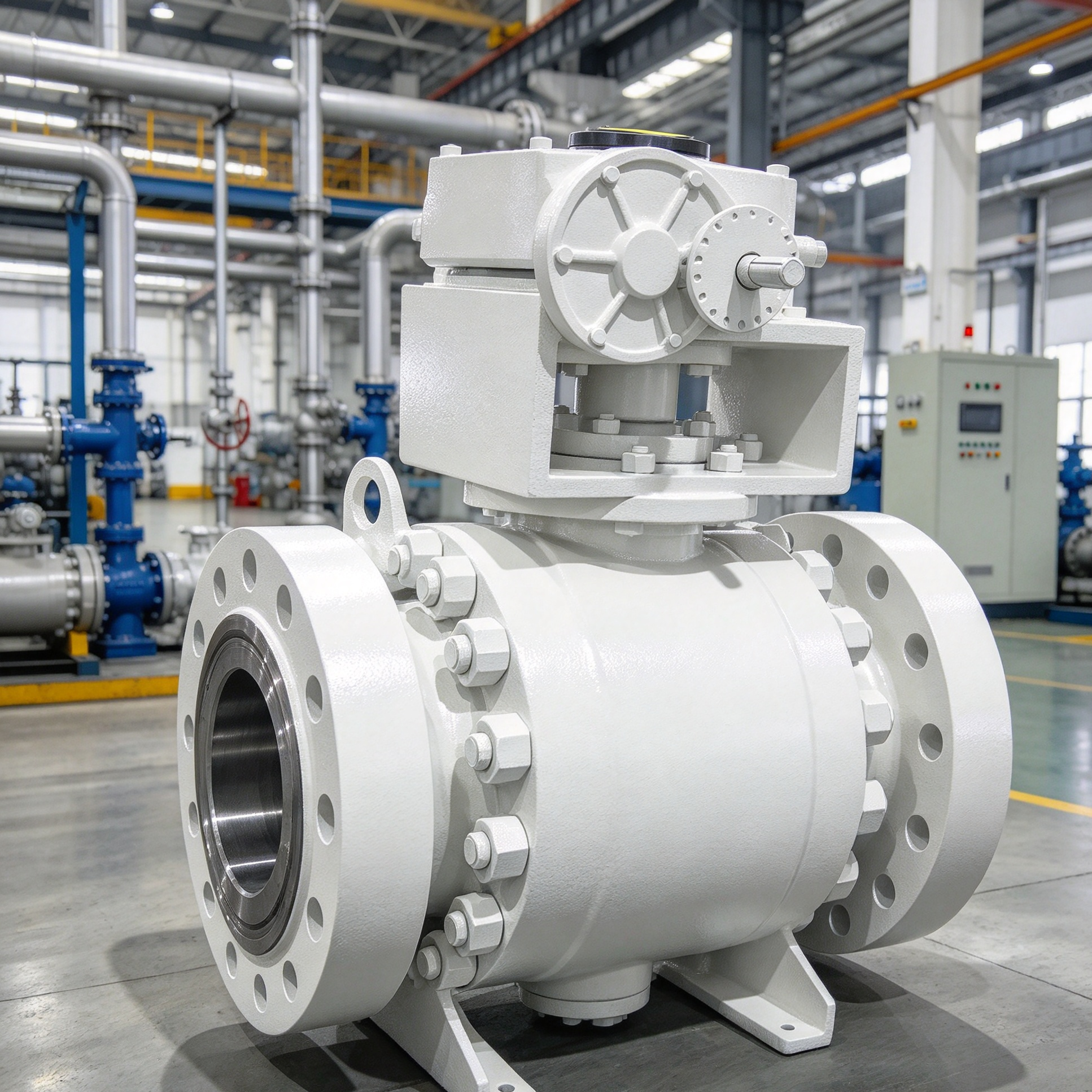
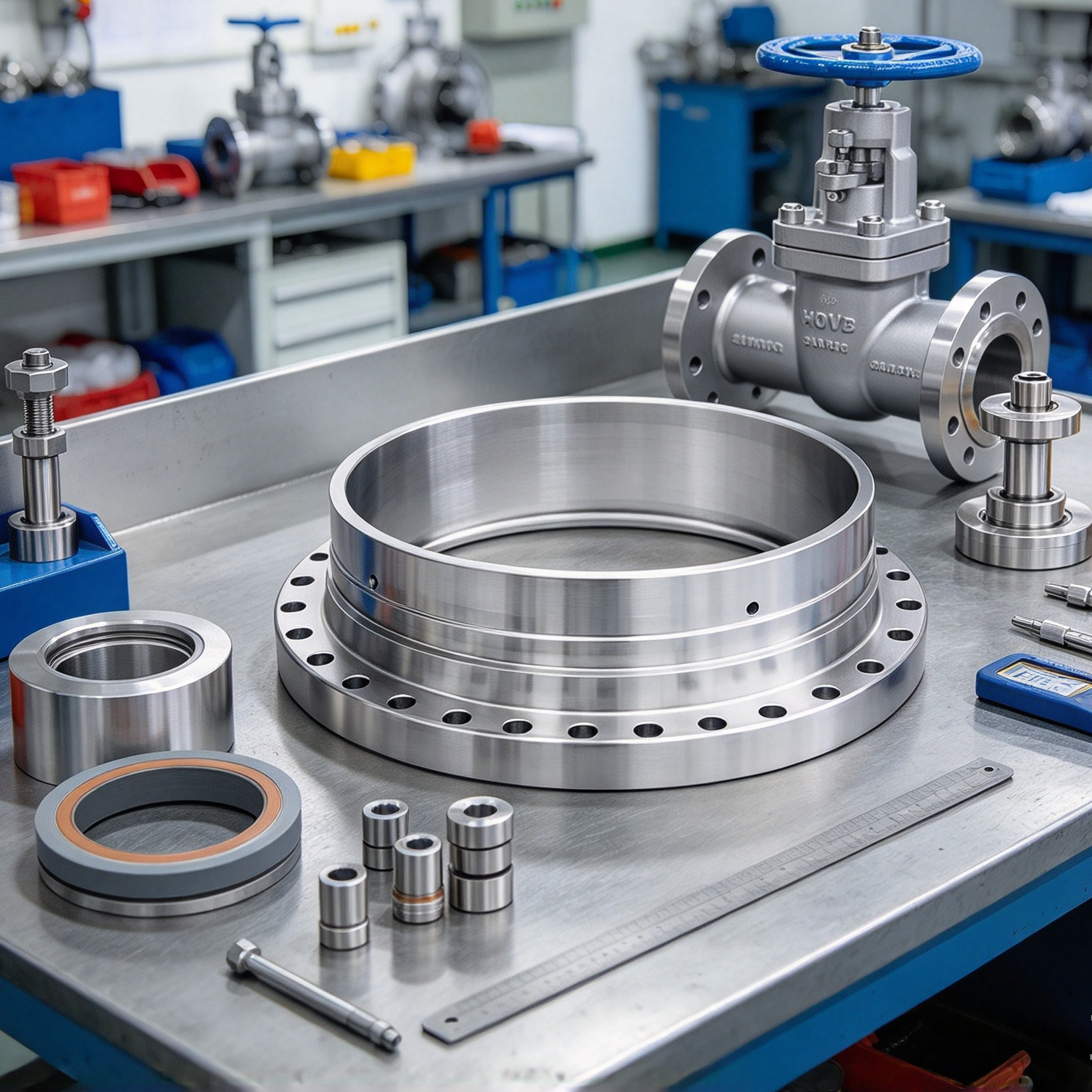
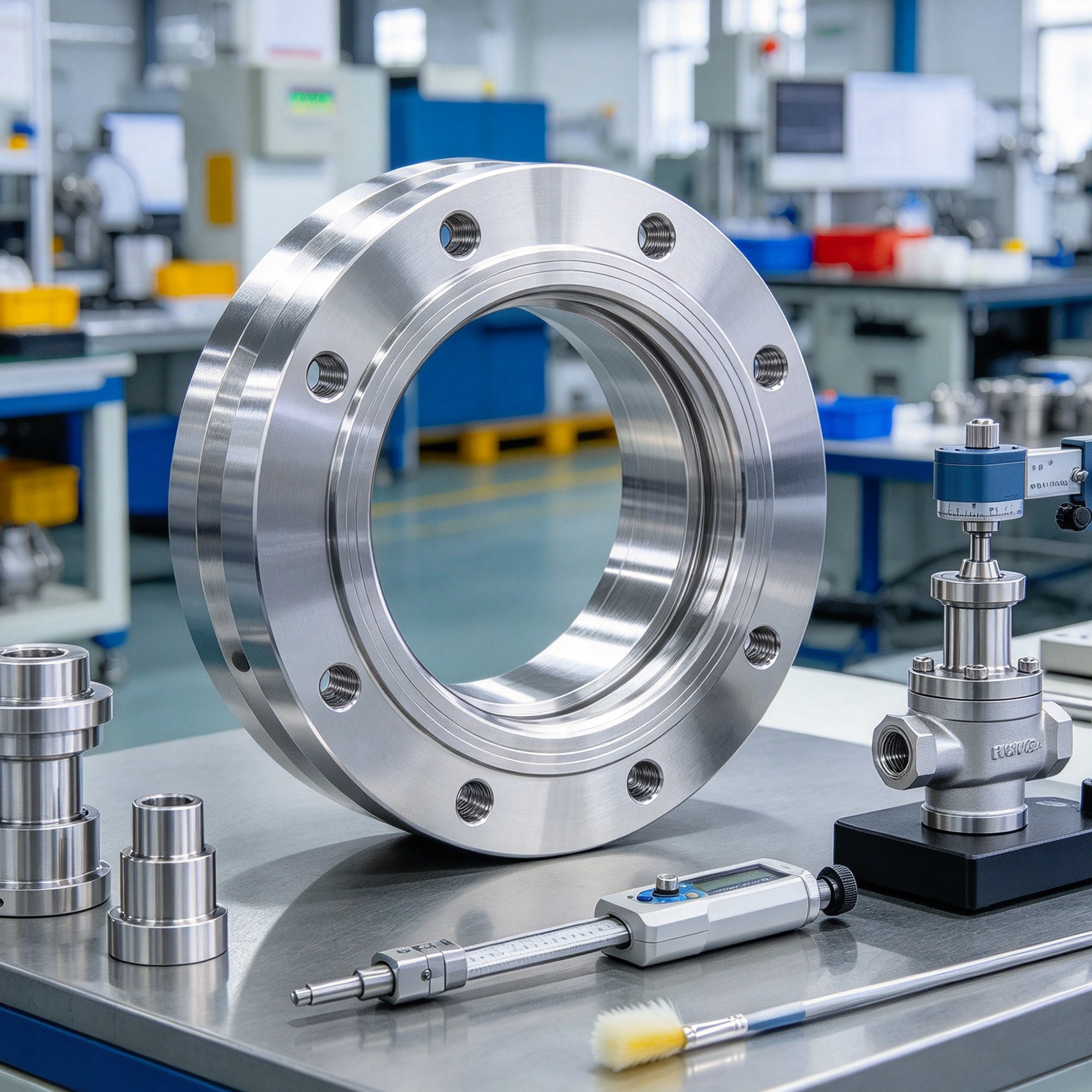
Three-way ball valves are essential components in fluid control systems, enabling the diversion or mixing of flow between multiple pipelines. The ball within these valves plays a pivotal role in regulating flow paths and ensuring system efficiency. Understanding the materials and specifications of the ball is crucial for selecting the appropriate valve for specific applications.
Materials of Construction
The ball in a three-way ball valve is typically crafted from materials that offer durability, corrosion resistance, and compatibility with the conveyed media. Common materials include:
- Stainless Steel (SS316/SS304): Renowned for its good corrosion resistance and strength, stainless steel is a priority choice for various industrial applications.
- Carbon Steel (WCB): Carbon steel provides a cost-effective solution with good strength properties, suitable for applications where corrosion resistance is less critical.
- Duplex Stainless Steel: Offering enhanced strength and resistance to stress corrosion cracking, duplex stainless steel is ideal for demanding environments.
- Hastelloy and Inconel: These high-performance alloys are selected for special temperature and corrosive conditions, ensuring longevity and reliability.
Specifications
The specifications of a three-way ball valve ball are determined by factors such as size, pressure rating, temperature tolerance, and flow configuration. Key specifications include:
- Size Range: Typically available from 1/2" to 10" (DN15 to DN250), accommodating various pipeline dimensions.
- Pressure Rating: Common pressure classes include 150#, 300#, PN10, and PN16, ensuring suitability for different operational pressures.
- Temperature Rating: Designed to operate within a temperature range of -28°C to 150°C, with options for higher temperatures depending on the material and design.
- Flow Configuration: Available in L-port and T-port designs, each serving specific flow diversion or mixing requirements.
- End Connections: Options include flanged ends (ANSI/DIN), threaded ends, and socket welds, providing flexibility for various installation scenarios.
- Seat Materials: Seats are often made from PTFE or RPTFE, offering good sealing properties and chemical resistance.
Design and Functionality
The design of the three-way ball valve ball is optimized for efficient fluid control. It features a spherical shape with one or more ports drilled through it. These ports align with the valve's inlet and outlet ports to control the flow direction. The ball's rotation is typically controlled by a stem connected to an actuator or manual handle, allowing precise control of the valve's position.
In a three-way configuration, the ball valve can direct fluid flow between three different ports. This versatility makes it ideal for applications requiring flow diversion or mixing. The ball's design also includes features such as a hollow core or solid construction, depending on the specific requirements of the valve. Hollow-core balls are lighter and easier to rotate, while solid balls offer greater strength and durability.
Three-way ball valve ball is a vital component in fluid control systems, offering reliable performance, versatility, and durability. Its material selection and conventional parameters make it suitable for a wide range of applications, while its design ensures efficient fluid control. With proper maintenance, the three-way ball valve ball can provide long-lasting service in various industrial environments.

 English
 中文简体
 русский
 Español
 عربى
 italiano